
More than just a nexus of global trade where steel containers meet the sea, India’s Deendayal Port at Kandla is now charting a course through the uncharted waters of sustainable industrialization and digital transformation. This major maritime gateway is undergoing a profound metamorphosis, evolving from a traditional logistics handler into a pioneering model for the ports of tomorrow. Its journey offers critical insights into how industrial hubs can simultaneously pursue environmental stewardship and operational excellence, providing a potential roadmap for similar facilities worldwide.
Beyond Cargo and Cranes How One of India’s Busiest Ports is Trading Tradition for Transformation
For decades, the success of a port was measured in tonnage and turnover. At Kandla, however, a new paradigm is taking shape. The Deendayal Port Authority is spearheading a deliberate pivot from a purely transactional role to a strategic one, recognizing that long-term viability depends on more than just efficient cargo movement. This transformation is rooted in a forward-thinking vision that integrates green energy production and comprehensive digital infrastructure directly into its core operations.
This shift is not merely an upgrade but a fundamental redefinition of the port’s purpose. By investing in next-generation technologies and sustainable practices, Kandla is positioning itself as an engine for regional economic growth, a catalyst for decarbonization, and a leader in supply chain innovation. The port’s initiatives demonstrate a commitment to building a resilient and competitive ecosystem prepared for the challenges of the twenty-first century.
The Imperative for Change Why Global Maritime Hubs Must Evolve
The global maritime industry stands at a critical juncture, facing immense pressure to decarbonize operations and enhance efficiency. Antiquated, paper-based processes create bottlenecks that ripple through international supply chains, while the sector’s significant carbon footprint draws increasing scrutiny from regulators and consumers alike. Ports that fail to adapt risk becoming obsolete, bypassed by shipping lines in favor of more modern, sustainable, and digitally integrated hubs.
Consequently, the mandate for change is clear: innovate or be left behind. Survival in this new landscape requires a dual focus on environmental responsibility and technological advancement. Ports must become proactive agents of change, embracing clean energy alternatives like green hydrogen and implementing digital platforms that offer end-to-end visibility. This evolution is essential not only for environmental compliance but for maintaining a competitive edge in a rapidly changing global market.
Kandla’s Two-Pronged Strategy Greening the Fuel and Digitizing the Flow
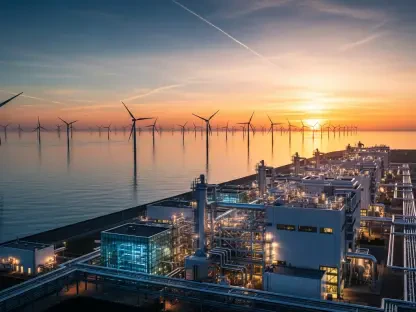
At the heart of Kandla’s modernization is a dual-pronged approach targeting energy and operations. A landmark Memorandum of Understanding with Green-Kutch NextGen Pvt. Ltd. lays the groundwork for a community-focused green hydrogen ecosystem. The initiative centers on the development of the “Kutch Green Hydrogen Park,” a facility with plug-and-play infrastructure designed to empower Micro, Small, and Medium Enterprises (MSMEs) to enter the green energy sector. This model directly supports India’s National Green Hydrogen Mission and its long-term Net Zero ambitions.
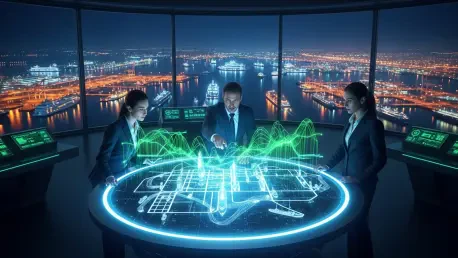
Concurrently, the port has fortified its digital backbone by fully implementing an Enterprise Business System (EBS) in partnership with Tech Mahindra. This comprehensive digital overhaul streamlines every facet of port management, from cargo handling to financial transactions. The system is engineered to reduce operational costs, enhance supply chain transparency for all stakeholders, and significantly improve the ease of doing business, making the port a more attractive partner for global trade.
Forging Strategic Alliances The Partnerships Powering Progress
The ambitious transformation at Kandla Port is not a solitary effort but one powered by strategic public-private partnerships. These collaborations are the cornerstone of the port’s innovation strategy, bringing together governmental vision with private-sector expertise and capital. The alliances with Green-Kutch NextGen for the hydrogen park and Tech Mahindra for the digital system lend immense credibility and execution capability to these complex projects.
These partnerships were prominently featured at the Vibrant Gujarat Regional Conference, an event underscoring the state’s commitment to renewable energy and future-ready infrastructure. This platform amplified Kandla’s initiatives, aligning them with national priorities for energy self-reliance and sustainable development. It signaled a unified approach where government and industry work in concert to achieve shared economic and environmental goals.
Deconstructing the Blueprint Replicable Strategies for a Smarter Future
Kandla’s approach offers several replicable strategies for other industrial hubs. First is the principle of fostering inclusive ecosystems rather than isolated projects. By designing the Kutch Green Hydrogen Park with MSMEs in mind, the port ensures that the benefits of the green transition are widely distributed, creating a robust local economy around sustainable energy.
Furthermore, the port masterfully weaves its digital and green initiatives together. The operational efficiencies gained from the EBS directly support decarbonization efforts by optimizing resource use, reducing wait times for vessels, and enabling data-driven decisions that minimize environmental impact. Finally, Kandla’s success is anchored in its alignment of local action with national vision. By tying its projects to overarching frameworks like the National Green Hydrogen Mission, the port attracts greater investment, ensures policy support, and cements its long-term relevance.
In its decisive steps toward a greener and more connected future, the Deendayal Port Authority at Kandla did more than just upgrade its facilities. It provided a compelling and practical blueprint that demonstrated how industrial centers could successfully navigate the twin challenges of decarbonization and digitalization. The port’s journey showed that by integrating sustainable energy, fostering inclusive partnerships, and building a robust digital foundation, it was possible to create a resilient and competitive maritime hub for a new era.