
A landmark agreement forged between energy conglomerate NTPC and Concord Control Systems is poised to do more than just power a locomotive; it aims to rewrite the rules for heavy freight transport on a global scale. This initiative centers on the development of a green hydrogen hybrid engine, sparking a critical question: Is this project merely a national achievement, or does it represent a new global benchmark in sustainable rail technology?
Beyond the Hype: Redefining Green Rail Transport
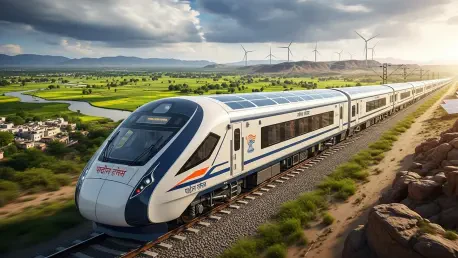
At the heart of this venture is a singular contract that could redefine the future of green logistics. NTPC, a major player in India’s energy sector, has commissioned Lucknow-based Concord Control Systems to design and deploy a revolutionary hydrogen-powered locomotive. This partnership moves beyond theoretical research, aiming to create a practical, high-performance solution for real-world industrial applications.
The project’s ambition raises its profile from a domestic milestone to a potential international trendsetter. While hydrogen trains are not a new concept, the sheer power and commercial focus of this Indian initiative set it apart. The success or failure of this locomotive will be closely watched by industry leaders and policymakers worldwide, as it could validate hydrogen as a viable alternative to diesel for heavy-haul freight.
The Global Race for a Carbon-Free Railway
This development does not exist in isolation. It arrives as nations across the globe accelerate their efforts to decarbonize heavy transport, a sector notoriously difficult to electrify. The European Union, the United States, and China are all investing heavily in hydrogen rail projects, creating a competitive landscape where innovation is paramount. This Indian locomotive, therefore, enters a global race to establish the most effective and scalable clean rail technology.
The initiative is a cornerstone of India’s larger climate strategy, directly supporting Indian Railways’ ambitious goal of achieving net-zero carbon emissions by 2030. By proving the viability of high-power hydrogen engines, the project could provide a clear roadmap for converting a significant portion of the country’s diesel-reliant freight network, contributing substantially to national environmental targets.
Deconstructing the Deal: More Than Just a Locomotive
The technical specifications of the contract reveal its groundbreaking nature. The order is for a 3,100-horsepower green hydrogen locomotive, a figure that nearly doubles the previous global standard of approximately 1,600 horsepower for similar applications. This significant leap in power is what positions the project to handle demanding freight operations, moving it out of the realm of passenger-focused prototypes.
The ₹470 million ($5.16 million) agreement awarded to Concord’s subsidiary, Advanced Rail Controls, is comprehensive. It covers the entire project lifecycle, from initial design and engineering to supply, commissioning, and long-term maintenance. This all-encompassing scope ensures a single point of responsibility and underscores the project’s turnkey nature, intended to deliver a fully operational asset rather than just a piece of experimental hardware.
From Prototype to Powerhouse: A Vision for Commercial Use
What truly distinguishes this project is its unapologetically commercial focus. Unlike many government-led pilot programs designed purely for demonstration, this locomotive is being built for immediate integration into the demanding environment of NTPC’s Sipat power plant in Chhattisgarh. Its purpose is to perform as a workhorse for freight operations, proving its economic and operational viability from day one.
Further cementing this commercial intent is the inclusion of a 20-year operation and maintenance clause within the contract. This long-term commitment signifies confidence in the technology’s reliability and longevity. It shifts the narrative from a short-term experiment to a sustainable, long-term investment in green infrastructure, providing a model for future private-sector adoption of hydrogen technology in heavy industry.
India’s Strategic Track Toward a Hydrogen Economy
This locomotive project is a critical component of India’s broader national strategy to cultivate a robust hydrogen economy. It complements other key initiatives, such as the “Hydrogen for Heritage” program, which aims to operate 35 hydrogen trains on historic routes. Together, these efforts create a powerful synergy, building domestic expertise and a manufacturing ecosystem for advanced clean energy systems.
For Concord Control Systems, securing this contract represented a pivotal moment, positioning the company as a leader in a niche but rapidly growing global market. The successful deployment of the locomotive within the 18-month timeline was not just an engineering triumph but a powerful statement of India’s industrial capability. It laid the groundwork for the nation to transition from a technology adopter to a global exporter of advanced, clean-energy rail solutions.