
A Strategic Milestone in India’s Transition to Sustainable Energy
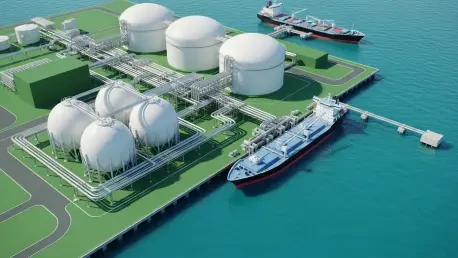
The approval of a specialized green hydrogen jetty at Paradip Port represents a seismic shift in how maritime infrastructure supports the global move toward zero-emission fuels. This project, requiring an investment of approximately $95 million, is specifically designed to handle the complex storage and export requirements of green hydrogen and ammonia. By integrating these facilities directly into one of the nation’s most active ports, the government is creating a streamlined logistics corridor that connects domestic production with international markets. This initiative does not merely add capacity; it redefines the role of Indian ports as central hubs within the National Green Hydrogen Mission.
The Evolution of Paradip Port and India’s Green Hydrogen Ambitions
For decades, Paradip Port was synonymous with the transport of heavy minerals and fossil fuels, serving as a primary artery for the industrial heartland of Odisha. However, the current global energy transition has necessitated a complete overhaul of traditional cargo handling strategies to remain competitive. The decision to pivot toward sustainable fuel handling reflects a proactive response to the declining long-term viability of coal and the rising demand for decarbonized alternatives. This historical transition ensures that the port remains a vital economic engine while aligning its operational goals with international climate commitments.
Analyzing the Infrastructure and Economic Impact of the New Jetty
Technical Capabilities and the Build-Operate-Transfer Framework
The engineering specifications for the new jetty are tailored for massive scale, featuring a dedicated capacity to move 4 million tonnes of liquid cargo annually. To ensure the facility can host the next generation of specialized tankers, the project includes extensive dredging to reach a depth of 14.3 meters. Operating under a build-operate-transfer model, the Paradip Port Authority will provide 20 percent of the funding, creating a low-risk environment for private developers. This financial structure is intended to bring in world-class technical expertise while maintaining a degree of public oversight.
Strengthening Regional Economy Through Private Investment
Regional leadership in Odisha views this development as a magnet for global capital and a primary driver for industrial modernization. By providing the necessary berths and high-tech pipelines, the state is making itself an attractive destination for energy giants looking to set up manufacturing plants nearby. The resulting ecosystem is expected to generate a wealth of specialized employment opportunities, from cryogenic engineering to green logistics management. This localized growth effectively turns a national environmental mandate into a tangible economic benefit for the coastal workforce.
Overcoming Logistics and Storage Challenges in Green Fuel Export
Handling hydrogen in its liquid form presents significant hurdles, primarily due to the extreme temperatures and pressures required for safe containment. The Paradip project addresses these risks by implementing purpose-built storage units that utilize advanced monitoring systems to prevent leakage and thermal loss. Unlike traditional liquid berths designed for oil, these facilities are engineered to handle the volatility of ammonia and hydrogen with higher precision. Solving these logistical bottlenecks at the port level is essential for reducing the overall cost of green energy for end consumers.
Future Trends in Green Maritime Logistics and Global Trade
The establishment of this jetty is likely the first of many steps toward creating a network of green shipping corridors across the Indian Ocean. As international maritime regulations become more stringent regarding carbon intensity, ports with pre-existing green infrastructure will naturally capture the majority of the market share. We will likely see a rapid integration of automated loading technologies and blockchain-based tracking to verify the “green” status of the fuels being exported. These advancements will solidify India’s position as a reliable supplier in a transparent and verifiable global energy market.
Key Takeaways for Stakeholders and Industry Leaders
Investors and logistics firms must recognize that the window for early entry into the green hydrogen infrastructure market is currently wide open. To maximize returns, companies should prioritize the development of ancillary services such as specialized maintenance and hydrogen refueling for vessels. Aligning with the rigorous safety standards of the Paradip Port Authority will be a prerequisite for any firm seeking to participate in this high-growth sector. Success will depend on the ability to integrate vertically within the supply chain, from the point of production to the moment of vessel departure.
Sustaining the Momentum of India’s Clean Energy Vision
The successful sanctioning of the Paradip jetty provided a clear template for how public policy and private capital could unite to solve the most pressing challenges of the energy transition. Industry leaders realized that the focus had to shift from theoretical production targets to the actual physical infrastructure required to move fuel across oceans. By prioritizing these midstream assets, the project ensured that the technological breakthroughs in hydrogen production were not wasted due to logistical inefficiencies. This development ultimately proved that modernizing maritime gateways was the fastest route to achieving a sustainable industrial economy.