
Christopher Hailstone brings over two decades of experience to the table as a specialist in grid reliability and renewable energy integration. Having navigated the complexities of large-scale utility transitions across various international markets, he now serves as a leading voice on how Southeast Asia can modernize its power systems. His deep understanding of the technical and logistical hurdles facing the wind industry makes him a vital resource for understanding the future of the ASEAN green corridor.
With electricity demand in the ASEAN region climbing by nearly 4% annually, how can the industry realistically scale onshore wind from 6.5 GW to 26 GW by 2030? What specific infrastructure shifts are required to manage this growth while successfully reducing fossil fuel dependence?
Scaling onshore wind to 26 GW within such a tight timeframe requires more than just installing turbines; it demands a fundamental redesign of how the regional grid operates. We are looking at a fourfold increase in capacity, which means the current infrastructure must transition from a centralized model to one that can handle the variable nature of wind energy. To reduce fossil fuel dependence, ASEAN nations must prioritize the modernization of transmission lines to prevent bottlenecks as energy flows from windy coastal areas to high-demand urban centers. Additionally, we need to see a rapid deployment of grid-stabilizing technologies to ensure that the 3% to 4% annual growth in demand is met with reliable, carbon-free electrons rather than traditional coal-fired power.
Collaborative efforts between India, Germany, and ASEAN are often cited as a way to bridge technical gaps. How can India’s specific experience in grid integration and manufacturing help ASEAN nations, and what role do these partnerships play in stabilizing regional energy corridors?
India has already navigated many of the growing pains that ASEAN is currently facing, particularly in balancing massive renewable inputs with a legacy grid. By sharing proven policy frameworks and manufacturing expertise, India acts as a strategic gateway for ASEAN nations looking to fast-track their own energy transitions. These partnerships are the bedrock of what we call a “green corridor,” where technical standards are aligned to allow for a more stable exchange of power across borders. When India, Germany, and ASEAN collaborate, they create a tripartite knowledge base that minimizes the trial-and-error period for offshore and onshore project execution, ensuring that the regional energy supply remains secure.
Supply chain resilience and manufacturing localization are becoming top priorities for energy security. How does developing a localized Asian supply chain for wind components help de-risk the sector, and what steps are necessary to ensure that turbines and technical talent move seamlessly across borders?
Localization is the most effective hedge against the global logistics shocks we have seen in recent years, as it moves production closer to the point of installation. By developing an Asian supply chain that covers the full value chain—from the casting of massive blades to the assembly of sophisticated nacelles—we can significantly lower costs and lead times for regional developers. To make this work, we need a “borderless” approach to technical talent and equipment, which involves harmonizing certifications and labor regulations across the ASEAN bloc. This ensures that a technician trained in India or a component manufactured in Thailand can be utilized anywhere in the region without the friction of redundant bureaucracy, effectively de-risking the entire sector.
Translating strategic goals into operational wind projects requires robust financing and policy frameworks. What are the primary hurdles in securing large-scale investment for offshore projects, and how can regional policymakers align their regulations to attract global manufacturing leaders to the market?
The primary hurdle for offshore wind is the sheer scale of the upfront capital required, which often makes investors hesitant without a clear, long-term regulatory roadmap. Policymakers must provide “bankable” frameworks, such as clear feed-in tariffs or competitive auction models, that offer long-term visibility for global manufacturing leaders. We also need to see a more coordinated effort in maritime spatial planning to reduce the risks associated with site selection and environmental impact assessments. When regulations are transparent and aligned across the region, it signals to the global market that ASEAN is a stable environment for the multi-billion-dollar investments necessary to get these massive offshore projects off the ground.
The shift toward hybrid energy projects and digital operations and maintenance is gaining significant momentum. What are the primary technical challenges of integrating wind with storage, and how can the current workforce be upskilled to manage the full value chain from blades to digital monitoring?
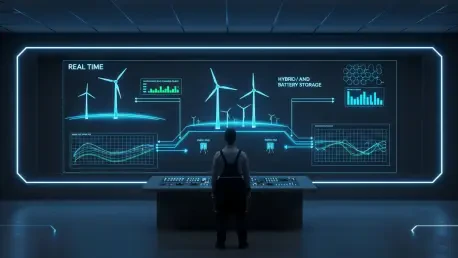
The technical challenge lies in the “handshake” between the wind turbine’s output and the battery storage system, which requires sophisticated software to manage the discharge of energy during peak demand hours. We are moving toward a reality where wind power isn’t just about spinning blades, but about digital O&M systems that predict failures before they happen using AI and real-time sensor data. Upskilling the workforce is essential; we need to transition traditional mechanical engineers into “digital energy managers” who are as comfortable with code as they are with a wrench. By investing in regional training hubs that focus on both the physical maintenance of turbines and the digital monitoring of hybrid plants, we ensure the workforce is prepared to handle the complexity of a modern, decarbonized grid.
What is your forecast for wind energy expansion in the ASEAN region?
I anticipate that the next decade will be the most decisive period for wind energy in Southeast Asia, characterized by a shift from pilot projects to massive, integrated energy hubs. As the region works toward that 26 GW target, we will likely see the emergence of “hybrid clusters” where wind, solar, and storage work in tandem to provide 24/7 clean power to over 2 billion people. The collaboration between India and ASEAN will be the primary engine of this growth, creating a resilient supply chain that finally ends the region’s over-reliance on fossil fuels. Ultimately, my forecast is that wind will move from a secondary energy source to the very backbone of the ASEAN industrial economy, driven by localized manufacturing and a newly digitized workforce.