
Forging a New Energy Frontier: India’s Green Hydrogen Ambition
As the world pivots toward a sustainable energy future, India is making a decisive bid to establish itself as a global leader in the green hydrogen economy. The nation is not just participating in the energy transition; it is actively shaping it through its ambitious National Green Hydrogen Mission (NGHM). This article explores the comprehensive strategy India is deploying to become a global hub for the production, use, and export of green hydrogen. We will delve into the mission’s core pillars, from robust financial incentives and critical policy reforms to the foundational infrastructure being built to support this monumental undertaking, revealing the blueprint for India’s clean energy leadership.
The Global Imperative for Clean Energy: Why Green Hydrogen Matters Now
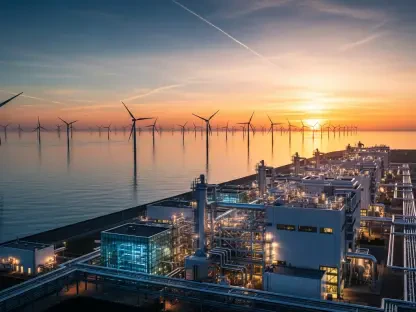
The global push for decarbonization has intensified the search for viable alternatives to fossil fuels. Green hydrogen, produced by splitting water using renewable energy, has emerged as a frontrunner due to its versatility and potential to decarbonize hard-to-abate sectors like heavy industry and long-haul transport. Recognizing this pivotal shift, India has moved proactively. The NGHM is a direct response to this global context, designed not only to meet domestic climate targets but also to capture a significant share of the nascent global market. Understanding India’s strategy requires acknowledging this backdrop of global urgency and the immense economic and geopolitical opportunity that green hydrogen represents.
Architecting a Green Hydrogen Ecosystem: A Multi-Pronged National Strategy
Fueling the Value Chain: Strategic Incentives for Production and Consumption
At the heart of India’s strategy is a meticulously designed incentive structure aimed at kick-starting the entire green hydrogen value chain. The government is directly subsidizing both supply and demand to create a self-sustaining ecosystem. To build domestic manufacturing muscle, it has awarded a total electrolyzer capacity of 3,000 MW per annum across 15 companies, backed by an incentive of Rs. 4440 crores. Simultaneously, to scale up production, 18 companies have been awarded a cumulative capacity of 862,000 tonnes per annum. Critically, the mission also ensures offtake by creating stable demand; incentives have been rolled out for refineries to procure green hydrogen and for fertilizer units to source 724,000 tonnes per annum of green ammonia, a key hydrogen derivative, securing a market for early producers.
Driving Down Costs: Policy Levers to Unlock Affordable Renewable Energy
The economic viability of green hydrogen hinges almost entirely on the cost of renewable energy. To address this primary input cost, the Indian government has enacted powerful policy measures. A cornerstone of this approach is a 25-year exemption from Inter-State Transmission System (ISTS) charges for green hydrogen projects commissioned before the end of 2030, a significant financial relief that directly lowers production costs. Furthermore, units operating in Special Economic Zones (SEZ) or as Export Oriented Units (EOU) receive major benefits, including duty exemptions on renewable energy equipment. These zones are also free from domestic content requirements for solar and wind components, ensuring they can access the most cost-effective technology globally to power their green hydrogen production.
Building the Foundation: Infrastructure and Investment for a Robust Ecosystem
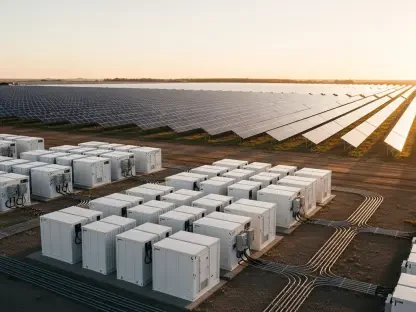
Beyond direct incentives and cost-reduction policies, India is bolstering the foundational pillars required for long-term success. To attract vital international capital and technology, the government permits 100% Foreign Direct Investment (FDI) under the automatic route in the renewable energy sector. On the ground, infrastructure development is being fast-tracked through large-scale Solar Parks and Ultra Mega Solar Power projects, which provide developers with ready access to land and transmission infrastructure. This is complemented by the Green Energy Corridor Scheme, which is expanding the national grid to efficiently evacuate power from renewable-rich regions, ensuring a stable and abundant supply of clean electricity to fuel the nation’s green hydrogen ambitions.
The Road to 2030 and Beyond: Projecting India’s Trajectory as a Global Hub
The comprehensive and integrated nature of the National Green Hydrogen Mission positions India to not only meet but potentially exceed its 2030 production target of 5 million metric tonnes per annum. By systematically de-risking investment, fostering domestic manufacturing, and guaranteeing initial demand, the government is creating a powerful flywheel effect. As technology matures and economies of scale are achieved, India’s inherent advantages—abundant sunlight, vast land, and skilled manpower—could make it one of the world’s most competitive green hydrogen producers. This trajectory could see India transition from an energy importer to a key energy exporter, supplying green hydrogen and its derivatives like green ammonia to markets in Europe and Asia.
Key Takeaways and Strategic Implications for Stakeholders
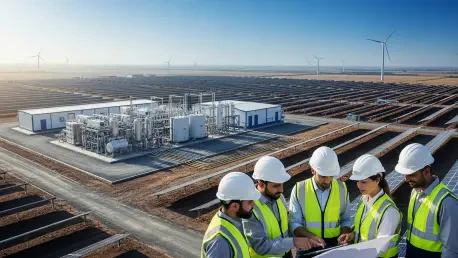
The analysis reveals a clear and actionable strategy with major takeaways. First, the NGHM provides policy certainty, sending a strong signal to global investors and technology partners that India is a reliable destination for green hydrogen investment. Second, for domestic industries, the mission offers a clear decarbonization pathway supported by government incentives, making the transition to cleaner processes economically feasible. Finally, for international partners, it presents a prime opportunity for collaboration in technology, finance, and supply chain development. The key recommendation for all stakeholders is to align their strategies with the mission’s framework to capitalize on the immense growth opportunities emerging in this sector.
From Ambition to Action: Securing India’s Place in the Global Green Economy
India’s pursuit of green hydrogen leadership is more than an environmental policy; it is a strategic economic imperative. Through the National Green Hydrogen Mission, the nation has laid out a detailed and robust roadmap, moving decisively from ambition to concrete action. The combination of targeted incentives, cost-reducing policy reforms, and foundational infrastructure development demonstrates a holistic commitment to building a competitive, end-to-end ecosystem. By executing this vision, India stands not only to achieve energy self-reliance and meet its climate goals but also to secure a formidable position in the next generation of global energy trade, defining its role as a leader in the 21st-century green economy.