
The Dual Nature of Hydrogen in the Quest for Net-Zero
The global transition toward a carbon-neutral economy hinges on finding a replacement for fossil fuels in industrial processes that electricity alone cannot currently reach. Hydrogen stands at the center of this shift, viewed as a versatile energy carrier capable of decarbonizing heavy manufacturing and global shipping. However, the environmental validity of this molecule is not a fixed attribute but a variable dependent on the electricity used for its production. Recent analysis suggests that the climate benefits of hydrogen are entirely contingent on the carbon intensity of the power grids that feed electrolyzers.
From Grey to Green: Understanding the Hydrogen Evolution
Historically, hydrogen production has been an emission-intensive process, with the majority of the world’s supply derived from natural gas through steam methane reforming. This “grey” hydrogen is responsible for significant atmospheric carbon, making the shift to “green” hydrogen—produced via electrolysis—a non-negotiable step for meeting international climate targets. As of 2026, the industry is moving away from these legacy systems, yet the transition remains complex because it requires a fundamental overhaul of how we generate and distribute electricity across the globe.
The Critical Interdependence of Hydrogen and Grid Decarbonization
The Hidden Carbon Footprint of Electrolysis
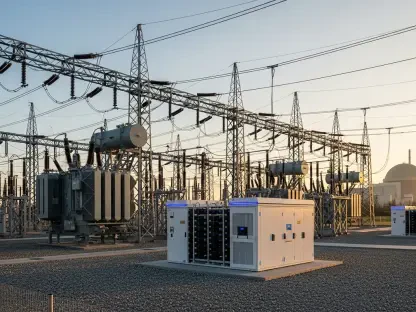
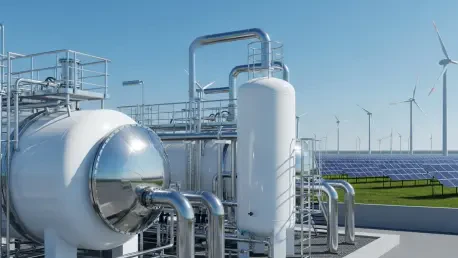
While the process of splitting water into hydrogen and oxygen is emission-free at the point of production, the indirect impact is dictated by the local power mix. If an electrolyzer draws power from a grid heavily reliant on coal or natural gas, the resulting fuel can inadvertently produce a higher warming effect than the fossil fuels it intends to replace. Market data across major economies like China and the United States show that the speed of renewable energy integration—specifically wind and solar—is the primary factor determining whether hydrogen actually helps or hinders climate goals.
The Complexity of International Hydrogen Logistics
The viability of a global hydrogen market is further complicated by the energy required for compression, liquefaction, and long-distance transport. For hydrogen to become a tradable commodity, it must often be converted into carriers like ammonia, a process that consumes significant amounts of power. This logistical chain creates a paradox where exporting clean fuel is only environmentally sound if both the supplier and the consumer maintain low-carbon electrical infrastructures. Without synchronized grid modernization, the energy lost during transport could negate the initial environmental gains.
Regional Variances and Technological Disruptions
Adoption paths vary significantly by region, as infrastructure constraints and policy frameworks dictate the pace of change. In areas with high renewable potential, the challenge is ensuring “additionality,” meaning that new hydrogen projects must not divert clean energy away from existing needs like residential heating or healthcare. Furthermore, efficiency losses inherent in the conversion process remain a hurdle. While advancements in membrane technology offer improvements, they cannot overcome the basic requirement for a decarbonized starting point in the electrical grid.
The Future Landscape of Global Energy Systems
As we look toward 2030, the hydrogen economy will likely see a surge in regulatory oversight aimed at verifying “well-to-gate” emissions. Producers will face increasing pressure to prove that every kilowatt-hour used in production comes from a renewable source. Economically, the declining costs of solar and wind power are expected to make green hydrogen cost-competitive with fossil-fuel alternatives within the next decade. However, this evolution remains tethered to massive capital investments in grid resiliency and storage solutions that can manage the intermittent nature of renewable energy.
Strategies for a Sustainable Hydrogen Transition
To ensure that hydrogen projects deliver on their environmental promises, developers must prioritize locations with high renewable penetration or invest in dedicated off-grid power sources. Industry leaders are now advocating for transparent carbon-tracking systems that account for the entire lifecycle of the fuel, from production to end-use. For businesses looking to integrate this technology, the focus must remain on sourcing certified low-carbon hydrogen to ensure that the departure from fossil fuels leads to a genuine reduction in atmospheric emissions.
Building a Cohesive Path to Net-Zero
Strategic planners recognized that hydrogen was a tool, not a standalone fix, for the broader energy crisis. The focus shifted toward integrating electrolysis with regional grid upgrades to prevent carbon leakage during the production phase. By prioritizing high-efficiency storage and localized production hubs, stakeholders avoided the pitfalls of energy-intensive long-haul transport. This approach ensured that the growth of the hydrogen sector directly accelerated the retirement of coal plants, ultimately securing a more resilient and truly sustainable energy architecture for the coming decades.