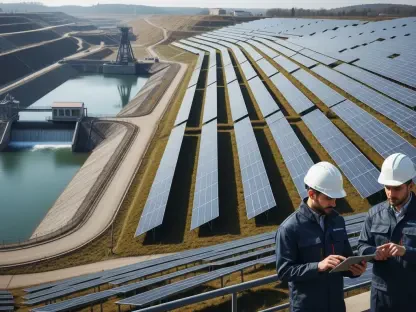

Imagine a vast reservoir in Gujarat shimmering under the sun, not just reflecting light but harnessing it to power thousands of homes. This isn’t a distant vision but a tangible reality taking shape through the innovative efforts of KPI Green Energy Ltd. As India grapples with the dual challenge of land scarcity and the urgent need for clean energy, floating solar technology emerges as a game-changer. KPI Green Energy, a key player in the renewable energy sector, is at the forefront of this transformation with a landmark project that promises to redefine how water bodies can contribute to sustainability. With a recent major contract win, the company is not only expanding its technical expertise but also setting a benchmark for the industry. This development offers a glimpse into how strategic advancements can align corporate growth with national goals for a greener future, sparking curiosity about the broader impact of such initiatives.
Breaking New Ground in Renewable Energy
A Landmark Contract for Floating Solar Innovation
KPI Green Energy Ltd has recently clinched a significant engineering, procurement, and construction (EPC) contract worth ₹489.17 crore from Gujarat State Electricity Corporation Ltd. This deal centers on developing a 142 MW (DC) / 110 MW (AC) floating solar project at the Kadana Dam reservoir in Gujarat’s Mahisagar district. Unlike traditional solar installations that demand expansive land, this project cleverly utilizes a water surface, addressing one of India’s pressing challenges—limited land availability for renewable energy infrastructure. The scope of work spans comprehensive design, engineering, procurement, construction, and installation of the floating photovoltaic (PV) system. Additionally, it includes critical grid-connection infrastructure like a 33 kV underground transmission line and bays at the Kadana substation. With an 18-month timeline for completion and a 10-year operations and maintenance agreement, this contract showcases the company’s commitment to long-term impact and reliability in cutting-edge renewable solutions.
Moreover, this venture marks the company’s bold entry into floating solar technology, a segment gaining traction for its ability to optimize resources. By transforming a reservoir into a power-generating asset, the project highlights a synergy of innovation and practicality. Floating solar systems offer unique advantages, such as reducing water evaporation and minimizing land use conflicts, which are critical in densely populated regions like India. The technical complexity of installing PV systems on water, coupled with ensuring grid stability, underscores the expertise required for such endeavors. KPI Green Energy’s ability to tackle these challenges positions it as a trailblazer, demonstrating how renewable energy can adapt to diverse environments. This initiative isn’t just a contract win; it’s a statement of intent to push boundaries and explore sustainable avenues that others might overlook, paving the way for more such projects across the country.
Strategic Diversification in Energy Solutions
Stepping into floating solar represents a strategic pivot for KPI Green Energy, building on its established reputation in ground-mounted and rooftop solar projects. This diversification strengthens its standing as a comprehensive EPC provider capable of handling varied and complex renewable energy installations. The leadership, exemplified by Dr. Faruk G. Patel, Chairman and Managing Director of KP Group, views this contract as a pivotal milestone. It’s not merely about adding a new technology to the portfolio but about proving the company’s capacity to innovate at scale. Floating solar requires a nuanced understanding of both engineering and environmental factors, and taking on this challenge signals a readiness to lead in uncharted territories of clean energy.
Furthermore, this move aligns seamlessly with India’s ambitious energy transition goals, which prioritize sustainable and efficient power generation. By integrating floating solar into its offerings, KPI Green Energy contributes to a national narrative of progress, where technology meets necessity. The project at Kadana Dam is more than a single achievement; it’s a model for how renewable energy companies can expand their scope while addressing real-world constraints like land scarcity. This strategic expansion also enhances investor confidence in the company’s ability to adapt and grow, even as it navigates short-term market fluctuations. It’s a reminder that innovation in renewables isn’t just about new ideas but about making those ideas work in harmony with broader societal and environmental needs, setting a precedent for others in the industry to follow.
Market Dynamics and Future Outlook
Navigating Stock Volatility Amidst Growth
Despite the excitement surrounding the major EPC contract, KPI Green Energy’s stock performance has shown some turbulence, with shares trading at ₹426.10, down by 0.88% as of a recent update. The intraday trading range fluctuated between ₹420 and ₹441.35, reflecting the typical volatility often seen in the renewable energy sector. With a market capitalization of ₹8,410 crore and a price-to-earnings ratio of 21.89, the company holds a strong position, yet short-term dips like this can unsettle investors. A dividend yield of 0.20% and a 52-week price range from ₹313.40 to ₹588.80 further indicate a market with significant growth potential but also inherent risks. Such fluctuations seem disconnected from the long-term value of the floating solar project, suggesting that investor sentiment often reacts to immediate trading dynamics rather than strategic advancements.
However, these short-term market movements shouldn’t overshadow the broader implications of the company’s achievements. The contract for the Kadana Dam project is a testament to KPI Green Energy’s growing influence and technical prowess in a competitive industry. Market volatility is a common challenge for renewable energy firms, where investor perceptions can lag behind tangible progress. The focus should remain on how such contracts bolster the company’s portfolio and long-term stability, rather than transient stock dips. As India’s demand for clean energy escalates, projects like this are likely to draw increasing attention from stakeholders looking for sustainable investment opportunities. This dynamic illustrates a key tension in the sector: balancing immediate financial metrics with the enduring value of innovation, a balance that KPI Green Energy appears poised to manage effectively.
Shaping India’s Renewable Energy Landscape
The broader trend of floating solar adoption in India reflects a forward-thinking approach to energy generation, particularly in a country where land scarcity poses a persistent hurdle. KPI Green Energy’s role in this shift is significant, as the Kadana Dam project exemplifies how water bodies can be transformed into vital power sources. This initiative integrates advanced technology with essential grid infrastructure, ensuring that clean energy goals are met without compromising on reliability. By executing large-scale projects with long-term operational commitments, the company reinforces its position as a versatile leader across multiple solar segments, from ground-mounted to floating systems, contributing meaningfully to national sustainability targets.
Looking back, the successful bid for the ₹489.17 crore contract stood as a defining moment for KPI Green Energy, marking its foothold in a niche yet promising area of renewable energy. Reflecting on this achievement, it’s clear that blending corporate ambition with environmental responsibility yielded impactful results. For the future, stakeholders could consider how to scale such innovations, perhaps by incentivizing more floating solar projects or streamlining regulatory frameworks. Another step forward might involve fostering public-private collaborations to replicate this model in other regions. As the renewable sector evolved, the lessons from this project offered a blueprint for balancing technical challenges with ecological benefits, ensuring that the journey toward a greener India continued with momentum and purpose.