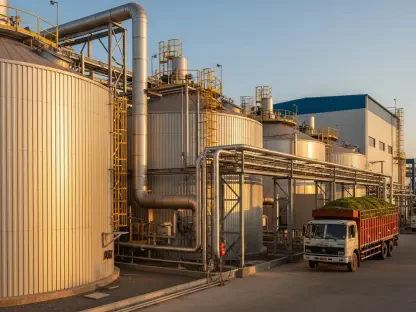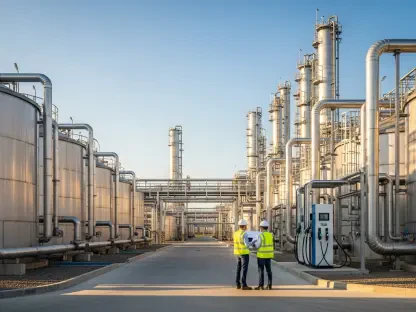

Geopolitical instability across the Middle East has sent shockwaves through the energy markets, causing Brent crude prices to soar and fundamentally altering the economic landscape for Brazil’s sugarcane processors. While higher oil prices typically provide a competitive advantage for ethanol over gasoline at the pump, the current inflationary environment for petroleum products has also introduced a heavy burden on the agricultural side of the business. Domestic diesel prices in Brazil often track international benchmarks; because modern sugarcane harvesting and logistics are heavily reliant on heavy machinery and transport trucks, the impact is immediate. Analysts have observed that for every one-real increase in the price of a liter of diesel, the production cost of sugarcane rises by approximately R$36.5 per tonne. This relationship places mill operators in a delicate position where the gains from biofuel sales must be weighed against the mounting expenses required to move the crop from the field to the factory.
The Financial Burden of Energy-Intensive Inputs
Beyond the immediate spikes in fuel costs, the industry is navigating a complex shift in the price of essential agricultural inputs that are sensitive to energy market fluctuations. Fertilizers such as urea and monoammonium phosphate, commonly known as MAP, have seen significant price volatility as transport constraints and energy-intensive manufacturing processes respond to the broader global oil crisis. These inputs are vital for maintaining the high yields necessary to keep Brazil competitive on the world stage, yet their rising costs threaten to erode the narrow profit margins that many producers are currently facing. Fortunately, some relief has emerged through recent improvements in agricultural productivity and a decrease in the level of investment required for field maintenance compared to previous cycles. This increased efficiency allows mills to remain operational even as the break-even point shifts, though long-term sustainability remains tied to the unpredictability of international logistics.
Strategic Flexibility and Production Outlook
To navigate these turbulent conditions, the Brazilian sugar and ethanol sector adopted a highly flexible production strategy designed to maximize revenue based on shifting price ratios. The ability of mills to divert a larger percentage of sugarcane toward ethanol production when gasoline prices rose allowed them to capitalize on the energy market’s volatility. This operational pivot was critical for the 2026–27 season as producers sought to balance the high overhead of diesel inflation with the lucrative demand for renewable fuels. Industry leaders moved toward diversifying their energy portfolios, integrating more biomass power generation to reduce their reliance on external electricity sources. Advanced digital monitoring systems were also implemented to optimize harvest routes, effectively reducing the diesel consumption that had become such a significant financial liability. These proactive measures ensured that the sector remained resilient against geopolitical shocks through better efficiency.