
Christopher Hailstone brings a wealth of knowledge in grid reliability and renewable energy management to the table. As a seasoned utilities expert, he has spent years navigating the complexities of electricity delivery and the integration of volatile power sources into stable infrastructures. In this conversation, we explore the explosive growth of the green hydrogen sector, which is projected to reach a staggering $17.3 billion by 2033. Our discussion covers the shifting reliance from fossil-fuel-based steam methane reforming to advanced electrolysis, the desperate search for alternatives to expensive catalysts like iridium, and the critical role of material durability in harsh industrial environments.
With the market projected to reach $17.3 billion by 2033, how are companies handling the surge in renewable energy integration? What specific engineering steps are taken to ensure electrolyzers can manage the fluctuating power loads coming from solar and wind sources?
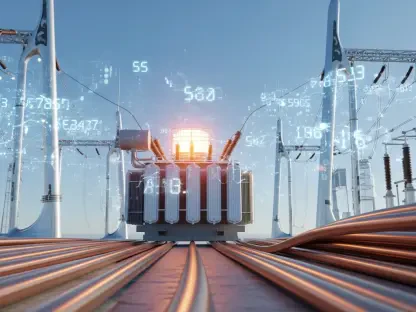
The shift toward a $17.3 billion market by 2033 is driving a massive re-engineering of how we think about power storage. To handle the “pulse” of solar and wind, engineers are designing electrolyzers that act as sophisticated buffers, absorbing excess electricity that would otherwise go to waste. We are seeing a move toward integrating these systems directly with renewable sites to stabilize the grid and ensure that the fluctuating electrical currents don’t overwhelm the hardware. It is a balancing act of using advanced materials that can ramp up and down quickly without losing efficiency, effectively turning “spilled” green energy into a storable, transportable gas.
Heavy industries like steel and ammonia production are shifting away from traditional steam methane reforming. What are the primary logistical challenges when replacing fossil-fuel-based hydrogen with green electrolysis, and what metrics determine if a facility is ready for this transition?
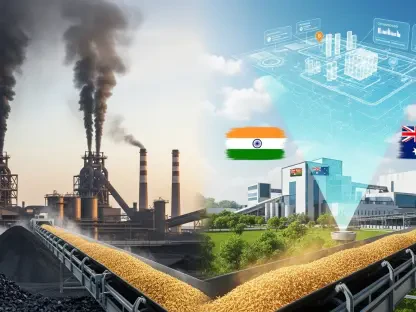
The transition for sectors like steel, ammonia, and refining is massive because these industries have relied on fossil-fuel-based steam methane reforming for decades. The primary logistical hurdle is the scale of infrastructure required to replace a steady stream of natural gas with the massive electrical input needed for green electrolysis. We measure readiness by evaluating a facility’s proximity to renewable energy capacity and its ability to integrate high-efficiency electrolyzer systems into existing chemical workflows. The goal is to prove that green hydrogen can provide the same high-intensity heat and chemical reactivity as traditional fuels while hitting the net-zero emission goals that modern regulations demand.
Reliance on platinum and iridium often leads to price volatility and supply risks. What specific research breakthroughs are being made to develop non-precious metal catalysts, and how do these alternatives compare in terms of current efficiency and long-term scalability?
The heavy reliance on precious metals like platinum and iridium is a significant bottleneck because these materials are rare, expensive, and prone to wild price swings. Current research is laser-focused on finding non-precious metal catalysts that can offer the same catalytic activity without the “glittering” price tag. While these alternatives are currently being tested for their efficiency, the real challenge is ensuring they can scale up to meet the global demand of a multi-billion dollar market. If we can successfully transition to more common materials, we remove a major economic barrier to making green hydrogen affordable for the entire planet.
Electrolyzer components must endure highly corrosive environments and extreme temperature variations. Which specific materials are proving most effective at preventing membrane degradation, and what maintenance protocols are necessary to extend the lifespan of these high-efficiency systems?
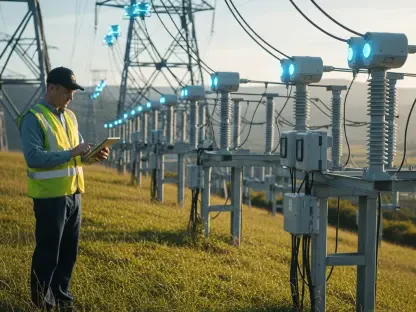
Operating an electrolyzer is like running a marathon in a harsh chemical bath; the membranes and structural components are constantly attacked by high currents and corrosive fluids. To prevent degradation, the industry is turning to high-performance membranes that can withstand these thermal and chemical stresses over long periods. Maintenance is no longer just about fixing what breaks, but about using predictive monitoring to track how these materials hold up under heat variations. Developing more durable materials is absolutely essential for improving the economic viability of large-scale production, as it keeps the systems running longer with fewer expensive shutdowns.
Scaling the production of membranes and catalysts is critical as global demand rises. How are manufacturers addressing current supply chain bottlenecks for specialized metals, and what are the strategic advantages of localizing the production of these critical components?
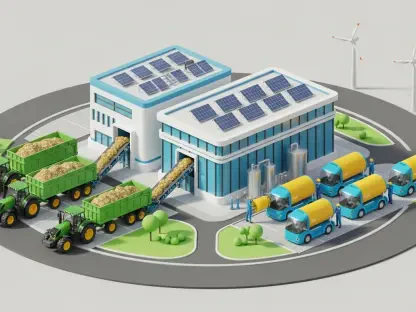
Major players like Siemens Energy, Cummins, and Nel ASA are rapidly expanding their production capacities to keep pace with the $17.3 billion trajectory. One of the most effective strategies we are seeing is the localization of supply chains for membranes and specialized metals to avoid the delays associated with global shipping. By producing these critical components closer to the end-user, companies can insulate themselves from international trade shocks and ensure a steady flow of materials. This localized approach also fosters innovation, as manufacturers can work directly with utilities to refine the materials based on real-world grid performance.
As the industry matures, there is a greater focus on material sustainability and circularity. Could you walk through the step-by-step process of recovering precious metals from spent electrolyzers and explain how recycling impacts the overall lifecycle cost of hydrogen production?
The focus on circularity means we are starting to treat spent electrolyzers as “urban mines” where we can recover precious catalysts once a system reaches the end of its life. The process involves carefully dismantling the units and using chemical or thermal methods to strip away and purify the platinum or iridium for reuse in new systems. This recycling loop is vital because it significantly lowers the overall lifecycle cost of hydrogen production by reducing the need to buy new, raw materials at market peaks. It turns a potential waste problem into a sustainable supply chain that supports the long-term growth of the green hydrogen economy.
What is your forecast for the Green Hydrogen Electrolyzer Materials Market?
I expect the market to evolve into a cornerstone of the global energy mix as we approach the 2033 milestone of $17.3 billion. We will see a decisive shift toward non-precious metal catalysts and highly durable membranes that will finally make green hydrogen cost-competitive with fossil fuels. As localized supply chains mature and recycling programs become standardized, the volatility we see today will stabilize, allowing heavy industry to fully commit to decarbonization. Ultimately, the materials science breakthroughs occurring right now will be the primary engine driving us toward a net-zero future.