
The global energy transition hinges on the ability to produce carbon-free fuel at a scale and cost that finally makes fossil fuels obsolete in heavy industry. Electrolysis, the process of using renewable electricity to split water into hydrogen and oxygen, has moved from a classroom science experiment to the cornerstone of the modern low-carbon economy. As nations race toward 2030 sustainability targets, the demand for high-efficiency systems has never been higher.
While traditional alkaline and proton exchange membrane systems have dominated for years, they often rely on expensive catalysts and complex manufacturing. The current shift toward green hydrogen is driven by the need to bypass these economic bottlenecks. By integrating advanced power electronics and modular designs, modern electrolyzers are no longer just components; they are the heart of a decentralized energy network.
Technical Innovations and Performance Drivers
Proprietary Electrolyzer Architecture: Cost Efficiency
The primary barrier to green hydrogen adoption has always been the “green premium” compared to carbon-heavy “grey” hydrogen. Companies like Newtrace are disrupting this by utilizing proprietary architectures that eliminate the need for rare-earth metals and complex membranes. By simplifying the stack design, these systems can slash production costs by up to 60 percent, making hydrogen economically viable for a wider range of industrial players.
This move toward simplified manufacturing is more than a cost-saving measure; it is a fundamental shift in material science. By utilizing abundant materials and streamlined assembly processes, these systems offer a more resilient supply chain. This approach ensures that performance does not degrade under the fluctuating power loads typical of solar and wind energy sources.
High-Purity Production: Performance Metrics
Achieving the 99.999% purity required for fuel cells and sensitive chemical processes demands meticulous control over the electrochemical reaction. Modern systems achieve this through advanced sensing and real-world monitoring that optimize current density in real time. Scaling these components from the laboratory to 30,000-square-foot commercial facilities has proven that high performance can be maintained at an industrial volume.
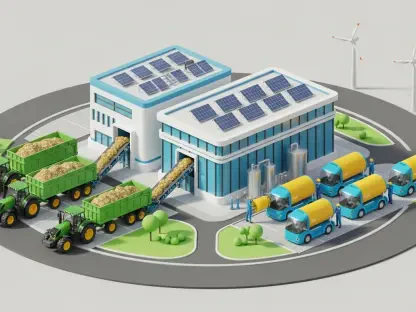
The transition to large-scale manufacturing allows for better heat management and increased stack durability. Unlike older models that required frequent maintenance, today’s modular units are built for continuous operation in demanding environments. This scalability ensures that a single facility can support everything from a small transport fleet to a massive industrial park.
Recent Developments and Investment Trends
The landscape of climate technology has recently transitioned from speculative research into a phase of rigorous commercial scaling. Significant capital infusions, such as the $6.3 million Pre-Series A round for Newtrace, demonstrate that investors are looking for tangible manufacturing capacity rather than just theoretical breakthroughs. This influx of capital specifically targets the leap from pilot programs to full-scale industrial supply agreements.
Strategic government initiatives, notably India’s National Green Hydrogen Mission, act as a massive tailwind for these technological advancements. These policies provide the regulatory framework and subsidies necessary to de-risk private investment. As a result, the market is seeing a surge in confidence, even in a cautious economic climate, as the infrastructure for a hydrogen-based economy begins to take physical shape.
Real-World Applications and Industrial Integration
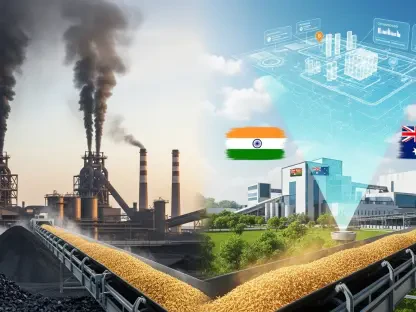
Hard-to-abate sectors like steel manufacturing and chemical production are the primary beneficiaries of these advancements. Traditionally, these industries relied on coal or natural gas, but the integration of high-capacity electrolyzers allows them to swap fossil fuels for clean hydrogen without a total overhaul of their core machinery. This seamless integration is critical for reducing the global carbon footprint of heavy manufacturing.
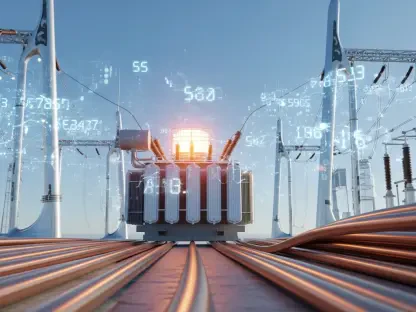
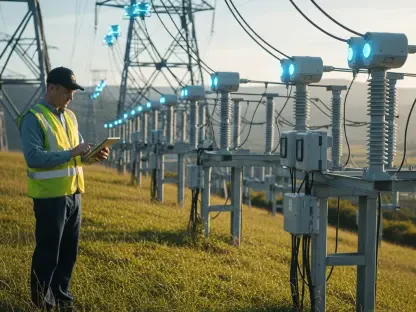
Beyond heavy industry, unique use cases are emerging in the stabilization of energy grids. By acting as a flexible load, electrolyzers can soak up excess renewable energy during peak production hours and store it as hydrogen. Collaborations between startups and established utility firms are now focused on building the “hydrogen backbone” needed to transport this energy to where it is most needed.
Challenges to Widespread Adoption and Scaling
Despite the technological progress, significant hurdles remain regarding the infrastructure required for storage and transport. While the electrolyzers themselves are becoming more efficient, the cost of compression and specialized pipelines still adds a layer of complexity to the supply chain. Furthermore, reducing the reliance on any remaining rare materials is an ongoing battle for engineering teams seeking to ensure long-term sustainability.
Regulatory alignment across different borders also presents a hurdle for companies aiming for global reach. Standardizing safety protocols and purity certifications is essential for hydrogen to become a truly global commodity. Teams are currently focused on iterative engineering to ensure that systems remain robust enough to handle various environmental conditions while meeting strict international safety standards.
Future Outlook and Global Market Trajectory
The trajectory of electrolyzer technology suggests a future where green hydrogen is as ubiquitous as natural gas. Breakthroughs in membrane durability and electrochemical efficiency are expected to drive costs even lower, potentially reaching parity with fossil fuels by the end of the decade. This evolution will likely transform regions with abundant renewable resources into new energy exporters, reshaping global trade dynamics.
As stack life-cycles extend and maintenance requirements drop, the focus will shift toward the “plug-and-play” integration of these systems. This will allow even smaller industrial plants to generate their own fuel on-site. The long-term impact will be a more resilient and decentralized energy system that is less susceptible to the price volatility of traditional global energy markets.
Final Assessment of Electrolyzer Advancements
The recent milestones in electrolyzer development reflected a pivot toward practical, scalable solutions that prioritize economic viability alongside environmental impact. The success of funding rounds and the expansion of manufacturing facilities demonstrated that the technology has matured enough to support large-scale industrial decarbonization. It was clear that the shift from R&D to commercial production marked a point of no return for the green hydrogen sector.
Moving forward, the industry must prioritize the standardization of hydrogen infrastructure to ensure these localized production successes can be linked into a global network. Stakeholders should focus on cross-sector partnerships that synchronize hydrogen production with the expansion of the renewable grid. Ultimately, the continued refinement of these systems will serve as the primary engine for the global transition to a sustainable, low-carbon industrial future.