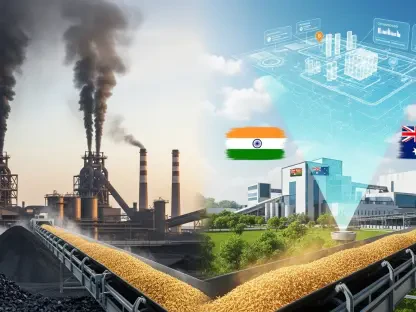

The traditional landscape of the Indian sugar industry is undergoing a seismic shift as the once-profitable model of generating surplus electricity from bagasse faces an existential threat from the record-low prices of solar energy. Union Minister Nitin Gadkari recently highlighted that the economic buffer once provided by co-generation is evaporating, leaving many mills with expensive, uncompetitive power that state utilities are increasingly reluctant to purchase. This change is not merely a temporary market fluctuation but a permanent realignment of the national energy grid toward cheaper, renewable alternatives.
The Declining Viability of Traditional Co-Generation: An Era of Cheap Solar Energy
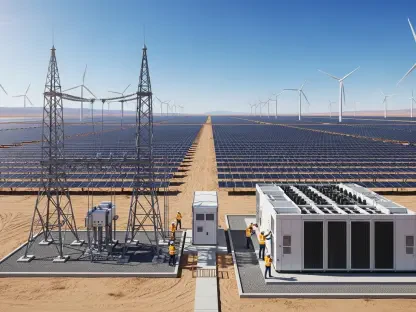
As the cost of solar power continues to plummet across the country, traditional sugar mills find themselves at a critical crossroads. Their surplus electricity is no longer the lucrative byproduct it once was, largely because the infrastructure required to maintain thermal co-generation cannot compete with the decentralized efficiency of photovoltaic arrays. With existing power purchase agreements reaching their expiration dates, many mill owners face a harsh reality: their energy output is losing its edge in a market that now prioritizes low-cost procurement.
This shifting energy landscape necessitates a fundamental rethink of how sugar factories utilize their organic resources to remain financially solvent. Instead of clinging to outdated contracts, the industry must pivot toward outputs that command higher market value. The transition is essential for survival, as the disparity between the cost of biomass-based electricity and solar power continues to widen, making traditional co-generation a burden rather than a benefit.
Addressing the Economic Burden: India’s Energy Import Dependency
The push for compressed biogas (CBG) is not merely an industrial suggestion but a matter of national fiscal health, especially since the nation currently imports approximately 86% of its energy at a staggering annual cost of Rs 22 lakh crore. This heavy reliance on foreign fuel drains the national exchequer and leaves the domestic economy vulnerable to geopolitical tensions and global market volatility. Transforming agricultural waste into fuel represents a strategic move toward energy self-reliance and national security.
By shifting the focus from electricity to CBG, the sugar sector can help insulate the country from the unpredictable pricing of the global oil market. This transformation turns a disposal headache into a high-value asset that keeps capital within the domestic economy. The minister noted that while certain vested interests in the import sector might resist this change, the transition to biofuels is a non-negotiable step for long-term economic stability.
Empowering the Rural Economy: Agricultural Waste Valorization
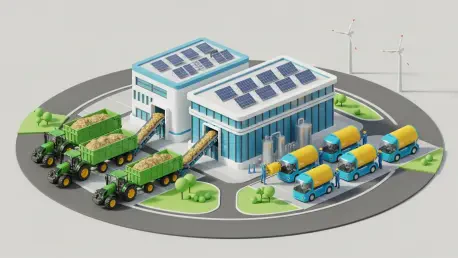
A pivot to biogas production serves as a powerful catalyst for agriculture-led growth, directly linking the prosperity of industrial mills to the financial well-being of local farming communities. By utilizing residues and waste products to create CBG, mills generate significant rural employment and provide farmers with additional revenue streams beyond their primary cane crops. This circular economy model ensures that energy expenditures stay within the region, strengthening the financial infrastructure of the countryside.
This localized approach to energy production fosters a more resilient domestic market by turning every farm into a potential fuel supplier. As sugar mills integrate more deeply with the agricultural supply chain, they create a symbiotic relationship that protects against market downturns. The result is a robust rural ecosystem where waste is no longer discarded but is instead treated as a premium feedstock for the nation’s green energy transition.
Industrial Consensus: The Evolution Toward Integrated Bio-Refineries
Prominent industry leaders at the recent conference in Pune argued that the future of the sector lies in the transformation of sugar mills into comprehensive bio-refineries. Nitin Gadkari’s vision was echoed by technology specialists who emphasized that the industry must move beyond a single-product focus to embrace diverse bio-energy outputs. This evolution requires a shift in mindset, viewing the sugar mill not just as a processing plant, but as a sophisticated hub for sustainable chemical and fuel production.
While the minister acknowledged that the path toward domestic growth might be challenged by established importers, the collective consensus remained that modernization was the only viable path for survival. Leading figures suggested that diversifying into ethanol, biogas, and bio-plastics would create a more stable business model. By adopting this multi-faceted approach, the industry can hedge against price fluctuations in the global sugar market while contributing to a cleaner environment.
Implementing AI and Modern Tech: Optimize Waste-to-Energy Outputs
To successfully transition from traditional electricity generation to biogas production, sugar mills adopted a framework centered on cutting-edge technology and operational efficiency. Integrating artificial intelligence significantly optimized the anaerobic digestion process, ensuring maximum methane yield from varying qualities of agricultural waste. These digital tools allowed operators to monitor fermentation in real-time, drastically reducing downtime and increasing the overall purity of the gas produced.
Mills prioritized upgrading their infrastructure to handle high-pressure gas compression and storage, allowing them to participate in the global market as advanced exporters of green fuel solutions. Forward-thinking companies invested in modular refinery units that could scale production based on seasonal feedstock availability. These technological steps ensured that the industry moved toward a future where bio-energy became a cornerstone of the national grid, providing a sustainable blueprint for other agricultural sectors to follow.