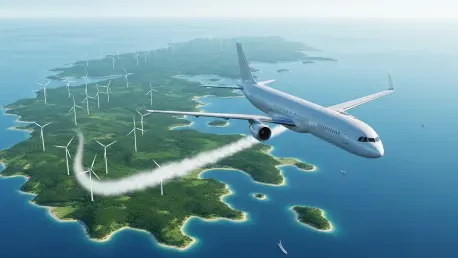

The Danish aviation landscape has officially shifted toward a fossil-free future as the nation successfully completes its inaugural domestic flight powered by sustainable aviation fuel. This landmark journey, operated by Norwegian Air Shuttle between Aalborg and Copenhagen, serves as a high-profile proof-of-concept for a sector under intense pressure to decarbonize. By integrating a 40% sustainable aviation fuel (SAF) blend into standard operations, the initiative demonstrates that immediate environmental gains are possible without waiting for speculative future technologies. This analysis explores how the Danish model addresses the technical, economic, and logistical barriers that have historically grounded green aviation efforts.
The Evolution of Green Transport in Scandinavia
Denmark’s transition is the result of a long-standing national commitment to climate leadership and radical transparency in carbon accounting. For years, the aviation industry faced criticism for its heavy footprint, yet it remained an indispensable artery for regional connectivity and economic growth. Historically, the shift was stalled by the exorbitant cost of alternative fuels and the belief that only electric propulsion could offer a true solution.
However, the Danish government’s aggressive strategy to eliminate fossil fuels from domestic flight by 2030 has forced a move from theoretical debate to practical application. This flight is a calculated component of a larger regional trend, signaling to the global market that Scandinavia is ready to lead the transition. Understanding this background is essential to grasping why this specific flight serves as a blueprint for other nations.
Decoding the Domestic Sustainable Flight Initiative
Technical Foundations: The Decarbonization Potential
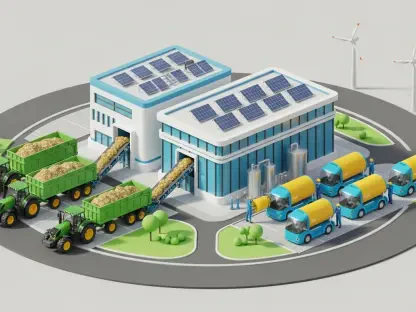
The aircraft utilized a sophisticated “drop-in” fuel blend, consisting of 40% SAF derived from organic waste materials and 60% traditional jet fuel. Because this fuel is chemically similar to petroleum-based kerosene, it requires zero modifications to existing engines or airport fueling infrastructure. This compatibility is a massive strategic advantage, allowing airlines to reduce emissions immediately using their current fleets. From an environmental perspective, the impact is significant; experts estimate that adopting this blend on the Aalborg–Copenhagen route reduces carbon dioxide emissions by over 3,000 tonnes annually.
Economic Realities: Navigating Higher Production Costs
The primary hurdle for SAF adoption remains its price, which currently sits at seven to eight times the cost of conventional fuel. To mitigate this, a strategic partnership between the government, fuel suppliers, and Norwegian Air Shuttle was established to absorb the initial financial shock. By leveraging collective bargaining and targeted subsidies, the stakeholders kept ticket prices stable for the consumer. This case study proves that while the green fuel market is still maturing, collaborative financial models can bridge the gap between high production costs and market affordability.
Infrastructure Growth: Addressing Industry Misconceptions
A common misconception is that carbon neutrality requires a total abandonment of current hardware in favor of hydrogen or battery power. While those innovations are progressing, the Danish initiative highlights the efficiency of incremental innovation. By using the existing supply chain to transport and pump bio-based fuels, the industry avoids the massive capital expenditures associated with rebuilding entire airport terminals. This approach optimizes current assets, proving that the fastest route to lower emissions lies in refining existing systems rather than waiting for a distant silver bullet.
Charting the Path Toward Carbon-Neutral Skies
The success of this operation is expected to trigger a wave of similar mandates across the European Union. As production facilities for synthetic fuels scale up over the next few years, the industry anticipates a gradual reduction in unit costs, making SAF more attractive for long-haul carriers. We are likely to see a shift in regulatory frameworks where governments mandate minimum SAF percentages for all departing flights. Furthermore, the focus is shifting toward “e-fuels”—synthetic alternatives created using renewable electricity and captured CO2—which offer a more scalable and even cleaner profile than bio-based options.
Strategic Takeaways for a Sustainable Aviation Sector
For policymakers and corporate leaders, the Danish model offers several actionable insights for the coming years. Public-private partnerships are non-negotiable; the financial risks of early adoption must be shared to ensure market stability and prevent consumer backlash. Additionally, starting with manageable blends, such as 30% or 40%, provides a more viable path to scale than holding out for 100% solutions that are not yet commercially ready. Industry professionals should use this milestone as a prompt to audit their own supply chains for immediate integration opportunities.
Conclusion: A Blueprint for Global Aviation
The launch of Denmark’s first sustainable domestic flight provided a scalable roadmap that balanced environmental necessity with commercial logic. By successfully navigating the high costs of SAF and utilizing existing technology, the project proved that the journey toward 2030 is defined by practical, incremental steps rather than just visionary rhetoric. Stakeholders recognized that waiting for perfect technology was no longer an option, and instead, they focused on building the infrastructure needed to support a permanent shift in energy sourcing. This initiative remained a powerful reminder that with the right cross-sector collaboration, the industry could finally decouple economic growth from carbon emissions.