
A Landmark Alliance for Cleaner Skies
The aviation industry, one of the most challenging sectors to decarbonize, is seeing a pivotal shift as strategic alliances reshape sustainability. The landmark partnership between Neste and the Cathay Group aims to scale the use of Sustainable Aviation Fuel (SAF), representing a concrete step toward reducing air travel’s carbon footprint. This analysis explores whether this producer-airline model can pave the way for a sustainable future.
The Long Runway to Sustainable Aviation
The industry’s reliance on fossil fuels has made it a significant emissions contributor. With long-term solutions like hydrogen power decades away, SAF has emerged as the most practical near-term option. As a “drop-in” fuel made from renewable sources, it can cut lifecycle emissions by up to 80% using existing aircraft and infrastructure, making partnerships that scale its supply essential.
Deconstructing the Neste-Cathay Partnership
A Global Blueprint for SAF Deployment
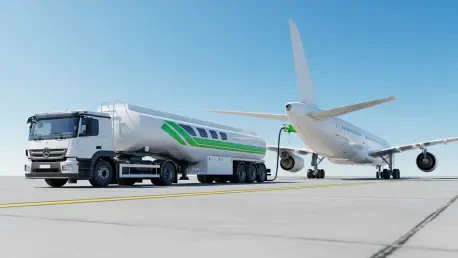
The agreement’s distinction lies in its global scope. Neste supplies its Neste MY Sustainable Aviation Fuel™ to Cathay across three continents, with active deliveries at hubs like Amsterdam and Los Angeles. The inclusion of cargo carrier Air Hong Kong at Singapore Changi demonstrates the partnership’s reach into the critical air freight sector.
Beyond Fuel: A Shared Vision for Decarbonization
This partnership is driven by a mutual goal to accelerate decarbonization. For Cathay, it is a cornerstone of its strategy to meet climate targets. For Neste, it validates its production capacity and solidifies its role as a key enabler of sustainability for major international airlines, proving a viable commercial model.
The Ripple Effect: From Corporate Travel to Global Cargo
The alliance’s impact is far-reaching. By offering SAF on key business routes, Cathay helps corporate clients meet their Scope 3 emissions goals, creating crucial market demand. Yet, SAF is supplied in blends and remains a small fraction of total fuel use, underscoring the immense challenge of scaling production.
Charting the Flight Path for a Greener Future
The Neste-Cathay model serves as a powerful template for the future, shifting the market from symbolic purchases to large-scale, integrated supply agreements. The primary challenge ahead is scaling SAF production, which will require massive investment in new biorefineries and supportive government policies to close the price gap with conventional fuel.
Key Takeaways for the Aviation Ecosystem
This partnership offers clear takeaways. Deep, long-term collaborations between producers and airlines are the most effective way to accelerate SAF adoption globally. Furthermore, a robust supply chain is essential for major carriers. The agreement proves SAF is no longer a concept but a commercially viable tool for immediate decarbonization.
A Promising Horizon, But a Marathon Not a Sprint
In conclusion, the partnership between Neste and Cathay represented a critical advancement in sustainable aviation. It moved the industry from pledges to scalable, real-world implementation. The collaboration showcased a functional blueprint for tackling the carbon challenge. While they could not solve the problem alone, they demonstrated what was possible, creating momentum for the industry to follow.