
The Dawn of a Post-Lignite Era in Western Macedonia
The sprawling, dusty landscapes of Western Macedonia, once defined by the rhythmic hum of heavy machinery extracting lignite, are now undergoing a radical metamorphism into a centerpiece of renewable innovation. This shift marks the definitive end of Greece’s reliance on fossil fuels as the nation pursues aggressive decarbonization goals. By repurposing depleted industrial sites, the country addresses national energy targets while revitalizing economically vulnerable zones.
Architecting a New Energy Identity from Industrial Ruins
Harnessing the Sun: The Massive Scalability of Lignite-to-Solar Conversions
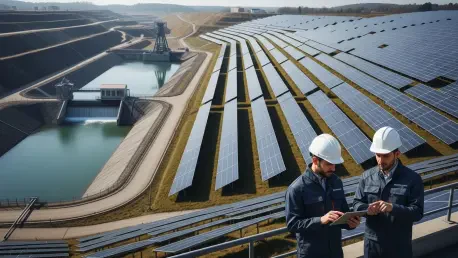
Large-scale solar hubs at Amyntaio and Ptolemaida now generate roughly 6 percent of the nation’s electricity, powering 750,000 households. This transition prevents 1.5 million tonnes of carbon dioxide emissions annually. Technical observers emphasize that converting unstable mining soil into secure foundations for solar arrays remains a complex but rewarding engineering feat.
Beyond Intermittency: Integrating Advanced Storage and Pumped-Hydro Solutions
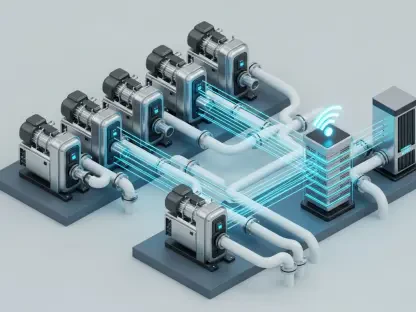
Grid stability is maintained through battery energy storage systems in Ptolemaida and Meliti. These facilities complement long-duration storage projects, such as the 12-hour pumped-hydro installations at South Field. Diverse storage durations create a resilient buffer, mitigating the risks of intermittent renewable generation.
Scaling the Green Blueprint: 2.13 GW of Systematic Industrial Transformation
The development of 2.13 GW of photovoltaic capacity represents a total departure from traditional mining practices. This regional overhaul serves as a premier European test case for brownfield redevelopment. It demonstrates that industrial decline can catalyze the growth of sustainable energy jobs.
The Human Element: Bridging Economic Gaps Through Community Investment Bonds
A €5 million bond initiative gives residents in Kozani and Florina a direct financial stake in these green energy projects. This model of social inclusion differs from traditional top-down developments by prioritizing local gains. Financial participation mitigates local resistance and fosters a sense of regional ownership.
Strategic Blueprints for Navigating Regional Energy Transitions
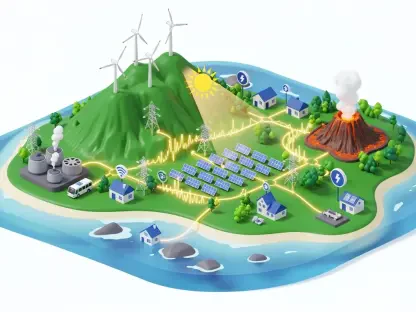
Success in this transition stems from the synergy between massive solar output and integrated storage systems. Other coal-heavy regions can replicate this success by focusing on industrial repurposing and rapid technological deployment. Balancing infrastructure needs with community interests is essential for long-term regional stability.
Reclaiming the Greek Landscape for a Sustainable Tomorrow
The transformation of former coal mines provided the primary engine for Greek energy independence. Authorities prioritized decarbonization and social equity to modernize the national power sector. This strategy turned environmental liabilities into permanent renewable assets for the next generation.