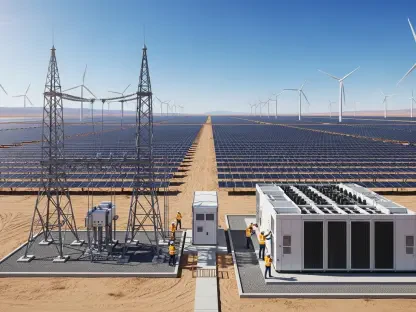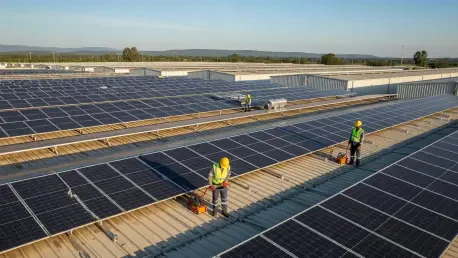

The sheer speed at which African nations are bypassing traditional power grids to embrace distributed solar energy represents the most significant infrastructure leapfrog since the continent skipped landlines for mobile telephony. As of 2026, the energy landscape is no longer defined by the reach of state-owned copper wires but by the placement of silicon panels on rooftops from Lagos to Nairobi. This decentralized movement has transitioned from a niche humanitarian effort into a massive, commercially viable industry that is fundamentally rewriting the rules of continental development. By prioritizing solar home systems (SHS), localized mini-grids, and commercial rooftop installations, the region is successfully decoupling its economic growth from the failures of aging, centralized utility models.
This shift toward a modern renewable framework is fueled by a perfect storm of plummeting hardware costs and high-performance technological innovations. For the first time, the price of high-efficiency solar modules has reached a level where private energy generation is frequently cheaper than purchasing power from a national grid, especially when considering the indirect costs of frequent outages. Consequently, the industry is seeing a massive surge in demand from both rural households and urban industrial centers. This transformation is not merely about providing light; it is about creating a stable, high-quality energy supply that can power everything from irrigation pumps to large-scale cold storage facilities.
The Dawn of Decentralized Energy: Africa’s Leapfrog Moment
The current state of the African energy market is characterized by a move away from the “big grid” philosophy toward a more resilient, distributed architecture. Centralized utilities, often hampered by mismanagement and massive transmission losses, are increasingly viewed as secondary backups rather than primary sources of power. This new paradigm treats energy as a localized commodity, where production happens at the point of consumption. The significance of this change cannot be overstated, as it provides a pathway to energy sovereignty for millions who have lived in the dark for decades.
Furthermore, the integration of advanced battery storage and smart-metering technology has turned what were once simple lighting kits into sophisticated household utility hubs. These systems are now capable of supporting a wider range of appliances, which in turn drives higher economic productivity within local communities. As solar hardware becomes more affordable and accessible, the barrier to entry continues to fall, allowing even the most remote regions to participate in a modern digital economy that requires reliable electricity for connectivity and commerce.
Market Dynamics and the Surge in Continental Capacity
Transforming the Energy Landscape: Emerging Trends and Consumer Behaviors
The continental solar market has entered a period of explosive growth, underscored by a massive increase in total installed capacity over the last twelve months. This surge is largely driven by a shift in consumer behavior, where the adoption of solar is seen as a necessary hedge against the chronic instability of national power providers. In countries like Nigeria and South Africa, the private sector is no longer waiting for governmental solutions; instead, businesses and homeowners are investing in their own energy security. This trend has created a self-sustaining cycle of demand that continues to attract global manufacturers to African shores.
At the heart of this democratization of energy is the “Pay-As-You-Go” (PAYG) financial model. By utilizing mobile money platforms, energy providers allow low-income customers to access high-quality solar assets through small, manageable daily payments. This fintech-driven approach has effectively removed the prohibitive upfront cost of renewable technology, turning energy into a service rather than a luxury purchase. Moreover, the rise of localized manufacturing and the establishment of battery gigafactories in Northern and Southern Africa suggest that the continent is rapidly building the internal capacity to sustain this momentum without relying solely on overseas imports.
Quantifying the Revolution: Growth Projections and Performance Indicators
Statistical indicators from the start of 2026 reveal a market that has expanded from a few regional leaders to eighteen high-growth nations. The expansion is no longer limited to the traditional powerhouses; countries like Zambia, Tanzania, and Chad are now recording significant annual increases in solar deployment. This broader geographic footprint is essential for meeting the “Mission 300” targets, which aim to connect hundreds of millions of people to electricity through $50 billion in coordinated international backing. These investments are increasingly focused on de-risking the sector for private equity, ensuring that capital flows toward the most impactful projects.
The economic logic supporting these investments is undeniable, particularly in high-irradiance zones where solar arrays can achieve a full payback on their initial cost in record time. Beyond simple financial returns, the sector is positioned to be one of the largest employers on the continent. Estimates suggest that the decentralized energy value chain could support over three million direct green jobs by the end of the decade. These roles span the entire spectrum of the economy, from high-level engineering and software development for smart grids to the technical labor required for “last-mile” installation and maintenance in rural areas.
Structural Bottlenecks and the High Cost of Progress
Despite the abundance of natural resources, the African solar sector continues to face a frustrating financial paradox. While the continent possesses more than half of the world’s highest-quality solar potential, it receives only a tiny fraction of global renewable energy investment. This disparity creates a bottleneck that slows down the deployment of large-scale infrastructure and limits the reach of mini-grids. The primary culprit is the perceived risk associated with African markets, which drives up the cost of borrowing and makes projects more expensive to execute than in other parts of the world.
The “hidden cost” of capital remains a significant hurdle, as African developers often face interest rates that are multiples higher than those in Western markets. This financial burden is compounded by currency volatility and a lack of long-term credit histories for many project sponsors. Moreover, many nations remain burdened by significant debt and the persistence of fossil fuel subsidies, which drain public coffers and create an uneven playing field for clean energy. Addressing these systemic issues is crucial for unlocking the trillions of dollars needed to achieve universal energy access across the continent.
Navigating the Policy Framework and Regulatory Landscape
Legislative shifts are beginning to align with the reality of decentralized power, as more governments realize that the quickest path to universal energy access is through private-sector participation. In several East African nations, new regulatory standards are being implemented to improve the integration of mini-grids with the national infrastructure, allowing for more efficient power sharing. International financial institutions are also playing a more active role by providing credit guarantees that help lower the cost of capital for local developers. These policy interventions are essential for transforming “unbankable” projects into attractive opportunities for global investors.
One emerging solution to the fiscal constraints facing many governments is the concept of “debt-for-climate” swaps. By allowing countries to redirect sovereign debt payments toward renewable energy infrastructure, these instruments can provide the necessary liquidity to fund massive solar rollouts. Additionally, there is a growing focus on reducing transmission losses within existing grids. By improving the efficiency of the physical network and setting clear standards for renewable energy trade across borders, African nations can create a more resilient and interconnected energy market that benefits the entire continent.
The Horizon of Innovation: Mapping the Future of African Power
Looking forward, the transition of Africa from a passive importer of technology to an active player in the green supply chain will define the next phase of the energy revolution. The continent is uniquely positioned to lead in the development of “last-mile” distribution networks that reach the most isolated populations. Innovation in long-duration energy storage and the deployment of micro-grids that can operate independently of a central authority will likely be the primary drivers of growth. These advancements will allow for the electrification of heavy industry and large-scale agriculture, moving beyond basic household needs.
The potential for cross-border renewable energy trade also offers a vision of a more unified African economy. As regional power pools become more sophisticated, countries with excess solar capacity can export electricity to neighbors facing deficits, creating a more stable and cost-effective continental market. With the ability to satisfy its entire energy demand using only a fraction of its landmass for solar arrays, the continent is on a path to becoming a global leader in clean energy production. The future of African power is not just about catching up to the rest of the world; it is about setting a new standard for sustainable, distributed development.
A New Energy Paradigm: Recommendations for a Sustainable Future
The solar movement across the continent proved that decentralized energy is the most viable path toward achieving universal access in a resource-constrained environment. Stakeholders observed that success depended less on massive state-led projects and more on the ability of private enterprises to deliver affordable, reliable power directly to consumers. It was found that the integration of mobile finance with solar technology provided a template for solving the energy poverty crisis that had persisted for generations. Moving forward, the focus should shift toward the strategic redirection of fossil fuel subsidies, where even a small percentage of current spending could fund thousands of community-owned mini-grids.
To sustain this momentum, international capital must be better aligned with the local ambition seen on the ground. This required the implementation of more robust de-risking mechanisms to lower interest rates and the adoption of debt-for-climate swaps to free up national budgets for green infrastructure. Furthermore, the industry recognized that empowering local leadership, particularly women in distribution networks, was essential for reaching the final frontiers of energy access. As the continent moves deeper into this energy transition, the investment potential for those ready to bridge the financing gap remains unparalleled, signaling a permanent shift in how African nations generate and consume power.