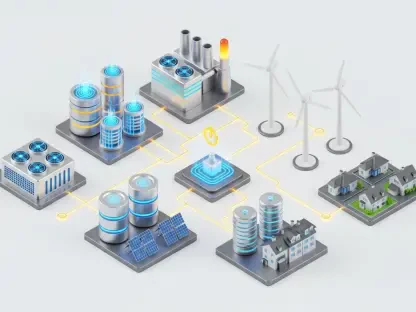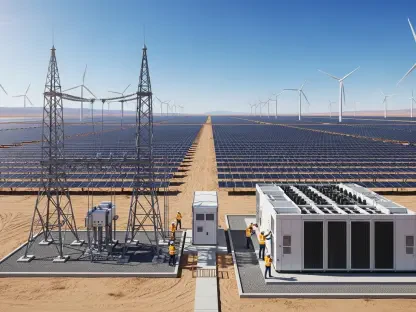

The vast, interconnected network of transmission lines sprawling across the Western United States is currently undergoing its most significant transformation since the dawn of the electrical age. As energy consumption patterns shift rapidly toward high-density loads and electric transportation, the legacy architecture of the grid faces a precarious moment of reckoning. For decades, the system operated as a patchwork of localized utility islands, but modern demands have exposed the inherent vulnerabilities of this fragmented approach. Today, the regional power dynamic is shifting from isolated management to a unified strategy that treats the entire Western Interconnection as a single, living organism capable of balancing load and generation across vast geographic distances.
This systemic evolution is largely steered by the Western Transmission Expansion Coalition, an organization known as WestTEC that has become the primary architect for regional planning. By moving away from parochial interests, the coalition aims to create a streamlined framework that ensures energy reliability for millions of residents. Transmission infrastructure serves as the primary artery for economic and social stability in Western states, functioning as the vital link between energy production and the communities that depend on it. Without a coordinated expansion, the grid remains susceptible to localized failures that could cascade into regional crises, threatening the very foundation of the Western economy.
The Critical Evolution of the Western Interconnection and Regional Power Dynamics
Evaluating the current state of the Western electrical grid reveals a system strained by decades of underinvestment and shifting environmental realities. The infrastructure that once sufficed for a slower-paced industrial era is now struggling to keep pace with the instantaneous demands of a digital society. Systemic vulnerabilities are particularly evident during peak summer months when cooling demands surge, testing the limits of thermal capacity and hardware resilience. The role of WestTEC has therefore become indispensable, providing the analytical rigor needed to identify where the existing lines are most likely to fail and where new investments will yield the greatest impact.
Shifting to a coordinated Western Interconnection model represents more than just a technical upgrade; it is a fundamental change in how energy policy is enacted across state lines. In the past, utilities focused almost exclusively on their own service territories, often resulting in redundant projects or missed opportunities for resource sharing. The new paradigm emphasizes the significance of shared infrastructure as a buffer against volatility. By treating the grid as a regional asset, states can leverage diverse energy profiles, such as coastal wind and desert solar, to maintain a steady flow of electricity even when local conditions are unfavorable.
Analyzing the Drivers and Projections for Regional Energy Modernization
Catalysts for Change: Electrification, Climate Stressors, and Resource Shifts
The primary catalyst for this massive grid overhaul is a projected 30 percent surge in energy demand expected by 2035, a figure largely driven by the expansion of data centers and the widespread electrification of buildings and transit. This rapid growth in consumption coincides with the scheduled retirement of legacy generation resources, such as aging coal and gas plants, which have historically provided the backbone of grid stability. As these traditional power sources go offline, the necessity for a more flexible and responsive transmission network becomes an urgent priority to ensure that new, variable power sources can reach the market without interruption.
Navigating climate-induced volatility also requires a level of cross-border resource sharing that was previously unneeded. Extreme weather events, including prolonged heatwaves and unpredictable winter storms, are no longer statistical outliers but recurring stressors that demand immediate structural responses. A modernized grid allows for the rapid redirection of power from surplus regions to those facing emergency shortages, effectively creating a safety net for the entire West. This adaptability is essential for maintaining service during periods of environmental duress, ensuring that the lights stay on even as the climate becomes less predictable.
Mapping Growth: Market Data and the 12,650-Mile Infrastructure Goal
Reviewing the WestTEC 10-Year Horizon projections highlights a monumental engineering task, calling for the creation and upgrade of 12,650 miles of transmission lines. While these numbers are daunting, they represent the minimum threshold required to maintain current reliability standards in the face of rising demand. Currently, there is a visible gap between existing projects and the additional 3,300 miles required to fully stabilize the grid. Addressing this shortfall is the immediate focus of regional planners, who must balance the logistics of construction with the technical requirements of high-voltage transmission.
Forecasting the long-term expansion toward 2045 involves analyzing upcoming 20-year strategic reports that look beyond immediate needs. These documents serve as a roadmap for future-proofing the grid against technologies and industrial trends that are still in their infancy. By identifying potential load centers decades in advance, utilities can begin the lengthy process of permitting and site acquisition today. This proactive stance is intended to prevent the kind of reactive, emergency spending that often leads to higher costs for consumers and less efficient infrastructure placement.
Overcoming the Transmission Bottleneck and Systemic Inefficiencies
Solving the chronic underutilization of current assets is a priority that rivals the construction of new lines. Analysts have noted that many existing transmission corridors operate at only a fraction of their theoretical capacity, often due to outdated management software or hardware limitations. By optimizing the latent 70 percent capacity of these lines through advanced sensors and dynamic ratings, utilities can significantly increase throughput without the environmental footprint of a new project. This approach provides a crucial bridge between the immediate need for more power and the long-term goal of building out the physical network.
Bridging the infrastructural gap between remote generation sites and urban load centers remains one of the most significant hurdles for the industry. Much of the new energy production is located in rural areas far from the cities where it is most needed, creating a geographic mismatch that stresses the existing transmission backbone. Mitigation strategies for project delays now focus on early engagement with Tribes and local communities to ensure that projects are developed with cultural and environmental sensitivity. This collaborative spirit is intended to reduce the legal and social friction that has historically bogged down major infrastructure ventures.
The Regulatory Landscape and the Shift Toward Unified Market Integration
The Western Power Pool plays a central role in facilitating the multi-state regulatory cooperation required for such a massive undertaking. Without a unified set of rules, the physical expansion of the grid would be hampered by a thicket of conflicting state mandates and permitting requirements. Leveraging the success of the Western Energy Imbalance Market has shown that policy alignment is not only possible but highly profitable. This market framework allowed participants to trade energy in real-time, proving that a more integrated system can lower costs while enhancing the overall reliability of the regional power supply.
Compliance and standardization are the cornerstones of a framework that allows for seamless energy trading across state lines. Creating these standardized regional transmission protocols ensures that utilities can operate with a high degree of certainty, knowing that their investments will be compatible with the broader network. This move toward standardization also enhances grid security, as a unified system is easier to monitor and protect against both physical and cyber threats. By establishing clear guidelines for operation and investment, the region is laying the groundwork for a more mature and resilient electricity market.
Future Outlook: Technological Innovation and the $4.70 Return on Investment
Exploring the transition to a mature regional electricity market reveals a landscape where technological innovation drives down costs for all stakeholders. The financial evolution of grid spending is often misunderstood by the public, but the data suggests that every dollar invested in transmission yields a return of $4.70 in total consumer benefits. These returns are realized through reduced congestion costs, lower energy prices from more efficient generation sources, and a dramatic reduction in the economic losses associated with power outages. This high return on investment makes the case for grid expansion a matter of economic common sense.
Emerging technologies in smart grid management and high-efficiency transmission hardware are also playing a larger role in the 2045 energy landscape. High-voltage direct current lines and advanced conductor materials allow for the movement of electricity over longer distances with minimal loss, which is critical for a region as geographically vast as the Western United States. Adapting to long-term uncertainties requires a right-sizing of infrastructure that can accommodate both centralized and decentralized energy sources. This flexibility ensures that the grid remains relevant regardless of how energy production technology evolves in the coming decades.
Securing a Resilient Energy Future Through Proactive Collaboration
The strategic necessity for 12,650 miles of grid upgrades became the primary focus for policymakers seeking to ensure long-term affordability and security. By acknowledging the transition from a fragile, strained system to a robust, interconnected network, stakeholders moved toward a future defined by stability rather than crisis management. The roadmap established by WestTEC offered a clear path for maintaining momentum in regional planning, emphasizing that transparency and community partnership were as important as the steel and wire used in construction.
The transition toward a modernized electrical backbone functioned as a catalyst for broader Western economic stability. Leaders recognized that a reliable grid was the prerequisite for industrial growth and the successful electrification of the modern economy. Actionable next steps involved the continuous refinement of the 20-year strategic plans to account for emerging data centers and shifting population centers. By prioritizing these regional investments, the Western United States secured its position as a leader in energy innovation, ensuring that the power remained affordable and accessible for all who relied upon it.