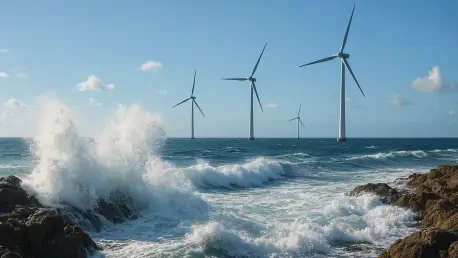

The outcome of the litigation against the Trump administration will likely determine if state-mandated renewable energy goals can survive aggressive federal opposition. Coastal states are currently clashing with Washington over the sudden and controversial reversal of offshore wind approvals that were intended to bolster the national grid. California and New York, leading a seven-state coalition, argue that the federal government is overstepping its authority by paying developers to scrap green energy infrastructure. This unprecedented strategy involves using taxpayer funds to dismantle projects that were already vetted and ready for implementation. By offering nearly $4 billion in buybacks, the administration aims to neutralize the offshore wind sector, which it views as an economic burden. However, state officials contend that this interference threatens the grid stability of high-demand regions. The litigation highlights a massive rift between federal executive power and the sovereign rights of states to define their own energy portfolios. This legal battle represents a critical juncture for American infrastructure planning through 2026.
The Financial Stakes and Taxpayer Impact
At the heart of the legal challenge is the specific allocation of $1.4 billion earmarked for Invenergy and Bluepoint Wind to abandon their ventures on both the Atlantic and Pacific coasts. Attorneys general argue that these “backroom deals” are a direct misuse of public funds intended to improve national energy security. Instead of fostering competition or lowering costs, these payouts effectively bribe private entities to halt progress on projects that would have provided clean electricity to millions of households. From the perspective of California Attorney General Rob Bonta, this redirection of resources is a deliberate attempt to force consumers back toward more expensive and volatile fossil fuel sources. The states assert that the administration is manufacturing an artificial energy crisis by stripping away lower-cost alternatives. This financial maneuvering not only impacts the current fiscal year but also sets a dangerous precedent for how federal agencies can unilaterally dissolve standing contracts to satisfy ideological agendas.
Beyond the immediate payouts to energy firms, the litigation emphasizes the long-term economic damage to regular citizens. New York Attorney General Letitia James has voiced concerns that removing wind energy from the supply chain will inevitably lead to higher utility bills for families already struggling with inflation. As the demand for electricity continues to surge due to the expansion of data centers and the electrification of transportation, the loss of large-scale offshore wind leaves a void that states must fill with more expensive, traditional power generation. The lawsuit alleges that the Trump administration’s actions prioritize the profits of the fossil fuel industry over the economic well-being of the American public. By intentionally sabotaging the development of renewable energy hubs, the federal government is essentially picking winners and losers in the marketplace. This intervention disrupts the private investment landscape, making it difficult for future energy projects to secure financing without the fear of sudden, federally-mandated termination.
Federal Intervention and National Energy Divergence
This legal conflict represents more than just a disagreement over specific wind farms; it reflects a fundamental divide in the vision for America’s energy future. While many states have enacted laws requiring a transition to carbon-free power by specific deadlines, the current federal stance is one of outspoken opposition to wind technology. The administration’s preference for fossil fuel dominance creates significant friction with state-level environmental mandates that have been years in the making. AG Bonta has characterized these federal hurdles as unnecessary distractions that ignore the required scale and speed necessary to modernize the aging national grid. This divergence in policy creates a fragmented energy market where regulatory certainty is nonexistent. Companies operating across state lines now face a contradictory landscape of federal discouragement and state-level incentives. This misalignment threatens to stall infrastructure development from 2026 to 2029, potentially leaving the United States behind other nations currently scaling their offshore capabilities.
The resolution of this case served as a litmus test for the boundaries of executive authority over regional energy markets. Legal experts observed that the outcome established whether the federal government could legally dismantle state-approved infrastructure through financial coercion. For states committed to renewable targets, the next logical step involved strengthening local legislative frameworks to insulate energy projects from federal volatility. This included exploring new legal pathways to protect state-issued permits and creating regional power compacts that operated independently of federal buyback initiatives. Proponents of energy independence noted that diversifying the power mix remained the most viable strategy for long-term price stability. Moving forward, stakeholders in the energy sector were advised to monitor these judicial rulings closely, as they dictated the viability of private-public partnerships in the green space. The litigation eventually underscored the necessity of a unified national strategy to ensure that competing political ideologies did not compromise the reliability and affordability of the American power grid.