In recent times, the strain on the power grid has intensified, driven by the ever-growing demand for electricity. With calls for cleaner energy sources growing louder, the existing grid interconnection processes are often slow and cumbersome, creating significant bottlenecks within power markets.

The soaring demand for artificial intelligence and IT services is reshaping the landscape of data centers, leading to significant shifts in power consumption patterns. With the industry's rapid transformation, a crucial element of analysis is how the sector can overcome power challenges while
Electricity supply plays a significant role in modern society, supporting essential services and economic stability. Power industries must maintain uninterrupted access to this vital resource. As energy landscapes evolve, technological and regulatory intricacies profoundly influence how effectively
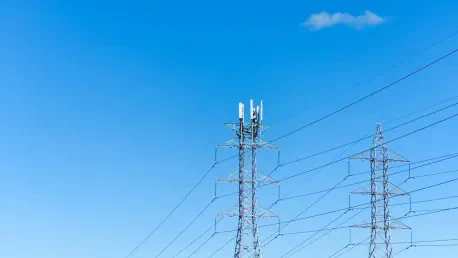
Oregon's groundbreaking legislative efforts focusing on microgrid development have sparked a transformative wave in the energy sector. These initiatives are poised to address critical challenges related to grid reliability and environmental impacts. As the state embraces decentralization in energy

California has long been a leader in championing environmental initiatives, often acting as a blueprint for other states with its comprehensive climate goals and innovative energy strategies. However, recent budgetary decisions cast uncertainty on the state's ability to maintain its progressive
In an era where power demand surges to unprecedented levels, the utility industry confronts significant challenges, particularly with a forecasted 50% rise in electricity consumption by 2050 in the United States, driven by factors such as the proliferation of electric vehicles and an increase in