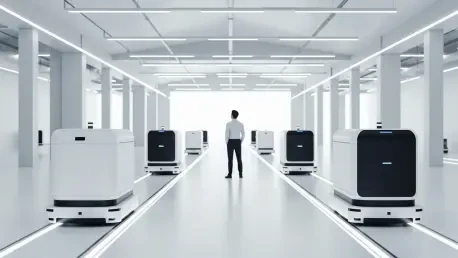

The global industrial landscape is currently navigating a high-stakes transition where the traditional reliance on manual oversight is rapidly giving way to a new era of digital self-sufficiency. As volatility becomes the standard in global markets, energy and chemical sectors are shifting their focus toward autonomous operations to maintain a competitive edge. Recent data indicates that the urgency surrounding this transition is intensifying, with a significant portion of industry leaders now viewing advanced autonomy as their primary strategic objective for the next decade. This evolution is no longer just about incremental efficiency; it is a fundamental repositioning designed to ensure long-term resilience in an unpredictable economic climate.
The Shift Toward Autonomous Operations in Modern Industry
The move toward autonomy represents a departure from the rigid automation of previous decades, favoring systems that can sense, learn, and adapt without constant human intervention. Today, facilities are required to manage unprecedented levels of data and energy consumption, making manual control increasingly impractical. This strategic pivot is largely motivated by the need for “self-optimizing” systems that can maintain peak performance even as external conditions fluctuate. By embracing these sophisticated digital frameworks, industrial organizations are attempting to build a foundation that can withstand the pressures of a rapidly changing global economy.
From Mechanization to Self-Optimizing Systems
Understanding the current momentum requires a look at how industrial needs have scaled alongside technological capabilities. Historically, the focus remained on mechanization to drive throughput, but the modern environment is defined by a massive surge in electricity demand. With projections suggesting that power consumption from AI infrastructure and data centers could reach 1,000 TWh by 2030, legacy systems are simply unable to keep pace. This historical shift explains why the industry is now prioritizing the ability to manage complexity at a scale that exceeds human capacity for real-time manual control, marking the end of the traditional operator-led era.
The Drivers and Challenges of Autonomous Adoption
Technological Enablers: The Central Role of AI
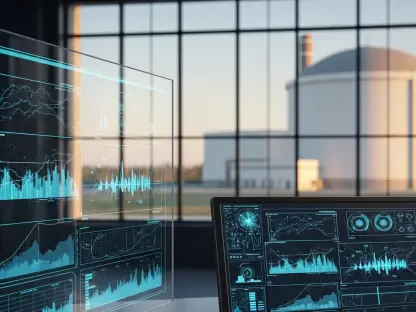
Artificial Intelligence (AI) has emerged as the primary engine driving this industrial transformation, serving as the connective tissue between disparate data points and physical assets. Nearly half of modern industry leaders identify AI as the most critical enabler for autonomy, allowing for the creation of digital twins and software-defined automation. These tools do more than just follow instructions; they predict equipment failures and optimize energy usage in real-time. While these advancements offer clear benefits for operational agility, they also require a significant commitment to building robust digital infrastructures that can handle heavy data loads while remaining resilient against external threats.
Overcoming Barriers: Financial and Legacy Constraints
Despite the clear strategic advantages, the path to a fully autonomous facility is often blocked by significant financial and technical hurdles. High upfront capital requirements remain a primary concern for over a third of executives, who must justify the cost of modernization against immediate bottom-line pressures. Furthermore, the technical difficulty of integrating cutting-edge software with aging legacy hardware creates a friction point that slows adoption. Beyond the technicalities, internal organizational resistance remains a factor, as shifting a corporate culture from traditional methods to an autonomous philosophy requires a complete overhaul of long-standing operational habits.
Human-Centric Evolution: Addressing the Talent Shortage
A common misconception is that autonomy is designed to eliminate the human element from production; however, the reality is focused on mitigating a global talent crisis. In regions like North America, where specialized technical roles are becoming harder to fill due to an aging workforce, autonomous systems act as a force multiplier. By automating routine and dangerous tasks, companies empower their existing staff to focus on high-value strategic decision-making. This approach ensures that human expertise is applied where it is most impactful, enhancing overall safety and reliability without requiring an impossible number of new hires in a depleted labor market.
Emerging Trends and the Future Industrial Landscape
The next few years are expected to see a massive acceleration in autonomous maturity, particularly as Western markets attempt to close the gap with infrastructure leaders in Asia. We are likely to witness a wave of new investments driven by the dual pressures of electrification and the AI revolution. This will likely lead to more stringent cybersecurity regulations as industrial assets become more interconnected and decentralized. Future facilities will operate less like static machines and more like living organisms, constantly sensing environmental shifts and adjusting their output to meet both market demands and sustainability requirements in real-time.
Strategic Recommendations for an Autonomous Future
To successfully navigate this transition, organizations must move beyond reactive technology adoption and incorporate autonomy into their core business models. Prioritizing the integration of digital twins provides the visibility necessary to identify inefficiencies before they impact the bottom line. Additionally, a heavy emphasis must be placed on upskilling the current workforce to ensure they can effectively manage and collaborate with autonomous systems. Finally, addressing cybersecurity at the architectural level of every project is non-negotiable. Those who treat these advancements as a central pillar of their strategy will find themselves much better positioned to maintain operational continuity and market relevance.
Autonomy as the Cornerstone of Resilience
The transition toward autonomous operations fundamentally redefined the industrial sector, establishing a new standard for how energy and chemicals were managed on a global scale. Leaders recognized that bridging the gap between digital intelligence and physical power management was the only way to protect margins in a volatile era. This shift successfully moved the industry toward a model where self-optimizing systems handled the heavy lifting of real-time adjustments, allowing human teams to reclaim their roles as strategic architects of production. Ultimately, the adoption of these technologies proved to be the essential move that secured the resilience of the global industrial backbone for the years that followed.