
The current acceleration of artificial intelligence and cloud computing has transformed California’s electrical landscape into a high-stakes environment where every megawatt counts. As the California Independent System Operator (CAISO) manages the complex flow of electricity across the state, it faces an unprecedented challenge: the rapid emergence of massive data centers that consume as much power as entire mid-sized cities. This surge in demand is not merely a technical hurdle but a systemic shift that tests the very limits of the existing transmission infrastructure. To maintain a steady and reliable supply of energy, the grid operator has initiated a critical strategic review aimed at balancing these gargantuan industrial loads with the daily needs of millions of residential consumers. This effort marks a turning point in how energy policy is drafted, moving away from reactive measures toward a sophisticated, forward-thinking framework that prioritizes long-term grid stability and financial equity for all.
Projecting the Impact of Exponential Load Growth
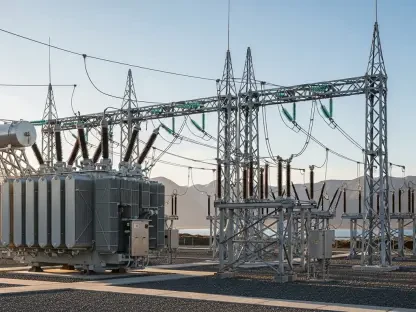
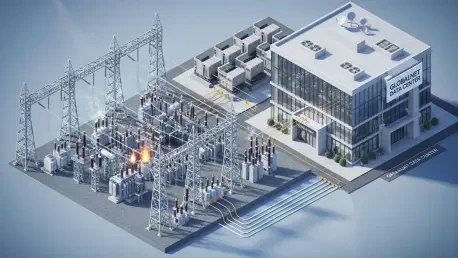
The sheer magnitude of the incoming energy requirements is staggering, with current projections indicating that data center demand within the CAISO footprint could reach 4.9 GW by 2040. This trajectory suggests a massive increase from current levels, representing a significant portion of the total generation capacity available to the state. Such growth is driven by the localized concentration of technology giants who require 24/7 uptime and immense cooling capacities to sustain their operations. Unlike traditional industrial loads, these facilities often scale rapidly, outpacing the traditional timelines associated with transmission planning and resource procurement. Consequently, CAISO is tasked with identifying exactly where these clusters will form and how the high-voltage lines must be reinforced to prevent bottlenecks. The agency is currently working with the California Energy Commission to refine these forecasts, ensuring that the infrastructure roadmap is grounded in realistic data rather than optimistic speculation.
Beyond the raw numbers, the unique geographic and regulatory climate of California adds a layer of complexity to these growth projections that other regions might not face. The state’s aggressive decarbonization goals mean that this new demand must be met while simultaneously transitioning away from fossil fuels, placing a premium on renewable generation and storage. Integrating several gigawatts of data center load requires more than just building more lines; it necessitates a fundamental rethink of how the grid architecture supports localized energy density. CAISO is exploring regional strategies that align these high-demand centers with areas of surplus renewable generation to minimize transmission losses. This localized approach is critical because a one-size-fits-all strategy could lead to stranded assets or inefficient energy distribution. By focusing on the specific needs of California’s grid, the operator is attempting to build a resilient system that supports technological innovation without compromising the state’s environmental mandates or its operational integrity.
Navigating Infrastructure Costs and Interconnection Speed
One of the most contentious aspects of this transition involves the financial responsibility for the extensive transmission upgrades required to support massive new loads. In the past, the costs of grid expansion were often socialized across all ratepayers, but the specialized nature of data center infrastructure makes this traditional model increasingly difficult to justify. There is a growing concern that residential customers and small businesses might end up subsidizing the multi-million dollar high-voltage connections specifically requested by private corporations. CAISO is currently analyzing various cost-allocation frameworks to ensure that the burden is distributed fairly between developers and the public. This involves a granular assessment of which upgrades provide a general benefit to the grid and which are strictly dedicated to a single large-scale customer. Establishing clear, equitable rules is essential to maintain public trust in the energy market while providing the private sector with the cost certainty it needs to proceed with investments.
Alongside financial concerns, the technology sector’s characteristic demand for rapid deployment has created a “speed to power” conflict with traditional grid management timelines. Developers often seek expedited interconnection processes to get their facilities online within months, whereas the planning and construction of major transmission lines typically take years. CAISO is investigating ways to streamline these connections without bypassing essential safety and reliability protocols. Any attempt to fast-track these large loads must still comply with the stringent standards set by the North American Electric Reliability Corporation to avoid creating vulnerabilities in the wider network. The challenge lies in creating a flexible “express lane” for interconnection that does not prioritize private profit over the stability of the public utility. By refining these procedures, CAISO hopes to provide a more responsive service model that reflects the fast-paced nature of the digital economy while ensuring that every new connection is fully integrated into the system’s defensive operational strategies.
Improving Grid Visibility and Forecasting Accuracy
The rise of data centers is occurring in tandem with an explosion in Distributed Energy Resources, including behind-the-meter battery storage and onsite solar arrays. While these technologies help data centers achieve their sustainability goals, they also create a significant “visibility” problem for grid operators who must manage real-time supply and demand. When a massive facility can switch between drawing from the grid and using its own internal power reserves at a moment’s notice, the predictability of the overall system load decreases. This lack of transparency forces CAISO to maintain higher levels of expensive, fast-acting reserves to guard against sudden, unexpected shifts in demand. To address this, the agency is pushing for better data-sharing agreements that would give grid controllers a more accurate view of how these large loads are behaving behind the meter. Enhanced visibility is not just a technical preference but a necessity for maintaining a balanced frequency across the high-voltage network during periods of extreme weather or high net peak demand.
To manage this uncertainty, CAISO is developing next-generation forecasting tools that leverage machine learning to anticipate the behavior of co-located energy systems. These advanced models are designed to process vast amounts of telemetry data from both the grid and individual large-scale users, providing a more nuanced picture of daily energy cycles. By moving away from static load profiles and toward dynamic, real-time forecasting, the operator can better optimize the dispatch of generation resources and reduce the reliance on carbon-intensive peaking plants. This evolution in forecasting accuracy also allows for more efficient participation of data centers in demand-response programs, where they can be incentivized to reduce their draw during grid emergencies. Integrating these facilities as active participants rather than passive consumers turns a potential liability into a flexible asset. As these forecasting capabilities improve, the relationship between the grid and its largest users will become more symbiotic, fostering a higher level of cooperation.
Aligning with National Standards and Risk Management
Federal oversight plays a pivotal role in how California manages its burgeoning data center market, as CAISO must remain in close coordination with agencies like the Federal Energy Regulatory Commission. Recent federal directives have emphasized the need for a national dialogue on large load interconnections, prompting a search for standardized practices that can be applied across different regional jurisdictions. By participating in these national forums, CAISO ensures that its local policies do not conflict with emerging federal rules, which could lead to legal delays or regulatory confusion. This alignment is particularly important for interstate energy transfers, as the demand in California often influences the wider Western Interconnection. Following these national trends allows the state to adopt proven best practices from other regions that are also seeing significant data center growth. This collaborative approach helps create a stable regulatory environment that attracts investment while upholding the physical integrity of the long-distance power lines.
The ultimate goal of these strategic initiatives is to transition from a reactive, project-by-project approach toward a comprehensive, unified risk-management framework. This shift is designed to address the multifaceted threats that large loads pose to the financial, operational, and physical security of the grid. Instead of treating each new data center as an isolated request, CAISO is looking at the cumulative impact of these developments on the entire transmission network. This high-level perspective allows for more strategic planning of regional “energy hubs” that can support multiple high-capacity facilities with a single, robust infrastructure project. By consolidating demand in this way, the operator can minimize the environmental footprint of new construction and reduce the overall cost of grid expansion. This policy evolution is aimed at creating a long-term blueprint for California’s digital future, ensuring that as the state powers the next wave of technological breakthroughs, the energy market remains a reliable and equitable foundation.
Future Considerations and Strategic Implementation
The strategic dialogue initiated by CAISO focused on the necessity of proactive infrastructure investment and rigorous stakeholder engagement to secure the future of the grid. It was determined that the most effective path forward involved the implementation of localized pilot programs that tested new demand-response technologies within specific data center clusters. These initiatives allowed the operator to gather real-world data on how high-density loads interacted with the existing transmission network under various stress conditions. Furthermore, the agency prioritized the development of clear financial guidelines that protected residential ratepayers from the high costs of industrial expansion. By establishing these guardrails, California demonstrated a commitment to balancing economic growth with social equity. The results of these early efforts provided a clear roadmap for other regional grid operators who were struggling with similar surges in energy demand, proving that a transparent and data-driven approach could mitigate the risks of industrial transformation.
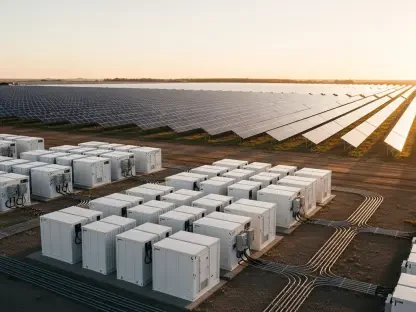
Moving forward, the emphasis shifted toward the integration of long-duration energy storage as a primary tool for managing the massive fluctuations in data center demand. This solution addressed the immediate need for grid stability while supporting the state’s broader clean energy objectives by storing surplus renewable power for use during peak hours. Stakeholders were encouraged to collaborate on the development of shared-resource microgrids that could provide backup power to multiple facilities, reducing the strain on the primary transmission lines. This collaborative model encouraged private developers to invest in their own resilience, which in turn strengthened the overall reliability of the state’s energy infrastructure. As these policies matured, the focus remained on refining the communication protocols between grid operators and large-scale energy users to ensure a seamless flow of data. By fostering an environment of transparency and innovation, California successfully created a resilient energy ecosystem that was capable of supporting the next generation of technological advancements.