
The Fragility of Interconnected Systems in a Volatile Climate
The recent atmospheric bombardment across the Northeastern United States serves as a chilling testament to how quickly a sequence of seventy-mile-per-hour gusts and two feet of snow can dismantle the perceived stability of a first-world electrical network. As extreme weather events transition from anomalies to recurring seasonal threats, the reliance on a centralized power grid increasingly appears to be a high-stakes gamble. This volatility necessitates a deep dive into why modern systems buckle under freezing pressures and what the path to resilience looks like in a period of shifting climate norms.
Infrastructure experts often note that the traditional model of energy distribution was never designed to withstand the sheer frequency of today’s “bomb cyclones.” The current architecture relies on a delicate balance of supply and demand that assumes a relatively stable environment. However, when nature deviates from these norms, the lack of built-in redundancy within centralized systems becomes a glaring liability. The focus is shifting toward a critical examination of how energy security can be maintained when the environment itself has become a primary adversary to public safety.
The Cascading Failure of Legacy Infrastructure
Analyzing the Mechanics of Grid Collapse During Deep Freezes
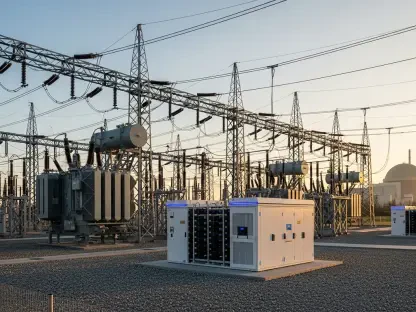
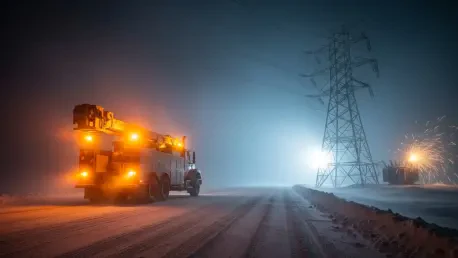
When hundreds of thousands of customers lose power simultaneously, the event is rarely the result of an isolated equipment failure but rather a “domino effect” inherent in centralized distribution. In states like Massachusetts, the combination of heavy, wet snow and high-velocity gusts creates a lethal environment for overhead lines. Meanwhile, the surge in heating demand pushes generation capacity to its absolute limit, leaving little margin for error. Mechanical failures at the substation level can paralyze entire regions, leaving utility giants like Eversource and National Grid struggling to restore function while emergency responders navigate impassable, darkened corridors.
Industry observers suggest that the age of the current infrastructure plays a decisive role in these failures. Many components of the regional grid have exceeded their intended lifespans, making them more susceptible to the physical stress of ice accumulation and wind shear. This mechanical vulnerability is compounded by the sheer scale of the network, where a single downed transmission tower can trigger a massive surge that knocks out surrounding substations. The complexity of the system, while efficient for moving large amounts of power, lacks the granular control needed to isolate damage during widespread meteorological events.
The Economic and Logistical Paralysis of Regional Storms
Infrastructure vulnerability extends far beyond the light switch; it ripples through the entire supply chain, grounding regional economies through commercial travel bans and thousands of flight cancellations. State-level emergencies and the mobilization of the National Guard underscore a reality where a grid failure forces a total suspension of civic life. Case studies from the Hudson Valley and Long Island illustrate how the interplay between transportation blocks and utility outages creates a feedback loop that delays restoration and compounds the human cost.
The economic impact of such paralysis is staggering, as the closure of international hubs like the United Nations and the shuttering of school districts halt both commerce and governance. Logistical hurdles, such as the inability of repair crews to reach damaged sites due to unplowed roads, demonstrate the interconnected nature of modern survival. When the power goes out, the digital and physical infrastructure required to coordinate a response often disappears with it, turning a weather event into a prolonged societal crisis.
Lessons from Global Shifts Toward Decentralized Energy
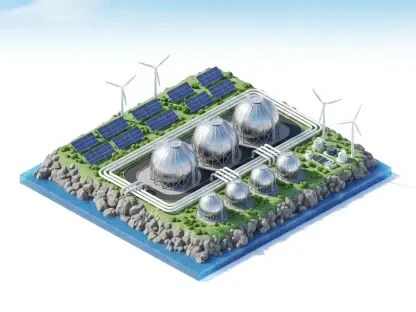
While the United States continues to grapple with traditional grid maintenance, emerging trends in regions like Cuba suggest that decentralization may be a viable defense against infrastructure instability. Citizens facing chronic fuel shortages and outages are increasingly turning to small-scale solar installations to maintain household and business operations. This pivot toward “micro-grids” challenges the Western assumption that a massive, interconnected grid is always superior, offering a blueprint for how renewable energy can serve as a critical redundant system during climate-induced emergencies.
Analysts argue that moving toward localized energy production reduces the “single point of failure” risk that plagues larger networks. By generating and storing power at the point of consumption, communities can insulate themselves from regional collapses. This model provides a “lifeboat” for essential services, ensuring that even if the primary grid fails, hospitals, communication hubs, and private residences can maintain basic functionality. This shift represents a fundamental change in how energy security is perceived, prioritizing local autonomy over centralized efficiency.
Assessing the Human Impact and the Limits of Government Intervention
Beyond the statistics of snowdrifts and voltage drops are the personal narratives of families physically trapped by unprecedented weather patterns, highlighting a growing “resilience gap.” Despite robust governance and proactive emergency declarations, the modern grid remains a vulnerability that often outpaces the ability of state agencies to respond. This tension between public policy and the physical reality of climate change raises questions about whether current disaster management strategies are sufficient for an era of increasingly violent storms.
The human element of grid failure is often the most difficult to address through traditional policy. Families on Long Island reported being unable to leave their homes due to massive drifts, even as the electricity required to heat those homes vanished. While government intervention can provide temporary relief through the National Guard or emergency shelters, these are reactive measures. The gap between the onset of a storm and the restoration of services remains a dangerous period where individuals are forced to rely on their own preparations or lack thereof.
Strategies for Fortifying Energy Security and Public Safety
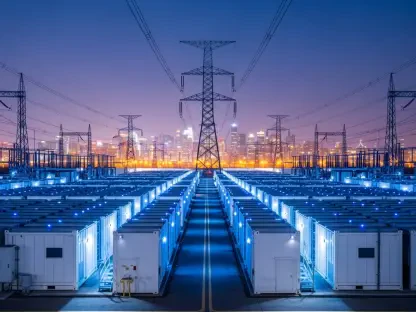
To mitigate the risks posed by future winter storms, utility providers and policymakers must prioritize “grid hardening” techniques. This includes the undergrounding of critical lines and the integration of AI-driven predictive maintenance to identify weak points before a storm arrives. Diversifying the energy mix through localized renewable sources can provide a necessary backup for essential services when the main grid fails. Homeowners and businesses are also encouraged to move toward proactive self-sufficiency by investing in battery storage and smart-home technologies that allow for autonomous operation during prolonged utility disruptions.
Furthermore, public-private partnerships could accelerate the deployment of micro-grids in vulnerable coastal and rural areas. By incentivizing the installation of solar and wind backups at the neighborhood level, the overall load on the primary grid is reduced during peak demand. This strategy not only enhances physical resilience but also provides economic stability by preventing the total shutdown of local commerce. Educational campaigns regarding home weatherization and emergency energy management are also becoming essential components of modern public safety initiatives.
Reimagining a Climate-Resilient Energy Future
The recurring paralysis of the modern grid during winter extremes confirmed that the status quo was no longer sustainable. Energy systems shifted from rigid, centralized structures into flexible, hybrid networks capable of absorbing the shocks of a changing environment. The integration of decentralized renewables and smarter infrastructure became more than an environmental policy; it was recognized as a fundamental requirement for national security. Communities that embraced localized power generation found themselves better equipped to withstand the elements, while those relying solely on aging legacy systems faced increasing risks. Ultimately, the transition toward a more resilient energy landscape ensured that public safety was no longer at the mercy of the next great storm.