
The sheer magnitude of the global computing surge has effectively ended the era of stagnant energy demand, forcing a radical reimagining of how the world generates carbon-free power. While the dream of a nuclear-powered future remained dormant for decades, the urgent, “always-on” requirements of artificial intelligence have suddenly provided the massive financial engine necessary to restart the industry. Today, the relationship between data processing and atomic energy is no longer a theoretical partnership but a primary driver of infrastructure innovation across the globe.
This transformation represents a pivot from traditional utility models toward a more agile, tech-driven approach to energy. Hyperscale computing has transitioned from being a mere consumer of grid resources to becoming the principal architect of new power solutions. As the world pushes toward the ambitious goal of tripling nuclear capacity by mid-century, the momentum generated by the AI boom is proving to be the most critical variable in the equation.
Major tech leaders, often referred to as the “Big Tech” financiers, are now filling the role once reserved for federal governments. Companies like Google, Microsoft, and Amazon are no longer just buying offsets; they are directly funding the construction of advanced reactors. This shift ensures that the next generation of energy infrastructure is being built to satisfy the relentless appetite of neural network training and massive data processing hubs.
Market Dynamics: The AI Surge and the Financial Revitalization of Power
Emerging Trends and the Reliability Mandate
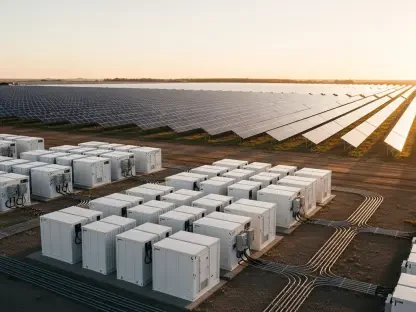
The inherent intermittency of wind and solar has created a reliability gap that current battery technology cannot yet bridge for industrial-scale operations. Data centers require constant, unwavering power to maintain the integrity of global digital services, making baseload nuclear energy the only viable carbon-free option. Consequently, the industry is moving toward microreactors and Small Modular Reactors (SMRs), which offer a localized and scalable alternative to the massive, monolithic power plants of the past.
Moreover, the rise of Corporate Power Purchase Agreements (PPAs) has revolutionized how these projects are funded. By signing long-term contracts directly with utility providers or reactor developers, tech giants are bypassing the bureaucratic and financial hurdles that typically stall nuclear projects. This direct-to-utility model provides the certainty needed to break ground on non-traditional designs that were once considered too risky for the public sector.
Data-Driven Growth and Performance Projections
For the first time in the current century, electricity demand is projected to grow at double-digit rates through the end of the decade. This trend is a direct result of the expansion of data center clusters that act as the physical backbone for generative AI. Investment benchmarks have shifted accordingly, with billions of dollars now flowing into advanced cooling techniques, such as fluoride-salt systems, and experimental projects involving pulsed magnetic fusion.
Capacity projections indicate that several gigawatts of nuclear power will join the grid through these private partnerships over the next few years. This influx of capital is not just about keeping the lights on at a server farm; it is about proving the commercial viability of advanced reactor designs. As these projects come online, they provide a blueprint for how private enterprise can accelerate the deployment of high-density energy sources.
Navigating Structural Hurdles: Challenges and Strategic Solutions
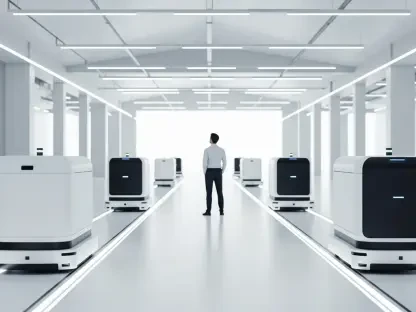
The path to a nuclear-powered AI economy is not without significant friction, particularly regarding capital intensity and construction timelines. While an AI model can be updated in weeks, a nuclear reactor takes years to permit and build. To address this mismatch, developers are focusing on standardized reactor designs that can be manufactured in factories and assembled on-site, drastically reducing the time between investment and power generation.
Public perception also remains a hurdle, though next-generation safety features are beginning to change the narrative. Passive safety systems, which rely on the laws of physics rather than mechanical pumps or human intervention to cool a reactor, offer a level of security that older designs lacked. Furthermore, the integration of these power sources into aging national grids requires significant logistical coordination to ensure stability as massive new loads are introduced.
Supply chain bottlenecks also persist, specifically concerning the specialized labor and nuclear-grade materials needed for advanced reactors. To mitigate these shortages, the industry is investing in vocational training programs and domestic enrichment facilities. Resolving these logistical constraints is essential to maintaining the current pace of deployment and ensuring that the energy transition does not stall due to a lack of physical components.
The Regulatory Framework: Policy Protections and Safety Standards
Regulatory bodies are currently adapting to the unique challenges posed by non-traditional reactor designs. The Nuclear Regulatory Commission and its international counterparts are evolving their frameworks to move away from a “one-size-fits-all” approach, allowing for more flexible oversight of SMRs and microreactors. This shift is crucial for maintaining safety while encouraging the rapid innovation required by the tech sector.
A “pay-to-play” model is also emerging at the state level to protect residential ratepayers from the costs of grid upgrades. Policies in regions with high data center density often require tech companies to provide the upfront capital for new generation and transmission infrastructure. This ensures that the benefits of the AI-driven nuclear renaissance do not come at the expense of local communities, creating a more equitable energy landscape.
National security and data sovereignty have also become central themes in the regulatory discussion. As AI becomes a tool of strategic importance, the need for domestic, secure energy sources to power these systems is paramount. By localized energy production, countries can protect their digital infrastructure from external shocks while simultaneously meeting environmental compliance mandates and long-term decarbonization goals.
The Horizon: Innovation and the Future of Energy-Intensive Computing
The future of computing and energy is increasingly defined by co-location strategies, where data centers are built directly adjacent to nuclear power plants. This “Nuclear Data Center” model eliminates the inefficiencies of long-distance transmission and provides a dedicated, secure energy supply. Microsoft’s fusion partnerships and Google’s fluoride-salt projects are early indicators of how deeply these two industries are merging.
Regions such as Arizona are already creating a template for this synergy, positioning themselves as hubs for both AI leadership and nuclear innovation. These “Silicon Deserts” utilize a combination of favorable policy and available land to attract high-tech investment. This geographic concentration of talent and technology facilitates the rapid testing and deployment of the next generation of power generation.
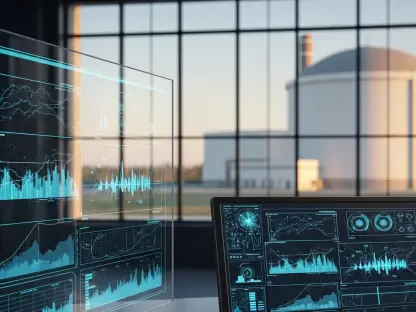
Long-term sustainability in this sector will likely be driven by AI itself. Advanced algorithms are being developed to optimize nuclear plant operations, from predictive maintenance that identifies potential failures before they occur to the precision management of the fuel cycle. This creates a feedback loop where AI improves the efficiency of the very power source that sustains its own existence.
Concluding Perspective: An Indispensable Partnership for a Carbon-Free Future
The realization that the global energy transition required a massive infusion of private capital led to the strategic alignment seen between the technology and nuclear sectors. By providing the consistent demand and financial backing that was previously absent, the AI industry acted as the catalyst for a revitalization of atomic power. This partnership moved the needle from theoretical climate goals to the physical construction of reliable, carbon-free infrastructure.
Moving forward, stakeholders focused on the intersection of energy and computing through investments in modular reactor manufacturing and grid-edge technologies. These areas offered the most significant potential for both economic returns and meaningful progress toward decarbonization. The integration of advanced safety protocols and autonomous operation systems became the standard for new deployments.
Ultimately, the expansion of high-performance computing served as the necessary bridge to a more resilient energy grid. The projects initiated during this period established a new paradigm where industrial growth and environmental stewardship were no longer mutually exclusive. This alignment ensured that the infrastructure of the future was built on a foundation of stable, sustainable, and high-density power generation.