
The North Sea is no longer just a source of oil and gas; it has become the bedrock of a radical transformation in how the United Kingdom powers its future. As global energy markets remain tethered to the unpredictable tides of geopolitical conflict, the race for domestic energy sovereignty has moved from political rhetoric to massive industrial application. The Hornsea 3 project stands at the center of this shift, representing a pivot toward a self-sustaining power grid that aims to shield consumers from the next international pricing crisis.
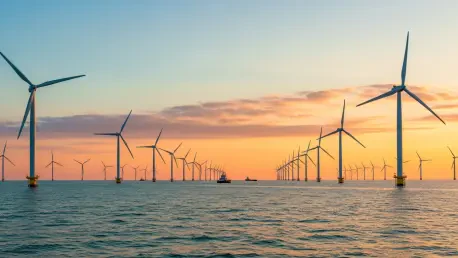
Developed by Ørsted, Hornsea 3 is not merely an incremental addition to the renewable portfolio but a gargantuan leap in scale. With a planned capacity of 2.9 gigawatts, it is set to become the world’s largest offshore wind farm, capable of powering over three million homes once it reaches full operation in 2027. This scale is essential for the national mandate to reach 50 gigawatts of offshore capacity by 2030, a goal that requires the integration of more wind power in the next four years than was installed in the previous decade.
Geographical patterns of energy production are shifting as the North Sea and East Anglia evolve into the central nervous system of the British power grid. While the turbines spin miles from the coast, their impact is felt deep inland as massive infrastructure projects bridge the gap between rural coastlines and urban industrial hubs. Major market players are now navigating a regulatory landscape that prioritizes rapid deployment to ensure that the transition away from fossil fuel dependency is both permanent and physically robust.
Reshaping the Grid: Technological Innovation and Market Dynamics
Emerging Trends in Renewable Infrastructure and Grid Integration
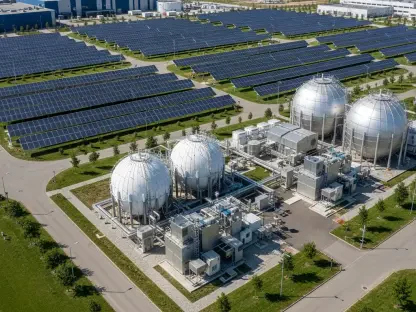
The transition has moved beyond conceptual climate targets into the physical reality of sophisticated converter stations and 30-mile underground cable corridors. Connecting these massive arrays to the national grid involves high-capacity export cables that must traverse diverse landscapes before reaching major connection points. This infrastructure represents a significant engineering feat, turning regions like Norfolk into vital energy gateways that channel massive amounts of power to high-demand centers.
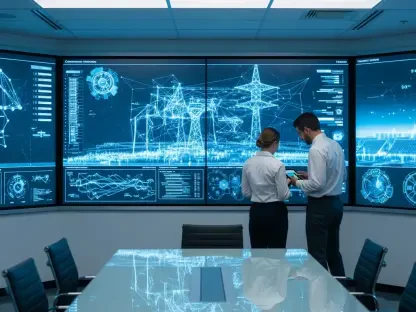
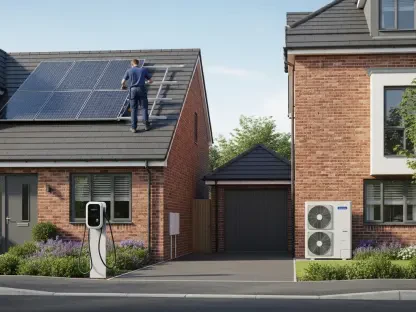
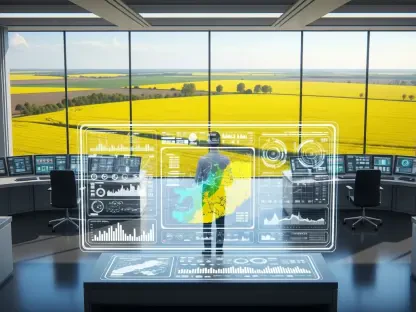
Technological sophistication at landfall points ensures that the power generated at sea is efficiently converted and managed to avoid bottlenecks. As electricity demand surges due to the proliferation of data centers, domestic heat pumps, and electric vehicles, the grid must be more than just powerful; it must be intelligent. Modern integration strategies now focus on ensuring that the surge in supply from projects like Hornsea 3 matches the evolving behavior of modern consumers who require constant, high-load connectivity.
Economic Projections and the Decoupling of Electricity Prices
The “merit order” effect is fundamentally changing the economics of the British utility market. By increasing wind penetration, the grid can increasingly squeeze expensive gas-fired plants out of the price-setting mechanism. Since renewable energy has near-zero marginal costs, its dominance during peak generation hours prevents international gas price spikes from dictating domestic electricity rates. This decoupling is a critical step in providing long-term stability for household and industrial bills.
Recent performance indicators already show the impact of this transition, with record-breaking wind generation saving billions of dollars in avoided gas imports. As Hornsea 3 comes online, these savings are projected to scale, providing a significant buffer against the volatility of global commodity markets. By relying on domestic wind rather than imported fuels, the economy becomes more resilient, turning the UK from a price-taker on the global stage into a more independent energy producer.
Navigating Political Volatility and Supply Chain Complexities
Political discourse surrounding “Net Zero” targets remains a point of friction, as populist narratives occasionally link renewable transitions to immediate consumer costs. However, these arguments often overlook the fact that the greatest drivers of inflation in recent years have been fossil fuel price shocks rather than infrastructure investment. Countering these narratives requires a transparent demonstration of how large-scale wind projects actually lower the long-term cost of energy security.
Logistical hurdles also present a significant challenge, as developers must manage a global supply chain during a period of geopolitical instability. From the procurement of rare earth metals to the manufacturing of massive turbine blades, the decade-long planning cycle is sensitive to trade disruptions. Overcoming local opposition and infrastructure bottlenecks in energy corridors remains a priority, requiring a balance between national strategic needs and the concerns of coastal communities.
The Regulatory Framework and National Security Mandates
The government drive for a self-sufficient power structure is supported by robust energy standards and financial mechanisms like “Contracts for Difference.” This framework was instrumental in securing the £8.5 billion investment required for Hornsea 3, providing the financial certainty needed for such a capital-intensive endeavor. Such subsidies are now viewed not just as environmental incentives, but as essential investments in national security and economic stability.
Compliance and security have also moved to the forefront of the regulatory agenda. Protecting critical subsea infrastructure from physical and cyber threats in the North Sea is a growing concern for defense and energy officials. Ensuring the integrity of the cables and converter stations that form the backbone of the grid is now considered a vital component of the nation’s broader defense strategy against external disruptions.
The Future Landscape: Innovation and Long-Term Energy Resilience
Looking ahead, the integration of battery storage and green hydrogen with offshore wind arrays represents the next frontier of market disruption. These technologies will allow the massive output of projects like Hornsea 3 to be stored and utilized even when the wind is not blowing, solving the problem of intermittency. This evolution will further solidify the role of offshore wind as a reliable, primary power source for the entire nation.
The economic ripple effects of these projects are already revitalizing coastal economies, with Hornsea 3 supporting thousands of construction jobs and permanent operational roles. This industrial rebirth is positioning the UK as a global leader in offshore technology, creating a template for energy exportation to neighboring European markets. As the infrastructure matures, the focus will likely shift toward maximizing the efficiency of these assets through advanced digital monitoring and maintenance.
Strengthening the UK’s Economic Shield Against External Disruptions
The investigation into the Hornsea 3 project confirmed that domestic wind infrastructure is the most viable path toward insulating the national economy from global volatility. While the project alone cannot solve every energy challenge, it provided a massive buffer against tensions in the Strait of Hormuz and other international gas supply risks. The transition from imported fossil fuel reliance to domestic renewable reliability was evidenced by the physical completion of critical landing points and the stabilization of wholesale prices. Future investments should prioritize the modernization of the national grid to ensure that the massive influx of offshore power can be distributed without loss or congestion. Policymakers and investors found that the strategic value of energy independence far outweighed the initial logistical complexities of the build-out.