
Modern data centers in the United Kingdom and Ireland are currently navigating a complex intersection of unprecedented power demand and increasingly stringent environmental regulations. These facilities serve as the backbone of the regional digital economy, yet the rapid shift toward high-density computing is placing immense pressure on existing power grids. Consequently, the demand for specialized power management expertise has surged, prompting market leaders like Socomec to introduce targeted energy audit initiatives. By addressing the overlap between digital infrastructure and grid stability, these audits help mission-critical sites align with global sustainability targets while maintaining operational integrity.
The proliferation of artificial intelligence and high-performance computing has fundamentally altered energy consumption patterns across the sector. Since AI-driven workloads require significantly higher rack densities, Power Usage Effectiveness has emerged as the definitive benchmark for determining the success of a facility. Organizations are increasingly looking toward retrofit energy intelligence as a viable alternative to the exorbitant costs associated with full infrastructure replacements. This strategy allows for the integration of modern sensors into existing frameworks, providing a clear path toward optimization without the need for complete reconstruction.
Strategic Drivers and Performance Metrics in the Modern Data Center
Emerging Trends: AI-Driven Workloads and the Push for PUE Optimization
Financial projections indicate that even marginal improvements in efficiency yield substantial rewards for operators in the current market. For instance, reducing a Power Usage Effectiveness ratio by a mere 0.1 can decrease total annual energy consumption by as much as eight percent, leading to six-figure savings for medium-sized facilities. The return on investment for modernizing metering infrastructure is becoming clearer as server rack monitoring provides the granular data necessary for long-term financial planning.
Market Data and Financial Projections for Energy Efficiency Initiatives
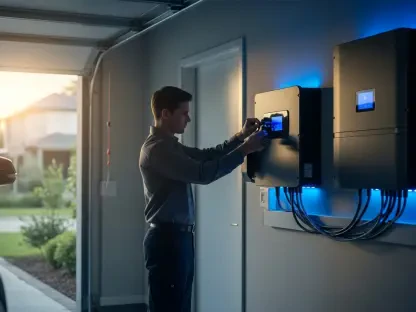
Integrating modern tools into established colocation environments presents unique technical challenges, particularly regarding legacy hardware. Operators must find ways to implement upgrades without causing operational downtime, which is a non-negotiable requirement for mission-critical services. Bridging the gap between raw data collection and actionable engineering insights remains a hurdle for many sustainability teams. However, strategic on-site inspections can identify where intelligence is lacking, providing a roadmap for necessary hardware updates.
Overcoming Technical and Financial Hurdles in Legacy Facilities
Utilizing tools that comply with the Measuring Instrument Directive helps resolve ongoing disputes regarding tenant billing and transparency. By providing precise measurements, these tools allow facility managers to assign costs accurately based on actual consumption rather than estimates. This granular approach ensures that both operators and tenants benefit from a more equitable and data-driven relationship. Ultimately, the transition to such systems reduces the administrative burden of resolving billing inaccuracies.
Navigating the Regulatory Landscape and Mandatory Reporting Standards
Compliance with the European Union’s Energy Efficiency Directive has become a central focus for facilities exceeding a 500kW capacity. Today, the May 15, 2026, deadline serves as a critical milestone for reporting annual performance metrics and power efficiency. This mandate works in tandem with the Energy Savings Opportunity Scheme and ISO 50001 standards to enforce a higher level of accountability across the industry. The synergy between these frameworks ensures that energy savings are not just encouraged but legally required.
Failing to meet these legal standards can result in significant regulatory penalties and reputational damage. Precise measurement is no longer an optional luxury but a fundamental requirement for remaining operational in a regulated market. As such, the role of granular monitoring has transitioned from a technical preference to a core component of legal compliance strategies. These measures protect the facility from the risks of non-compliance while fostering a culture of continuous improvement.
Future Outlook: Data-Driven Resilience and Sustainable Scaling
The industry is moving toward hyper-granular monitoring that tracks energy usage at the individual rack level to improve tenant accountability. Predictive maintenance and energy intelligence are expected to redefine how the next generation of data centers is designed and operated. Despite global economic fluctuations and volatile energy prices, the push for long-term infrastructure resilience remains steady. This shift ensures that scaling does not come at the expense of environmental responsibility.
Emerging technologies will likely automate the auditing and reporting processes, making compliance a seamless part of daily operations. This evolution will allow human teams to focus on strategic scaling rather than manual data entry. As automation matures, the ability to respond to grid demands in real-time will become a standard feature of high-efficiency facilities. This technological integration represents the next logical step in the quest for total energy transparency.
Advancing Operational Excellence Through Strategic Energy Audits
The transition toward comprehensive on-site inspections established a new baseline for operational excellence within the Irish and UK markets. These strategic audits allowed operators to balance the rising costs of energy with the necessity of maintaining high profit margins. By modernizing metering systems, facilities secured their position in a competitive landscape that rewarded transparency and efficiency. This systematic approach effectively converted energy data into a powerful tool for long-term sustainability.
Moving forward, the most successful data center operators focused on turning raw energy data into a distinct competitive advantage. They prioritized actionable intelligence over simple data collection, ensuring that every kilowatt was accounted for and optimized. This proactive approach not only satisfied regulatory bodies but also attracted high-value tenants who prioritized sustainable operations. The resulting infrastructure was more resilient and prepared for the evolving demands of the global digital economy.