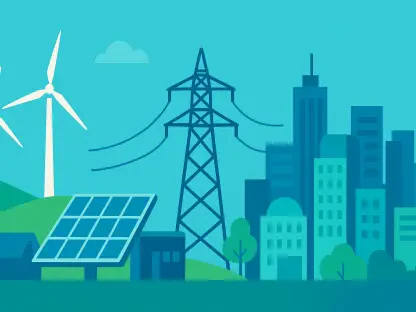

Indonesia stands at a monumental crossroads where the sun-drenched landscape of the archipelago offers a pathway to dismantle a long-standing reliance on volatile and expensive imported fossil fuels. This strategic pivot toward a 100 GW solar capacity serves as the cornerstone of the national energy transition roadmap, aiming to overhaul a power sector historically burdened by the high costs of diesel-based generation. By leveraging international climate finance, the nation seeks to transform its geographic challenges into a synchronized network of renewable energy hubs.
The Strategic Shift From Diesel Dependency to a Solar-Powered Archipelago
The fiscal weight of diesel-based power generation has prompted a radical reassessment of the national energy strategy. For decades, the reliance on liquid fuel for electricity in remote areas created a persistent drain on the state budget, necessitating high subsidies to maintain affordable rates. Transitioning to a solar-powered model is no longer just an environmental goal but a fiscal necessity to ensure long-term energy security across thousands of islands.
This ambition involves a coordinated effort between the Ministry of Finance, state-owned utility PLN, and international climate donors. These entities are working to align national interests with global decarbonization trends, ensuring that the infrastructure rollout remains sustainable. The shift is designed to provide a stable foundation for rural electrification, bridging the gap between urban centers and isolated regions that have long suffered from high energy costs and limited supply.
Beyond technical upgrades, the roadmap focuses on significant socio-economic improvements. By prioritizing solar energy, the government anticipates a surge in local GDP growth and the modernization of regional economies. This transformation is expected to empower local communities, providing the reliable electricity needed for industrial development and improved public services, eventually fostering a more resilient and self-sufficient national economy.
Accelerating the Energy Transition Through Innovation and Investment
Technological Drivers and Shifting Energy Consumption Patterns
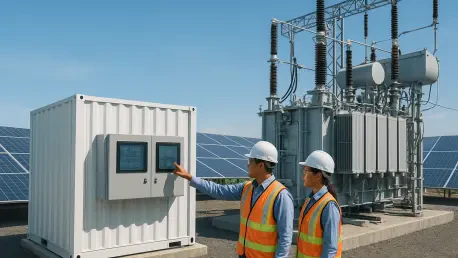
The integration of Solar PV with Battery Energy Storage Systems (BESS) has emerged as a disruptive alternative to traditional diesel units. Recent technological advancements allowed these hybrid systems to provide consistent power, overcoming the natural intermittency of sunlight. As battery costs continue to decline, the economic argument for replacing fossil fuel generators with decentralized solar arrays becomes increasingly compelling for both state planners and private investors.
The demand for specialized labor within the renewable sector is creating a new class of green jobs across the archipelago. This shift requires a workforce skilled in high-tech manufacturing, system integration, and advanced grid management. Consequently, educational institutions and vocational centers are pivoting toward renewable energy curricula to meet the rising demand for technical expertise in solar installations and battery maintenance.
Decentralized energy solutions are proving vital for eliminating the logistical nightmares associated with fuel transport. In remote regions, the cost of moving diesel often exceeds the cost of the fuel itself, leading to price spikes and supply shortages. By deploying localized solar grids, Indonesia effectively removes these logistical barriers, ensuring that energy consumption patterns become more efficient and less dependent on external supply chains.
Quantifying Growth: Economic Projections and Decarbonization Targets
Fiscal projections indicate that the massive shift to solar could save the government approximately Rp21.24 trillion in diesel costs. This capital, previously lost to fuel subsidies and imports, can be redirected toward critical infrastructure and social programs. Furthermore, the initiative is expected to boost regional GDP by an estimated Rp112.4 trillion, signaling a robust return on investment for both the public and private sectors.
Environmental performance remains a top priority, with a target to reduce carbon dioxide emissions by 24.3 million tonnes. This significant reduction aligns with international climate commitments and positions the country as a leader in the regional energy transition. The deployment of 100 GW of solar power serves as a quantifiable benchmark for the nation’s success in mitigating the impacts of climate change while maintaining industrial productivity.
The solar supply chain is anticipated to become a major engine for employment, potentially creating 118,000 new positions. These jobs span from the assembly of solar modules to the management of large-scale renewable projects. This growth in the green economy ensures that the transition provides tangible benefits to the domestic labor market, fostering long-term economic stability and technological self-reliance.
Navigating the Capital Gap and Infrastructure Hurdles
A formidable challenge lies in the massive disparity between available state funds and the total capital required for climate mitigation. Currently, the state budget covers only about 12.9% of the necessary financing, leaving an 87% gap that must be filled by external sources. Closing this divide requires a sophisticated blend of public-private partnerships and the strategic use of international climate funds to attract conservative commercial lenders.
Technical complexities also persist, particularly regarding the integration of intermittent solar power into a national grid designed for centralized, fossil-fuel plants. Maintaining grid stability requires significant upgrades to transmission lines and the adoption of smart grid technologies. These infrastructure improvements are essential to manage the variable output of solar energy without compromising the reliability of the electricity supply to homes and businesses.
Transforming high-risk renewable initiatives into bankable projects remains a primary objective for financial regulators. Many solar projects in emerging markets face hurdles related to perceived risk and long payback periods. By standardizing contracts and providing government guarantees, the state aims to lower the barrier for commercial entry, making large-scale solar deployment an attractive prospect for international institutional investors.
The Regulatory Framework and the Role of Catalytic Climate Finance
The Green Climate Fund (GCF) and other international co-financing mechanisms act as catalytic capital to de-risk private investments. As of August 2026, the GCF portfolio in Indonesia has mobilized billions in co-financing, demonstrating the power of multilateral support in scaling up renewable capacity. These funds provide the necessary cushion for investors, allowing them to commit capital to projects that might otherwise be deemed too risky.
Current fiscal policies are being refined to better support climate mitigation through targeted budget allocations and tax incentives. By aligning domestic regulations with international standards, the government encourages the growth of a local solar manufacturing sector. These policies are designed to reduce the cost of solar module production, ensuring that domestic manufacturers can compete with global players while adhering to strict quality controls.
Compliance with environmental, social, and governance (ESG) standards is crucial for attracting capital from multilateral development banks. Investors increasingly prioritize projects that demonstrate high transparency and minimal social disruption. Adopting these global standards not only secures funding but also ensures that the solar expansion respects local land rights and promotes equitable economic development across all regions of the archipelago.
Future Horizons: Building a Self-Sufficient Green Energy Ecosystem
The long-term vision centers on establishing a domestic manufacturing hub for solar panels and battery storage systems. By localizing the supply chain, Indonesia intends to insulate itself from global market fluctuations and reduce the overall cost of renewable deployment. This self-sufficiency is vital for maintaining the momentum of the 100 GW ambition and ensuring that the economic benefits of the energy transition remain within the country.
Potential market disruptors, such as continued price drops in lithium-ion technology and the emergence of solid-state batteries, could further accelerate the transition. These innovations, combined with smart grid management, allow for more efficient energy distribution and storage. As technology evolves, the integration of renewables into the national energy mix will become more seamless, paving the way for a fully modernized power sector.
Global economic conditions will continue to influence the flow of international climate capital toward emerging markets. Fluctuations in interest rates and geopolitical shifts can impact investor appetite for long-term infrastructure projects. However, the consistent demand for sustainable energy solutions ensures that Indonesia remains a primary destination for green investment, provided that the regulatory environment remains stable and transparent.
Synchronizing Fiscal Responsibility With Large-Scale Decarbonization
The analysis of the national energy landscape confirmed that international climate finance remained the primary driver for bridging the significant funding gap. Stakeholders identified that the transition from expensive diesel to solar power was not only a technical shift but a fundamental restructuring of fiscal priorities. The government successfully utilized de-risking mechanisms to transform ambitious environmental targets into viable, market-based opportunities for global investors.
Stakeholders prioritized the integration of local supply chains to ensure that the economic benefits were distributed across the archipelago. The transition demonstrated that fiscal responsibility could coexist with aggressive decarbonization when supported by robust regulatory frameworks. Moving forward, the focus shifted toward scaling pilot projects into a nationwide infrastructure, ensuring that the 100 GW solar capacity provided a permanent solution to energy poverty and high generation costs.
The successful mobilization of capital underscored the importance of secondary market development for renewable assets to enhance liquidity. Planners recognized that long-term sustainability depended on the continuous evolution of grid management and the adaptation of domestic manufacturing to new battery chemistries. These actions established a blueprint for other emerging economies seeking to harmonize economic growth with urgent climate objectives through strategic international cooperation.