
The survival of Nigeria’s agricultural sector now hinges on its ability to decouple food production from the erratic patterns of seasonal rainfall and the volatile pricing of fossil fuels. As of 2026, the nation finds itself at a crossroads where traditional farming methods no longer satisfy the nutritional demands of a burgeoning population or the economic realities of a high-cost energy market. The vulnerability of smallholder farmers to climate volatility is not just an environmental concern; it is a structural threat to the country’s macroeconomic stability. For decades, the reliance on rain-fed agriculture meant that a single delayed season could plunge millions into food insecurity and poverty.
The removal of petrol subsidies in 2023 served as the definitive economic trigger that forced the hand of the agricultural industry. Before this policy shift, the relatively low cost of fuel allowed for the proliferation of small petrol-powered pumps, which, while inefficient, offered a low-entry barrier for irrigation. However, the subsequent spike in operating expenses made these pumps prohibitively expensive to run, effectively stalling dry-season farming for those without deep pockets. This crisis accelerated the shift toward renewable energy, specifically solar power, as farmers sought a way to stabilize their input costs and regain control over their production cycles.
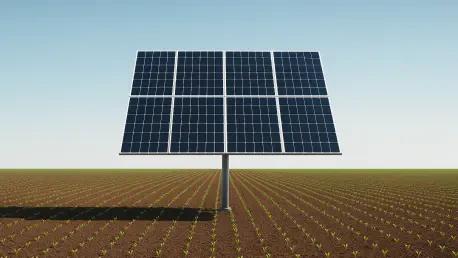
Technological adoption is currently centered on 2-inch and 3-inch solar pump models, which are becoming the standard for small-scale operations across the northern and central belts. Key agencies, led by the Rural Electrification Agency (REA), are driving this transition through various subsidies and pilot programs aimed at de-risking the technology for the rural population. Despite these efforts, a massive productivity gap remains. Only 5.4% of agricultural plots in Nigeria are currently irrigated, which is a stark figure considering the vast groundwater resources available just a few meters below the surface. Bridging this gap is the primary goal of the current agricultural modernization agenda.
The Current Landscape of Nigerian Agriculture and the Solar Shift
The current state of the Nigerian agricultural industry is characterized by a slow but necessary transition from subsistence to semi-commercialized models. Smallholder farmers, who constitute the vast majority of the agricultural workforce, have historically been the most vulnerable to the vagaries of climate change. With unpredictable rainfall patterns becoming the new normal, the traditional farming calendar has been disrupted, leading to significant post-harvest losses and diminished yields. This systemic fragility has made the adoption of solar irrigation not just an innovation, but an essential component of national resilience.
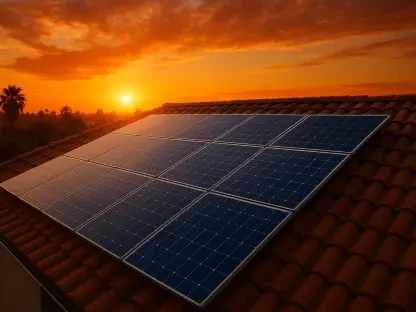
This transition is being guided by the understanding that irrigation is the only way to ensure year-round food production. Nigeria sits atop significant shallow groundwater reserves, particularly in the fadama lands, where water is accessible at depths that do not require massive industrial drilling. The shift from petrol to solar is more than a change in hardware; it represents a fundamental change in the energy architecture of rural Nigeria. By replacing the constant need for expensive fuel with the abundant sunshine of the tropics, farmers are slowly insulating themselves from the fluctuations of the global oil market and local fuel scarcities.
Furthermore, the role of the Rural Electrification Agency and other development partners has been crucial in establishing a market for solar pumps. These organizations have worked to create a pipeline of equipment that is both durable and suitable for the harsh environmental conditions of the Sahel and Savannah regions. The focus is now on scaling these solutions to reach the millions of farmers who still rely on manual watering or are forced to leave their land fallow during the dry months. The transition is gaining momentum, but the journey toward full solar integration is still in its early stages.
Emerging Trends and Market Projections for Solar Adoption
Technological Shifts and Evolving Farmer Behavior
The transition from an operational expense (Opex) model to a capital expenditure (Capex) model represents the most significant psychological shift for the Nigerian farming community. In the past, the low upfront cost of a petrol pump allowed farmers to enter the irrigation market with minimal savings, even if they were later drained by fuel costs. Solar systems, however, require a large initial investment that pays for itself over time through nearly non-existent operating costs. This shift is forcing farmers to think like long-term investors, focusing on the total cost of ownership rather than just the initial price tag.
This move toward solar is also bringing the water-energy-food nexus into sharp focus. Because solar energy is effectively “free” once the system is installed, there is an emerging risk of groundwater depletion as farmers might be tempted to pump water continuously. This behavior change necessitates a new approach to water management, where “free” energy does not lead to wasted water. Modern solar systems are increasingly being integrated with drip irrigation and smart sensors to ensure that every drop is used efficiently, preserving the aquifers for future generations while maximizing the output of every hectare.
Another notable trend is the move toward the productive use of energy (PUE) beyond simple irrigation. Farmers are beginning to integrate solar arrays with other rural value chains, such as agro-processing, cold storage, and milling. This decentralized approach creates a more robust rural economy where energy generated for a pump during the day can power a grain mill or a cooling unit in the evening. This holistic view of solar energy is transforming rural homesteads into mini-industrial hubs, reducing the need for long-distance transport of raw goods and increasing the value-add at the farm gate.
Market Data and Growth Forecasts
The untapped potential for solar irrigation in Nigeria is immense, with projections showing that over 7 million hectares of cropland are suitable for shallow groundwater extraction. As of 2026, the market for solar pumps is expected to see a compound annual growth rate that reflects the urgent need for climate adaptation. Data from current pilot projects suggest that farmers who switch to solar can expect a 60% to 80% reduction in long-term operating costs. These savings are often reinvested into better seeds and fertilizers, creating a virtuous cycle of increasing productivity and rising rural incomes.
Economic yield estimates are becoming increasingly favorable as the cost of solar panels continues to drop globally. From 2026 to 2030, the expansion of dry-season farming is forecasted to be the single largest contributor to Nigeria’s food self-sufficiency goals. Initiatives like the World Bank’s TIMIN project have already demonstrated that reliable irrigation can triple the yields of staple crops like rice and wheat. These productivity gains are essential for stabilizing the national food supply and reducing the inflationary pressure caused by food shortages during the lean seasons.
Moreover, the market for solar components is expected to professionalize as demand rises. The entry of more specialized distributors and the establishment of local assembly plants could further drive down costs. Market analysts forecast that as financing models become more refined, the adoption rate among smallholders will accelerate, potentially bringing an additional two million hectares under irrigation by the end of the decade. This growth is not just about the number of pumps sold, but the total volume of food produced and the number of rural livelihoods secured against climate shocks.
Overcoming Structural and Financial Bottlenecks
The capital barrier remains the most significant hurdle for the widespread adoption of solar irrigation among smallholder farmers. For a farmer earning a subsistence wage, the upfront cost of a high-quality solar pump can equal their entire annual income. To address this, “pay-as-you-go” and “pay-as-you-own” financing models are being deployed across the country. These models allow farmers to treat their equipment purchase like a utility bill, making small, frequent payments that eventually lead to full ownership. However, the success of these models depends on the presence of a reliable digital payment infrastructure and a credit-scoring system that understands the rural context.
Another structural challenge is the seasonal mismatch between farm income and bank repayment schedules. Most financial institutions operate on rigid monthly cycles, which do not align with the reality of agricultural production where income is concentrated at harvest time. This mismatch often leads to defaults or prevents farmers from qualifying for loans in the first place. To overcome this, there is a growing push for harvest-aligned lending, where repayments are structured around the biological cycles of the crops. This flexibility is essential for making solar technology accessible to the majority of the farming population who lack traditional collateral.
Supply chain fragility and the lack of technical expertise in remote areas also pose a risk to the long-term viability of solar projects. When a solar pump breaks down in a rural village, the absence of a local technician can lead to the equipment being abandoned, resulting in a total loss of investment. Strengthening the after-sales service network is therefore as important as the initial sale. Training programs for youth in rural areas to become certified solar technicians are helping to create a localized support system. By building this technical capacity, the industry can ensure that the transition to solar is sustainable and that equipment remains operational for its full intended lifespan.
The Regulatory Framework and Institutional Support
Government initiatives have played a foundational role in creating an environment where solar irrigation can thrive. The Central Bank of Nigeria’s Anchor Borrowers’ Programme was a pioneer in linking farmers to finance, and its principles are now being applied to renewable energy equipment. By providing low-interest loans and connecting farmers with reputable suppliers, the government is helping to lower the barriers to entry. These institutional supports are critical for building trust in new technologies and ensuring that the shift to solar is not just a trend but a permanent change in the agricultural landscape.
Standards and quality control are also major priorities for regulators. The Nigerian market has sometimes been flooded with sub-standard solar components that fail prematurely, souring the reputation of the technology among skeptical farmers. To protect the industry, the Standards Organization of Nigeria is working to enforce stricter quality benchmarks for imported solar equipment. Ensuring that farmers receive what they pay for is essential for maintaining the momentum of the solar shift. High-quality equipment ensures better performance and higher returns on investment, which in turn encourages more farmers to make the switch.
Environmental governance is the third pillar of the regulatory framework. As the use of solar pumps increases, the management of groundwater resources must be handled with care to prevent the ecological disasters seen in other parts of the world. Implementing sustainable groundwater management policies involves mapping the nation’s aquifers and setting limits on extraction in areas where water levels are dropping. By integrating solar adoption with environmental monitoring, Nigeria can ensure that its push for food security does not come at the cost of its long-term ecological balance.
The Future of Climate-Resilient Farming in Nigeria
The rise of innovation and rural enterprise is perhaps the most exciting aspect of the solar transition. Youth-led “water businesses” are emerging, where young entrepreneurs purchase large-scale solar pumping systems and sell water to neighboring farms. This shared-equipment model makes irrigation accessible to those who cannot afford their own pumps and creates new jobs in the rural economy. These enterprises are diversifying rural income streams and moving the focus away from pure subsistence toward a more dynamic and commercialized agricultural ecosystem.
Social impact is also a key driver of the solar movement. For women in agriculture, solar irrigation significantly reduces the physical labor involved in manual watering, allowing them to focus on crop diversification and marketing. Furthermore, the high-tech nature of solar systems is attracting a new generation of youth back to the farms. These “agri-preneurs” are more comfortable with digital tools and renewable energy than their predecessors, and they are bringing a new level of professionalism and efficiency to the sector. This demographic shift is vital for the long-term sustainability of Nigerian farming.
Nigeria’s progress in solar irrigation is also positioning the country as a leader in Sub-Saharan Africa. The models developed and tested in the Nigerian context are being closely watched by other nations facing similar challenges. By demonstrating that solar technology can be scaled through a mix of private innovation and government support, Nigeria is providing a blueprint for the rest of the continent. The success of these initiatives will have a ripple effect, encouraging more investment in climate-resilient agriculture across Africa and contributing to broader regional stability and food security.
Strategic Path Forward for Sustainable Food Security
The transition toward solar-powered irrigation emerged as a vital pillar for Nigeria’s long-term food security strategy. Stakeholders recognized that simply providing equipment was insufficient; instead, success required a robust ecosystem of financial flexibility and technical support. The integration of climate-resilient technology fostered a new class of rural entrepreneurs who stabilized local markets and reduced the historical dependency on rain-fed cycles. Strategic investments in local technical capacity ensured that the infrastructure remained functional, preventing the waste of capital that plagued earlier agricultural initiatives.
Policy recommendations centered on the alignment of financial products with the realities of the agricultural calendar. Lending institutions shifted their focus toward harvest-based repayment plans, which significantly lowered the default rate among smallholder participants. Additionally, the government strengthened local supply chains by incentivizing the domestic assembly of solar components, which reduced the lead time for repairs and lowered overall costs. These actions created a more predictable environment for farmers, allowing them to plan for multiple growing seasons and increase their total annual output.
The final perspective on the solar shift highlighted it as the most viable pathway for stabilizing the food supply in an era of climate uncertainty. The move away from fossil fuels was not merely an environmental choice but a strategic economic necessity that protected the most vulnerable members of society. By treating water and energy as integrated components of a single value chain, Nigeria built a foundation for a more prosperous rural economy. The lessons learned during this period provided a clear roadmap for future agricultural developments, proving that technology, when paired with the right institutional framework, could overcome even the most daunting environmental challenges.