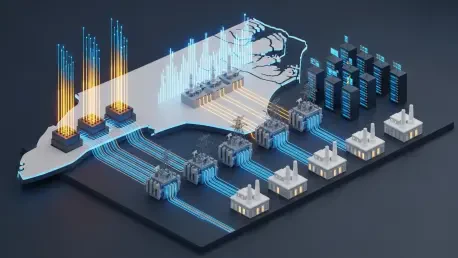

The rapid proliferation of hyperscale data centers across the North Carolina landscape is fundamentally altering how electricity is generated, distributed, and priced for every resident in the state. Over the past few years, the region has transitioned into a premier destination for high-intensity data processing, attracting tech giants that require immense amounts of energy. This physical expansion represents a significant departure from historical development patterns, as massive server farms now dot the geography from the Piedmont to the coast.
Industrial titans such as Google, Meta, and Apple have moved beyond mere corporate presence to become the dominant consumers within the regional power ecosystem. As Duke Energy manages these massive infrastructure requirements, the utility has been forced to rethink its traditional distribution models and utility priorities. This shift places immense pressure on a system originally designed for a mix of residential and light industrial use, now needing to support the 24-7 operations of global digital services.
Deciphering the Drivers of Unprecedented Energy Demand
Rise of Generative AI and the Cloud Computing Infrastructure
The explosion of generative artificial intelligence and the ubiquity of cloud-based services necessitated a massive increase in physical server capacity. While households increasingly adopt energy-efficient appliances, the cumulative energy savings were quickly eclipsed by the power draw of these cooling-intensive data campuses. This transition highlights a fundamental change in energy consumption: the digital services people use daily are the primary catalysts for the industrial demand surge.
As consumer behaviors evolve to rely on the very digital services these centers provide, the distinction between industrial and residential needs blurs. The infrastructure supporting the cloud is invisible to the average user but manifests clearly on the regional power grid. This shift necessitates a broader look at how technological expansion is reshaping the state’s historical power distribution models and utility priorities.
Projections for Load Growth and the Financial Impact on Residents
Duke Energy projects a 60% spike in electricity demand over the next 15 years, a staggering figure compared to the modest historical growth seen in previous decades. This shift has already translated into tangible costs for the public, with residential bills increasing by 22% since 2020. Market data suggests that the capacity to generate surplus power for domestic use is narrowing as the industrial sector consumes a larger share of the total output.
Long-term performance indicators regarding the state’s capacity to generate surplus power for both industrial and domestic sectors remain a point of concern. Current trajectories suggest that without significant interventions, the financial burden of these updates will continue to fall disproportionately on the consumer. The trajectory for future hikes remains steep as the utility seeks to recover costs for new generation plants.
Addressing the Structural and Economic Challenges of Grid Expansion
The friction between large-scale technological investment and the financial security of everyday North Carolina ratepayers grew more pronounced as infrastructure projects commenced. Modernizing an aging power grid to handle the intensive loads of modern server farms requires billions in capital expenditure. These costs often trickle down to residents who do not directly benefit from the data centers but must fund the reliability of the system through their monthly bills.
Furthermore, the efficiency paradox showed that even significant local conservation efforts could be undermined by broader utility-wide rate hikes. Institutional leaders at Elon University reported that despite cutting consumption by 37%, their financial burden remained high due to rising base rates. To mitigate this impact on low-to-middle-income households, stakeholders began exploring economic development strategies that do not place the entire modernization bill on those least able to pay.
Regulatory Framework and the “One Big Beautiful Bill Act”
The legislative environment shifted dramatically following the implementation of the “One Big Beautiful Bill Act” in July 2025. This policy change signaled a pivot away from some clean energy incentives toward a more pragmatic focus on natural gas expansion and nuclear energy development. The North Carolina Utilities Commission redirected its focus toward energy security and reliability, prioritizing the rapid construction of generation facilities to keep pace with tech growth.
Changing federal and state policies also reshaped compliance standards and emissions controls for new energy-generating plants. Utility lobbying efforts played a critical role in these legislative outcomes, often sparking intense public advocacy regarding the future of electricity pricing. As regulatory bodies balanced the needs of industry with environmental concerns, the roadmap for infrastructure project approval became increasingly complex.
Future Outlook: Modernization, Tariffs, and the Path to Energy Stability
One potential solution for stabilizing the energy market involves the implementation of large-load tariffs designed specifically for high-demand industrial users. By shifting a greater portion of the financial burden to the companies driving the demand, the state could potentially protect residential consumers from the most volatile price swings. Innovations like small modular nuclear reactors and advanced natural gas technologies offered a glimpse into a more diversified and reliable energy future.
Grid modernization remains a cornerstone of managing peak demand more effectively through smart-grid technologies. As global economic conditions and further AI breakthroughs continue to evolve, the necessity for radical shifts in state energy policy becomes more apparent. The state’s ability to remain competitive in the tech sector depends entirely on its capacity to provide stable, affordable power without alienating its domestic base.
Securing a Sustainable Balance Between Technological Progress and Affordability
The challenge of integrating the data center industry required a sophisticated multi-faceted approach that prioritized energy security for all citizens. Policy reforms and the adoption of targeted tariffs provided a framework for shared responsibility between corporate giants and the public. By diversifying the energy portfolio, the state worked toward a model where technological progress did not equate to financial instability for residents.
Ultimately, the transition to a high-tech energy economy demanded constant vigilance from stakeholders and investors alike. Decisions made regarding nuclear expansion and grid upgrades laid the groundwork for future stability, though the immediate financial pressures remained a point of contention. The state successfully navigated this period by balancing economic ambitions with a commitment to maintaining affordable utility rates for the local population.