
The sheer complexity of feeding millions across a fragmented geographical landscape requires more than just culinary skill; it demands a sophisticated and unshakable energy infrastructure. India’s food-tech market currently operates at a staggering velocity, with Jubilant FoodWorks spearheading a massive digital and physical expansion. For decades, the industry relied heavily on commercial LPG cylinders to fuel high-volume kitchens, yet this model is facing unprecedented pressure as technological integration demands more reliable utility procurement. Maintaining a network of over 3,500 global outlets requires a level of energy stability that traditional portable fuel sources struggle to provide consistently.
The Evolving Energy Landscape of India’s Quick Service Restaurant Sector
The massive scale of the Indian QSR market, led by major players like Jubilant FoodWorks, is forcing a total rethink of traditional energy procurement. Historical reliance on commercial LPG cylinders for high-volume kitchen operations is no longer sustainable for brands managing extensive delivery networks. As scale increases, the logistical burden of handling thousands of physical cylinders daily becomes a bottleneck that threatens the agility of the modern food-tech ecosystem.
Catalysts for Change: Driving the Pivot to Alternative Power Sources
Emerging Shifts in Kitchen Operations and Sustainable Fuel Adoption
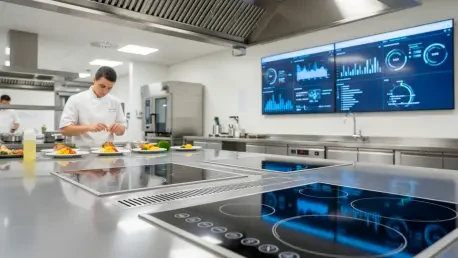
Transitioning from portable LPG cylinders to Piped Natural Gas and high-efficiency electric induction marks a fundamental shift in kitchen philosophy. Modern automation requires consistent power levels that cylinders cannot always guarantee, while corporate ESG goals now prioritize sustainable fuel adoption to meet carbon reduction targets. Consumers are increasingly favoring brands that demonstrate environmental responsibility, pushing the sector toward cleaner energy choices.
Analyzing Market Performance and Growth Projections for Jubilant FoodWorks
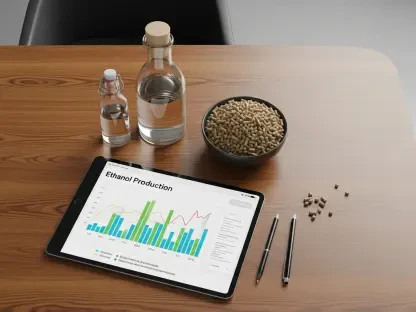
Revenue performance remains robust, with a recent 6.4% increase driven by strong order volumes. Scaling the brand portfolio beyond Domino’s to include Popeyes, Dunkin’, and Hong’s Kitchen necessitates a fuel strategy that protects profit margins during international expansion. Forecasts suggest that reducing fuel volatility will be the primary lever for maintaining financial stability as the company grows its footprint across six countries.
Navigating Geopolitical Volatility and Supply Chain Bottlenecks
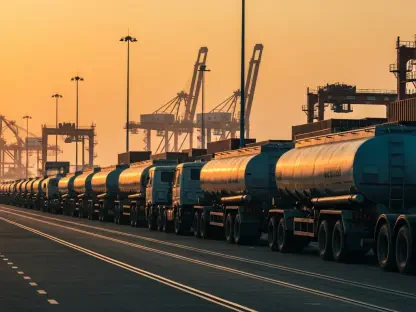
Instability in the Middle East has disrupted global LPG supply chains, directly impacting fuel imports that Indian restaurants depend upon. Managing physical cylinder inventories across thousands of locations creates logistical hurdles that are increasingly difficult to justify in a volatile market. By moving away from the cylinder model, the organization seeks to insulate its bottom line from erratic global pricing and potential supply shortages. Coordination with oil marketing companies remains a short-term necessity, but the long-term goal is total energy independence.
Strengthening Compliance and Safety Through Modern Energy Standards
Urban safety regulations in dense metropolitan hubs are becoming more stringent regarding gas storage and fire hazards. The expansion of government-led PNG infrastructure has provided a timely opportunity for commercial hubs to adopt safer, piped utility systems. These modern standards not only enhance operational security but also streamline compliance with local building codes and safety audits. Moving toward standardized electrical systems further reduces the inherent risks associated with bulk fuel storage in crowded city centers.
Future-Proofing Global Operations Through Energy Diversification
The electric kitchen concept is emerging as a major disruptor, offering precision and efficiency that traditional flame-based cooking lacks. Scaling this energy pivot across territories like Turkey and Bangladesh ensures that the company remains competitive in diverse regulatory environments. The intersection of food-tech innovation and energy efficiency is expected to yield significant long-term cost savings. This diversified energy mix provides the agility needed to pivot operations quickly if one specific fuel source becomes compromised.
Strategic Resilience: The Path Forward for Jubilant FoodWorks
The move toward a diversified energy model empowered the enterprise to transcend the limitations of a reactive fuel strategy. Leaders prioritized infrastructure investments that mitigated risks associated with traditional fuel sources. This shift fundamentally altered the long-term investment profile of the company by decoupling operational success from global commodity fluctuations. Ultimately, the transition solidified a new standard for energy independence within the global food-tech sector. Managers established a blueprint that future competitors followed to ensure survival in an increasingly volatile global economy.