
The global energy infrastructure is undergoing a radical metamorphosis where the molecules of the past are being re-engineered to meet the decarbonized mandates of a complex future. Within this shifting paradigm, the independent refining sector has transitioned from a traditional commodity-processing business into a sophisticated engine for low-carbon fuel production. This evolution is not merely a response to regulatory pressure but a strategic realignment toward high-complexity assets that can navigate the inherent volatility of global crude oil and the diverse nature of heavy feedstocks. As the world moves deeper into a low-carbon molecule economy, the intersection of traditional petroleum refining and renewable technology has become the primary arena for industrial dominance.
The significance of high-complexity assets cannot be overstated in a market defined by heavy feedstock diversity. Modern refiners must possess the technical capability to process discounted, sour crudes while simultaneously integrating bio-based inputs. This dual-track capability allows major market players to manage the risks associated with geopolitical trade flow disruptions and the fluctuating availability of traditional oil. By leveraging complex distillation and cracking units, leaders in the sector are maintaining their relevance even as the global energy transition begins to alter the long-term trajectory of traditional fuel demand.
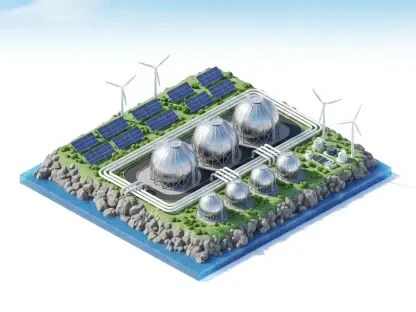
The current landscape is defined by a distinct separation between companies that viewed the transition as a threat and those that embraced it as a value-driver. The shift is moving away from basic fossil fuel throughput toward a model that prioritizes the carbon intensity of every gallon produced. As traditional petroleum refining remains the backbone of global transport, the integration of renewable energy sources into existing refining footprints has created a hybrid model that maximizes existing infrastructure while tapping into the high-margin potential of sustainable liquid fuels.
The Shifting Landscape of Global Refining and Renewable Energy
The independent refining sector has successfully shed its reputation as a cyclical commodity processor, emerging as a critical architect of the renewable fuel supply chain. This transformation has been driven by the realization that liquid fuels will remain indispensable for heavy transport and aviation, regardless of the pace of light-duty vehicle electrification. Consequently, the focus has shifted toward the production of low-carbon molecules that can utilize the same pipelines, tanks, and engines as their fossil-based predecessors. This compatibility provides a massive competitive advantage over energy sources that require entirely new delivery systems.
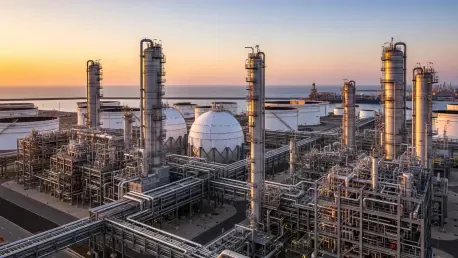
High-complexity assets are now the primary tool for managing global crude oil volatility and the increasing variety of heavy feedstocks available on the market. These sophisticated refineries allow operators to pivot between different grades of oil and renewable inputs based on price and availability, ensuring consistent margins even in turbulent economic environments. The ability to extract high-value products from low-quality materials has become the hallmark of operational excellence in this new era. It ensures that the refining core remains profitable enough to fund the ongoing expansion into newer, greener technologies.
The emerging low-carbon molecule economy is characterized by a blurring of the lines between traditional energy and biotechnology. Major market players are no longer just oil companies; they are integrated energy providers that manage carbon lifecycles from feedstock acquisition to final combustion. This strategic shift is a direct response to the global energy transition, which has fundamentally changed how investors and regulators value energy assets. The goal is now to produce the most energy with the least amount of carbon, a challenge that requires both massive scale and intricate technical expertise.
Market Dynamics and the Rise of Sustainable Liquid Fuels
Emerging Trends in Renewable Diesel and Sustainable Aviation Fuel (SAF)
The transition from conventional biofuels to high-margin renewable diesel and neat sustainable aviation fuel (SAF) production represents one of the most significant shifts in industrial energy history. Unlike older generations of biodiesel, renewable diesel is a drop-in replacement that meets the same chemical specifications as petroleum-based diesel. This has allowed for a rapid scale-up in production, particularly as corporate behaviors shift toward meeting strict decarbonization mandates in the heavy transport sector. The aviation industry, in particular, has become a primary driver of demand, as SAF remains the only viable short-to-medium-term solution for reducing the carbon footprint of long-haul flights.
Technological advancements in non-food feedstock processing have further accelerated this trend. By utilizing waste products such as used cooking oil, animal fats, and technical corn oil, refiners can avoid the ethical dilemmas and price volatility associated with food-based crops. These waste-based feedstocks often carry lower carbon intensity scores, which directly translates to higher value in regulatory markets. Furthermore, the emergence of carbon sequestration has added a new dimension to this value chain. By capturing and storing the carbon dioxide produced during the fermentation or refining process, companies can turn carbon from a liability into a critical value-driver for their entire fuel portfolio.
Performance Indicators and Growth Projections through 2026
The financial trajectory of leaders in this space has shown a remarkable recovery, with stock performances reflecting a newfound market confidence in the integrated energy model. Analysis of current earnings suggests that the market is beginning to reward companies that have successfully bridged the gap between traditional refining and renewables. For example, growth projections for earnings per share from 2026 to 2028 are increasingly tied to the operational success of major SAF projects and the expansion of renewable diesel ventures. These projects are seen as high-growth engines that complement the steady cash flow generated by traditional refining assets.
Forecasted demand for heavy distillates remains robust, even as the electrification of light-duty transport continues to gain momentum. Diesel and jet fuel are the lifeblood of global commerce, and their demand is less sensitive to consumer vehicle trends than gasoline. This creates a favorable environment for refiners that have optimized their configurations to maximize distillate yields. As the global economy continues to expand, the need for high-density liquid energy will likely persist, ensuring that the transition to renewable versions of these fuels remains a high-priority and high-profit endeavor for the foreseeable future.
Strategic Navigation of Industry Headwinds and Operational Risks
Addressing the food-versus-fuel debate has required a disciplined shift toward the utilization of waste-based feedstocks. By prioritizing materials that do not compete with the human food supply, energy companies have mitigated a significant source of public and regulatory criticism. This strategy not only improves the sustainability profile of the end product but also provides a more stable cost structure. Managing the logistical challenges of collecting and processing these diverse waste streams has become a core competency for the most successful players in the renewable diesel market.
Macroeconomic pressures and the potential for a global recession continue to loom over the industrial sector, threatening to suppress diesel demand. To counter these risks, a low-cost leadership operating model has become essential. By maintaining a lower break-even point than the competition, top-tier refiners can remain profitable even when crack spreads—the profit margin between crude oil and refined products—begin to narrow. This operational resilience is often achieved through rigorous portfolio optimization, which includes the disciplined exit from high-burden regulatory markets that no longer provide a sufficient return on investment.
Mitigating risks in the current environment also involves a strategic approach to capital allocation. Instead of chasing every new green technology, the most successful firms are focusing on proven pathways where they have a clear competitive advantage. This includes optimizing existing refineries to be more energy-efficient and expanding into renewable segments that leverage their existing logistical and technical strengths. This balanced approach ensures that the company remains a leader in the fossil fuel market while simultaneously building the foundation for long-term dominance in the decarbonized energy landscape.
The Regulatory Framework and the Economics of Decarbonization
The influence of the Inflation Reduction Act (IRA) and specifically the Section 45Z Clean Fuel Production Credits has fundamentally altered the profitability of renewable fuel projects. These federal incentives are designed to reward producers who can achieve significant reductions in the carbon intensity of their products. This has created a competitive environment where the valuation of renewable products is directly tied to their CI scores. For companies that can achieve ultra-low scores through the use of waste feedstocks and carbon capture, these credits can represent a substantial portion of their overall margin.
Navigating the Renewable Fuel Standard (RFS) and the strategic management of Renewable Identification Numbers (RINs) remains a complex yet vital aspect of the refining business. For many years, the cost of acquiring these compliance credits was a significant drag on earnings for independent refiners. However, those that have integrated renewable production into their own portfolios have created a natural hedge. By producing their own renewable fuels, they generate their own RINs, effectively insulating themselves from the price volatility of the credit market. This internal supply chain management has become a key differentiator in the industry.
Geopolitical factors also play a critical role in the current regulatory and economic landscape. Shifting trade flows, particularly those affecting Western energy markets, have required a heightened focus on compliance and security. The global effort to reduce dependence on certain energy sources has created new opportunities for Gulf Coast exporters to fill the void. Maintaining a robust and secure supply chain in this environment is not just a matter of operational efficiency but a strategic necessity for ensuring the stability of national and international energy markets.
Innovation and the Future of the Integrated Energy Major
Scaling carbon capture and storage (CCS) through strategic partnerships has emerged as the next frontier for the integrated energy major. By collaborating with pipeline and storage specialists, refiners can implement CCS at a scale that would be impossible to achieve alone. This technology allows for the sequestration of millions of tons of carbon dioxide, drastically lowering the CI scores of ethanol and other fuels produced within the system. This innovation is not just about environmental responsibility; it is a direct investment in the future profitability of the company’s entire low-carbon portfolio.
The role of a fortress balance sheet is critical in funding this future innovation while maintaining sustained shareholder returns. The transition to a low-carbon economy requires massive capital investment, and only those with strong financial foundations can afford to lead the way. By maintaining low debt levels and strong cash reserves, top-tier energy companies can fund their transition projects internally, avoiding the high costs of external financing. This financial strength also allows for continued share buybacks and dividend growth, ensuring that shareholders remain rewarded throughout the transition process.
Anticipated market disruptors, such as the massive expansion of global refining capacity in emerging markets and advancements in green hydrogen, are also being closely monitored. While these developments pose potential challenges, they also offer new avenues for growth. Integrated majors are already exploring how green hydrogen can be used to further decarbonize the refining process or serve as a feedstock for future fuels. This proactive approach to innovation ensures that the company remains at the forefront of the energy sector, regardless of which technologies eventually become the dominant players in the market.
Concluding Synthesis of Valero’s Competitive Moat and Investment Outlook
The dual-track strategy pursued by Valero Energy successfully maintained its refining dominance while pioneering a new era of renewable growth. By focusing on high-complexity assets and early entry into the renewable diesel and sustainable aviation fuel markets, the company built a formidable competitive moat that shielded it from the volatility of a transitioning industry. The integration of traditional assets with low-carbon technology proved to be a resilient model, allowing for consistent profitability even as regulatory requirements became more stringent. This approach validated the idea that an established refiner could lead the energy transition through operational excellence and strategic foresight.
The green premium earned through early SAF adoption and the optimization of carbon intensity scores became a significant driver of market valuation. Investors recognized that the ability to navigate complex regulatory frameworks like the IRA and RFS was as valuable as the physical capacity to refine crude oil. The disciplined exit from high-cost markets and the focus on low-cost leadership in the Gulf Coast ensured that the capital was deployed where it could generate the highest returns. This strategic focus allowed the company to fund its innovative carbon capture projects while simultaneously returning record amounts of capital to its shareholders.
For those seeking exposure to transitioning energy assets, the lesson learned was that resilience stems from a balance of traditional cash flow and future-oriented growth. The long-term prospects for the sector depended on the ability to provide essential liquid energy in a way that aligned with global decarbonization goals. Moving forward, the focus will likely shift toward further reducing the carbon footprint of existing operations and expanding the reach of the low-carbon molecule economy. The blueprint established by the leaders in this space provided a clear path for others to follow, ensuring that the global energy transition would be led by those who mastered the science of the molecule.