
The North American power grid is currently navigating its most precarious era in decades, caught between the insatiable electricity demand of the artificial intelligence revolution and an aggressive transition toward renewable energy. As the North American Electric Reliability Corp. (NERC) highlights high-risk shortfalls, a significant debate has surfaced regarding whether these projections represent a looming catastrophe or a flaw in traditional modeling techniques. This analysis evaluates the long-term reliability assessments and the pushback from industry experts who argue for a more nuanced understanding of how energy is consumed and distributed across the continent.
Assessing the Surge: Load Growth and Supply Projections
Quantifying the AI Impact and Market Demand Trends
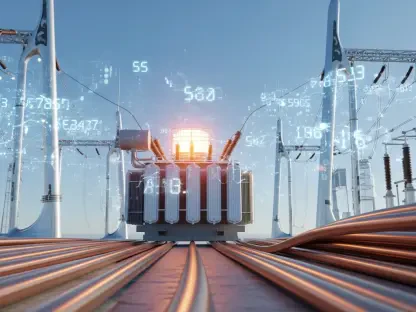
Electricity demand is accelerating after decades of relative stagnation, primarily fueled by the rapid expansion of data centers and industrial electrification. Recent assessments indicate a projected demand surge of 160 GW by 2030, with roughly 90 GW of that increase attributed directly to the scaling of artificial intelligence infrastructure. This shift places immense pressure on grid operators to secure new sources of power while managing the retirement of older, more reliable coal and gas plants.
Reports from reliability organizations suggest that much of the continent now faces an elevated risk of energy shortfalls over the next four years. While these warnings serve as a signal for investment, they also underscore the difficulty of integrating high-density load centers into a system that was designed for more predictable, localized consumption patterns. The speed of this transition has outpaced many regulatory frameworks, leading to a scramble for capacity in regions previously considered energy-surplus zones.
Real-World Application and Capacity Challenges
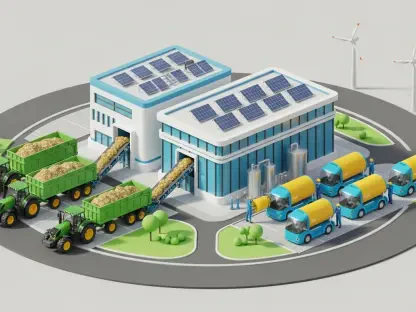
Major technology corporations like Microsoft and Google are currently driving the development of massive load clusters that strain existing infrastructure beyond its original design limits. However, the solution to these capacity gaps is often trapped in the interconnection queue, which holds a vast backlog of wind, solar, and battery storage projects. Navigating the regulatory hurdles to bring these resources online remains the single greatest obstacle to meeting the heightened demand of the late 2020s.
Historical data from extreme weather events suggests that interregional power sharing often performs better than conservative models predict. During previous winter storms, grids that were expected to fail managed to survive by importing significant amounts of electricity from neighboring regions. These real-world examples suggest that the grid’s inherent resilience, supported by non-firm power transfers, provides a safety net that is frequently overlooked in formal risk assessments.
Industry Perspectives: The Debate Over Risk Modeling
Federal regulators view these reliability assessments as an urgent call to action, often advocating for the retention of fossil-fuel assets to maintain a necessary safety margin. This perspective emphasizes that a transition too fast could compromise the stability of the entire network. Consequently, there is a push to prioritize traditional “firm” generation, which provides a constant flow of power regardless of weather conditions or time of day.
In contrast, independent consulting firms argue that these “worst-case” assumptions are significantly detached from market realities. They point out that supply chain bottlenecks for critical hardware, such as AI chips and power transformers, may naturally moderate the pace of demand growth. By focusing only on the most pessimistic scenarios, regulators risk incentivizing over-investment in legacy systems that may eventually become stranded assets in a more decentralized energy economy.
Furthermore, environmental advocacy groups have noted that the common practice of “double counting” load requests often leads to inflated demand forecasts. When developers submit multiple applications for the same project across different utilities, the resulting data suggests a crisis that may not actually exist. Accurate, transparent data collection is therefore essential to prevent the unnecessary expenditure of trillions of dollars on infrastructure that might never be fully utilized.
The Future Landscape: Balancing Reliability and Innovation
Moving forward, the industry must modernize how it accounts for power transfers between regions to better reflect the collaborative nature of the modern grid. Transitioning from a focus on localized self-sufficiency to a more integrated national network will allow for a more efficient distribution of renewable resources. This shift requires a departure from rigid “firm” power accounting toward a model that recognizes the value of diverse, interregional energy flows during periods of peak stress.
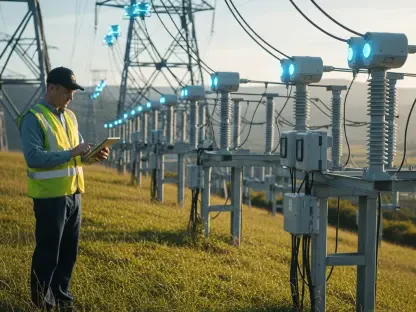
Streamlining the interconnection process will be vital for allowing the massive reserves of pending clean energy projects to enter the market. If regulatory bodies can successfully reduce the time it takes to approve and connect new battery and solar installations, the projected capacity gaps could narrow significantly. This evolution will likely favor regions that embrace flexible demand-side management and advanced grid-monitoring technologies.
The long-term health of the North American grid will depend on building more robust interregional transmission lines. By turning isolated power pools into a unified network, the system can better withstand localized disruptions and harness the full potential of geographic diversity in energy generation. Such a network would not only ensure reliability but also foster a more competitive and dynamic energy market for all consumers.
Conclusion: Navigating the New Energy Frontier
The examination of grid reliability trends revealed a fundamental tension between traditional safety-first regulatory approaches and the rapid evolution of a technology-driven market. It became clear that while the risks of shortfalls were significant, they were often mitigated by the industry’s ability to innovate under pressure. Stakeholders recognized that the path forward required a departure from outdated modeling in favor of more transparent, data-driven forecasting.
Ultimately, the focus shifted toward aggressive transmission expansion and the reform of interconnection protocols to accommodate the next generation of power projects. These actions ensured that the North American grid remained a resilient engine for both economic growth and technological leadership. By prioritizing interregional cooperation and modernizing resource accounting, the energy sector successfully navigated the complexities of a changing landscape.