
The once-static electrical grid is rapidly transforming into a dynamic, data-driven network, fundamentally reshaping India’s energy landscape with the widespread adoption of digital technology. This monumental shift from traditional to smart power grids is at the heart of the nation’s energy modernization efforts. The national smart meter rollout, a cornerstone of the government’s Revamped Distribution Sector Scheme (RDSS), is pivotal in this transformation, aiming to upgrade infrastructure, curtail financial losses, and empower consumers with unprecedented control. This analysis will explore the rapid adoption trends, spotlighting a key industry milestone, and examine the broader implications of this nationwide energy transition.
The Momentum of Smart Meter Adoption
Charting the Growth: A National Milestone in Numbers
The national smart metering initiative has gained significant traction, with Adani Energy Solutions Limited (AESL) emerging as a frontrunner by becoming the first company to successfully install one crore (10 million) smart meters. This achievement marks a substantial step toward the country’s ambitious goal of replacing 25 crore conventional meters, signaling a new phase of efficiency and transparency in the power sector.
The pace of this deployment underscores the trend’s accelerating momentum. AESL achieved its landmark target in approximately 24 months, demonstrating remarkable operational efficiency. The company maintains an industry-leading installation rate of around 25,000 meters per day, a testament to its scalable execution capabilities. This rapid progress is a critical component of its larger mandate to install 2.5 crore smart meters, positioning it as a key partner in realizing the national vision for a modernized grid.
AESL in Action: A Case Study in Rapid Deployment
The successful application of smart metering is evident across AESL’s operations, spanning various distribution companies (discoms) in five states. This widespread deployment serves as a powerful case study in managing complex, large-scale infrastructure projects while navigating diverse regional challenges. The company’s ability to execute consistently across different regulatory and geographical environments highlights a robust and adaptable operational model.
A key differentiator for AESL is its integrated ecosystem approach, which grants it control over the entire smart metering value chain. This strategy is fortified by strategic collaborations with sister firms, including Adani Esyasoft, which provides the advanced technological backbone, and AdaniConneX, which ensures secure local data hosting. This vertical integration streamlines processes, reduces dependencies, and accelerates deployment, setting a new benchmark for the industry. Furthermore, by securing partnerships with top-tier meter manufacturers and investing in training a large technical workforce, AESL has built a resilient and efficient execution framework.
Industry Perspective: The Rationale for a Smarter Grid
Smart meters are proving to be a critical tool in addressing one of the most persistent challenges for Indian power distribution companies: high Aggregate Technical & Commercial (AT&C) losses. By providing precise, real-time data, these devices eliminate inaccuracies associated with manual meter reading and estimated billing, thereby closing a significant loophole for revenue leakage and improving the financial health of utilities.
The benefits of this technology extend to both consumers and utility providers. For consumers, real-time consumption data translates into accurate billing and greater control over energy usage, fostering a culture of conservation. Simultaneously, utility companies can leverage this granular data to enhance demand forecasting, optimize load management, and improve overall operational efficiency. This data-driven approach allows for more proactive grid management, reducing outages and improving service reliability.
Moreover, the strategic impact of smart metering is foundational to India’s clean energy goals. A smarter grid is essential for seamlessly integrating intermittent renewable energy sources, such as solar and wind, into the national power supply. By enabling dynamic demand-response mechanisms and providing clear visibility into grid conditions, smart meters facilitate more effective planning for future grid design and operations, ensuring stability and reliability in a renewables-dominant era.
The Future Outlook: Powering India’s Digital Energy Transition
Looking ahead, the push toward the national target of 25 crore smart meters is set to continue, accompanied by the integration of more advanced grid management technologies. As the rollout expands, the industry will likely see the adoption of artificial intelligence and machine learning algorithms for predictive maintenance, advanced demand forecasting, and optimized energy distribution, further enhancing the grid’s intelligence and resilience.
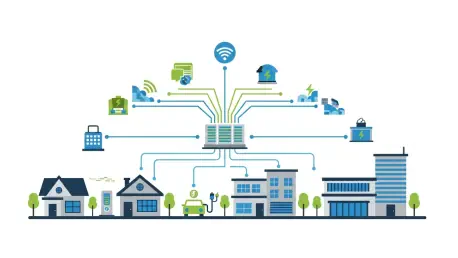
The long-term vision is a fully modernized, efficient, and reliable electrical grid that empowers consumers with greater control and choice over their energy consumption. This new energy paradigm will support the growth of electric vehicles, smart homes, and distributed energy resources, creating a more interactive and responsive energy ecosystem. Ultimately, this transition promises to enhance energy security and drive economic growth.
However, the path forward is not without its challenges. The logistical scale of a nationwide rollout presents significant hurdles, requiring meticulous planning and coordination among various stakeholders. Ensuring robust cybersecurity to protect sensitive consumer and grid data is paramount to maintaining public trust. Additionally, fostering widespread consumer adoption and understanding of the new technology through targeted awareness campaigns will be crucial for unlocking its full potential and ensuring a smooth transition for all.
Conclusion: A New Era for Indian Energy
The landmark installation of one crore smart meters, spearheaded by industry leaders like AESL, solidified a pivotal moment in India’s energy modernization journey. This achievement, a core part of the government’s RDSS initiative, represented more than just a technological upgrade; it marked a tangible step toward a more efficient and transparent power distribution system. The rapid pace of deployment showcased the industry’s capacity to execute large-scale infrastructure projects, setting a strong precedent for the remainder of the national rollout.
Ultimately, the national smart metering trend was a foundational pillar in modernizing the country’s infrastructure and securing its energy future. By tackling long-standing issues like AT&C losses and improving grid management, this initiative directly contributed to the financial stability of the power sector. It laid the groundwork for a grid capable of supporting the nation’s ambitious renewable energy targets and growing electricity demand.
This digital transformation was a critical enabler for a more sustainable and economically efficient energy future for the nation. It empowered consumers, streamlined utility operations, and built a resilient grid ready for the challenges of the twenty-first century. The shift to a smarter grid was not just an evolution of technology but a revolution in how India produced, distributed, and consumed energy.