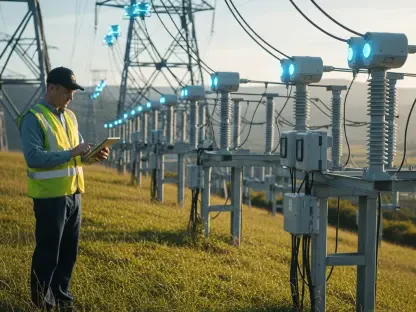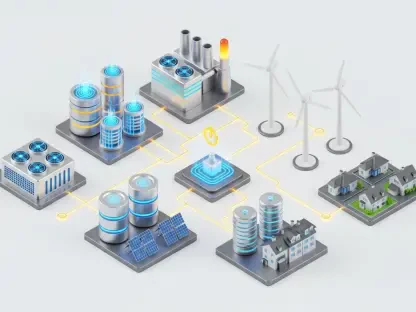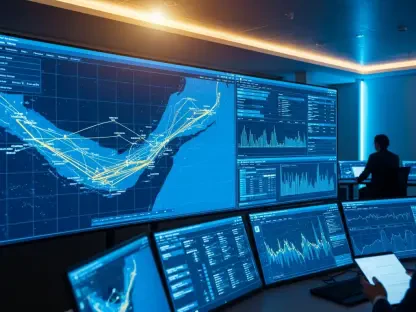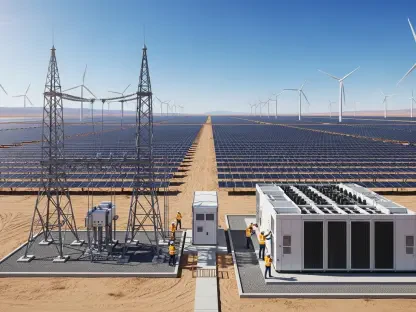

The silent synchronization between a fiber-optic pulse and a high-voltage transformer defines the hidden frontier where modern telecommunications either flourishes or collapses under the weight of unforeseen electrical disruptions. While the telecommunications industry has undergone a radical metamorphosis, moving from manual, labor-intensive operations to AI-driven autonomous frameworks, this digital evolution remains precariously dependent on physical realities. Communication Service Providers (CSPs) have mastered the internal management of data packets and signal frequencies, yet the external dependency on the power grid represents a persistent vulnerability. The realization that network resilience is inextricably linked to the stability of the energy sector has prompted a fundamental reassessment of what it means to be an autonomous operator.
Industry leaders and technology innovators now recognize that true network autonomy cannot exist within a vacuum of internal telemetry. Collaboration between major cloud providers like Microsoft and intelligence platforms like Gisual has highlighted the necessity of bridging the data gap between utilities and telecom centers. The significance of this integration lies in the ability to ingest real-time environmental data, allowing a network to understand not just that a node is down, but why it is down. This shift is redefining the standard for operational continuity in an era where digital services are classified as essential human infrastructure.
Bridging the Gap Between Telecommunications and Global Energy Infrastructure
The journey toward full automation has seen CSPs invest heavily in software-defined networking and sophisticated orchestration layers. However, the external environment often remains a black box to these internal systems. When a primary power source fails, the resulting network alarm frequently looks identical to a hardware malfunction, leading to a breakdown in automated logic. To rectify this, the industry is moving toward a model where grid status is treated as a native data input rather than a secondary consideration. This alignment ensures that the physical infrastructure supporting the digital world is monitored with the same rigor as the software running upon it.
Market players are increasingly focusing on the collaborative role of technology in solving the resilience puzzle. By integrating high-fidelity utility data, providers can prevent the cascade of errors that occur when automation attempts to “heal” a network segment that simply lacks electricity. This synergy creates a more robust ecosystem where power providers and telecom operators share a common operational language. The result is a network that is not only self-managing but also environmentally aware, capable of navigating the complexities of an increasingly fragile global energy landscape.
Navigating the Shift Toward Intelligent Power Integration
Emerging Trends and Technological Drivers in Network Self-Healing
The transition from traditional telemetry to what is now termed “Contextual Automation” represents the next phase of network maturity. In this model, external data points—such as local grid fluctuations, storm paths, and utility maintenance schedules—are fed directly into the decision-making engines of the network. This allows AI and machine learning models to distinguish between a faulty router and a localized power outage with surgical precision. Without this context, even the most advanced AI is prone to making incorrect assumptions that drain resources and prolong downtime for the end user.
Consumer expectations have evolved toward a demand for perpetual connectivity, regardless of environmental volatility. This pressure has forced CSPs to seek out third-party intelligence platforms that provide immediate visibility into the power grid. Platforms like Gisual have emerged as critical intermediaries, offering the real-time insights needed to achieve operational superiority. By leveraging these platforms, providers can transition from a reactive state to a proactive one, where the network anticipates the impact of a power disruption before the first customer call is ever placed.
Market Data and the Financial Trajectory of Grid-Aware Operations
Quantitative analysis of the current operational landscape reveals a significant manual bottleneck that hinders the efficacy of automation. On average, there is an 18 to 24 minute delay in incident verification when a power-related alarm is triggered. During this window, human analysts are forced to manually correlate internal alarms with external utility maps, a process that is both slow and prone to error. This lag time effectively creates a ceiling for how fast a network can recover, regardless of the speed of its underlying hardware.
The financial consequences of this delay are most visible in the prevalence of “dry run” truck rolls. In both North American and European markets, sending a technician to a site where the problem is a utility failure represents a total loss of labor and fuel. Current projections suggest that as the network automation sector incorporates real-time utility insights, these unnecessary dispatches can be reduced by nearly a quarter. Performance indicators such as Mean Time to Repair (MTTR) are showing dramatic improvements when automated power enrichment is applied, allowing teams to focus exclusively on repairs within their control.
Overcoming the Obstacles of the Manual Bottleneck and Grid Fragility
Power disruptions account for approximately 22% of all network outages, a figure that typically spikes during major weather events. These incidents often create ghost outages—scenarios where the network equipment is functional but inactive due to a lack of power. Without integrated grid intelligence, automated systems continue to generate tickets for these events, overwhelming operations centers with noise. Eliminating these ghosts is essential for maintaining a clean and actionable incident queue, which in turn allows for a more efficient allocation of technical expertise.
Technological challenges remain in the effort to sync disparate utility data with sophisticated OSS/BSS frameworks. Utility providers often operate on legacy systems that do not naturally communicate with modern telecom APIs. Scaling automation across diverse regions requires a solution that can normalize this data into a standardized format. Overcoming this hurdle is a prerequisite for any global provider looking to maintain a consistent level of service across territories with varying levels of grid stability and data transparency.
Standardizing Resilience in an Unstable Global Environment
Regulatory compliance and Service Level Agreements (SLAs) are becoming more difficult to satisfy as extreme weather events increase in frequency. Regulators are increasingly scrutinizing how providers manage outages during power crises, demanding a higher level of transparency and faster restoration times. Adhering to these regional standards requires a deep understanding of cross-border energy dependencies, especially in markets where power is imported from neighboring nations. Integrating external data feeds into critical management systems is thus becoming a matter of legal and contractual necessity.
The security implications of integrating external data cannot be overlooked. As network management systems become more interconnected with third-party utility feeds, the attack surface for potential cyber threats expands. Robust encryption and rigorous validation protocols are required to ensure that the data driving automation is authentic and untampered. Furthermore, the global transition toward green energy introduces new variables in grid reliability, as renewable sources can be more intermittent than traditional fossil fuels. Network operational standards must adapt to these fluctuations to maintain the high availability that the modern economy requires.
The Future of Engineered Resilience in Autonomous Networks
Innovations in predictive maintenance are moving toward a reality where grid intelligence allows a network to anticipate an outage before it occurs. By monitoring the health of the power grid and combining it with historical performance data, AI models can identify patterns that precede a failure. This allows the network to reroute traffic or activate backup systems in advance, ensuring that the end user never experiences a service interruption. Such a move from reactive troubleshooting to proactive orchestration marks the pinnacle of engineered resilience.
The rise of grid-native network architectures is expected to be a major market disruptor. These architectures are designed from the ground up to operate in a symbiotic relationship with the energy grid, utilizing smart batteries and localized energy storage to buffer against utility instability. As global electrification continues to put pressure on existing infrastructure, the ability for a network to manage its own power consumption and resilience will become a defining competitive advantage. This evolution represents a shift from simply providing a signal to providing a guaranteed, environment-aware service.
Achieving Operational Excellence Through Automated Grid Intelligence
The analysis demonstrated that network intelligence must extend far beyond the internal perimeter to be truly effective. The research highlighted that the persistent information gap between utilities and telecommunications served as the primary obstacle to achieving full operational autonomy. By examining the data, it was clear that the integration of real-time power insights allowed organizations to bypass the manual verification steps that previously stalled response times. The findings indicated that the ROI gained from eliminating unnecessary field dispatches was substantial enough to justify a total shift in how outages were triaged.
The transition toward automated grid intelligence proved to be a critical step for providers seeking to secure long-term network resilience. The industry moved away from reactive models and embraced a strategy where environmental context was baked into every automated decision. As organizations adopted these real-time data platforms, they saw a measurable reduction in operational friction and a marked improvement in customer satisfaction. Ultimately, the successful closing of the information gap between energy and telecom sectors established a new benchmark for excellence in the digital age.