
The once-unchallengeable dominance of the Golden State in renewable infrastructure is facing a massive disruption as the Texas power grid undergoes a radical and rapid transformation. While California pioneered the early adoption of massive battery arrays, the sheer scale of investment currently flowing into the Lone Star State suggests a definitive shift in the national energy hierarchy. This transition is not merely about bragging rights but represents a fundamental change in how modern grids manage the delicate balance between supply and demand.
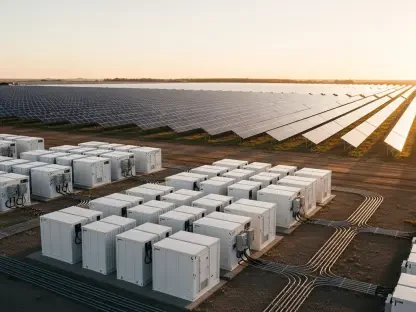
Utility-scale storage systems have become the backbone of this evolution, acting as the primary defense against frequency imbalances and unexpected outages. In the competitive ERCOT market, private developers are deploying projects at a pace that reflects the state’s unique blend of legacy energy expertise and a hunger for technological innovation. These stakeholders are effectively bridging the gap between traditional fuel sources and a future defined by wind and solar variability.
Driving Forces and Market Projections for Lonestar Power
Key Catalysts Behind the Rapid Adoption of Energy Storage
A relentless influx of new residents and the construction of energy-intensive data centers have created a surge in electricity demand that traditional plants struggle to meet alone. This pressure has moved beyond the industrial sector, as homeowners now view residential storage as a critical safety net rather than a luxury. The collective anxiety surrounding grid reliability has transformed a niche product into a household necessity for long-term security.
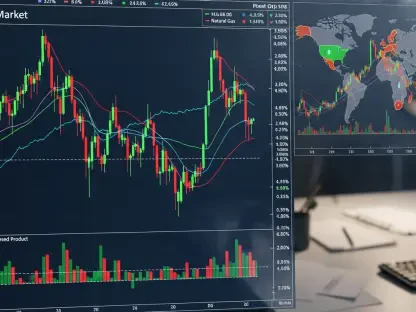
Furthermore, the market-driven structure of the Texas grid provides a lucrative environment for private capital. High price volatility during peak hours offers clear financial incentives for operators who can discharge stored energy when it is most valuable. This economic reality accelerates the deployment of storage technology far faster than in more heavily regulated regions, turning Texas into a high-speed laboratory for grid modernization.
Quantifying the Growth: Statistical Forecasts for the Texas Grid
Current data trajectories indicate that Texas is on a clear path to eclipse previous capacity milestones, with solar-plus-storage projects leading the way. By integrating these systems, developers can capture the immense output of West Texas sun and deliver it to the humid, high-demand coastal cities after dark. This shift ensures that low-cost renewable energy is no longer wasted during hours of oversupply.
Economic indicators suggest that the continued build-out of these facilities will provide a substantial buffer against future price spikes. As more capacity comes online between now and 2028, the grid will gain the flexibility required to absorb sudden shifts in weather or demand. The resulting stability is expected to lower overall costs for consumers while reinforcing the state’s reputation for energy independence.
Navigating the Hurdles of Rapid Energy Infrastructure Expansion
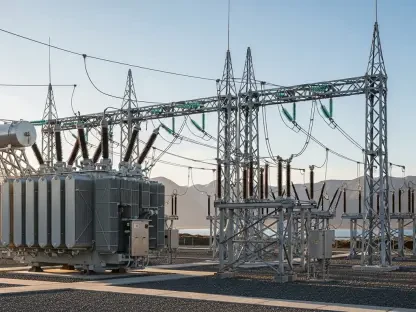
Integrating massive lithium-ion arrays into an aging electrical architecture presents significant technical challenges. Engineers must ensure that these new systems can communicate seamlessly with existing transmission lines without compromising safety or efficiency. Moreover, global supply chain constraints and the rising costs of raw materials continue to put pressure on project timelines and overall capital expenditures.
The memory of past grid failures serves as a powerful motivator for these infrastructure improvements. Stakeholders are focused on ensuring that storage can provide dispatchable power during extreme weather events, preventing the catastrophic loss of life and property. Balancing the intermittent nature of renewables with the need for a constant, reliable flow of electricity remains the central mission of this modern build-out.
The Regulatory Environment and the Push for Residential Resilience
Texas lawmakers have responded to the need for flexibility by streamlining the permitting process for smaller, distributed storage systems. By lowering the barriers to entry for residential installations, state policy is empowering individuals to contribute to grid stability. This decentralized approach complements large-scale industrial projects, creating a multi-layered defense against power disruptions across urban and rural corridors.
ERCOT continues to refine the standards that govern how these assets interact with the market, favoring innovation and rapid response times. Compliance protocols for large-scale installations have been tightened to ensure fire safety and environmental protection in dense industrial zones. Additionally, the strategic use of federal tax credits has acted as a catalyst, allowing the state to maintain its momentum despite shifting economic conditions.
The Horizon of Renewable Integration and Grid Modernization
The future of the sector lies in the development of long-duration storage and emerging battery chemistries that move beyond standard lithium-ion technology. These advancements promise to store energy for days rather than hours, providing a definitive solution to seasonal variability. Texas is positioned as a global blueprint for this transition, demonstrating how a region can successfully merge its oil heritage with a green tech future.
Beyond fixed installations, the potential for vehicle-to-grid capabilities and decentralized microgrids represents the next frontier of expansion. These technologies will allow the millions of electric vehicles on Texas roads to act as a mobile power reserve for the community. Such innovations reflect a broader shift toward a resilient, modernized grid that can adapt to the complex needs of a growing population.
Final Perspectives on the Texas Energy Transformation
The rapid expansion of battery capacity solidified the position of Texas as a dominant force in the national energy landscape. Investors and policymakers recognized that maintaining this momentum required a commitment to both market incentives and rigorous safety standards. The integration of advanced storage technologies proved to be the decisive factor in managing the state’s explosive growth.
Moving forward, the focus shifted toward diversifying storage chemistries and expanding the reach of decentralized microgrids to protect vulnerable communities. By prioritizing infrastructure resilience and long-duration capabilities, the state established a reliable framework that balanced high demand with sustainable supply. The successful modernization of the power grid ensured that Texas remained a global leader in energy innovation for years to come.