
The perception of Oʻahu as a mere victim of global fossil fuel markets is rapidly giving way to a more sophisticated understanding of how localized energy systems actually function in isolation. While many observers view the island’s energy profile as a daunting monolith of petroleum dependency, a granular breakdown of the data reveals a far more nuanced and manageable reality. The challenge of transitioning a densely populated island to renewable power is often overstated because standard metrics fail to distinguish between local civilian needs and the massive energy throughput required for international transit and national defense. By recalibrating the baseline to focus on “useful energy services” rather than raw “primary energy,” the path toward 100% renewable energy becomes not just a visionary goal, but a practical engineering project.
The Isolated Grid: Oʻahu’s Role in Hawaiʻi’s Petroleum-Dominant Landscape
Oʻahu operates as a distinct electrical ecosystem, defined by its absolute lack of physical connection to any other power grid. Unlike continental regions where utilities can import electricity across state lines to balance supply and demand, Oʻahu must generate every kilowatt-hour it consumes in real time. This geographical isolation creates a high-stakes environment for grid management, where the stability of the entire system depends on localized generation assets. Because there is no inter-island transmission, the island’s energy policy is effectively a self-contained strategy, necessitating a level of resilience and redundancy that is rarely required on the mainland.
The economic and demographic concentration on the island further complicates this landscape. With approximately 70% of the state’s population residing on Oʻahu, the island serves as the primary engine for Hawaiʻi’s economy, yet it accounts for roughly 65% of the total energy demand. This slight discrepancy exists because tourism-related aviation and maritime activity are distributed across the neighbor islands, somewhat diluting the energy concentration relative to the population density. Nevertheless, the sheer volume of activity on Oʻahu—driven by the state’s only refinery, its busiest seaport, and a major international airport—makes it the central theater for any serious decarbonization effort.
The current reliance on liquid fuels represents a significant paradox for an island blessed with abundant natural resources. Petroleum products dominate both the electricity sector and the transportation network, creating a system that is sensitive to global price shocks and supply chain disruptions. This infrastructure was built for a different era, one where the convenience of energy-dense liquid fuels outweighed the long-term costs of environmental impact and economic volatility. As the focus shifts toward local independence, the reliance on the refinery at Kapolei is increasingly viewed as a structural vulnerability rather than a strategic asset.
Shifting the Paradigm: From Fossil Fuel Volumes to Useful Energy Services
Emerging Methodologies in Energy Flow Analysis
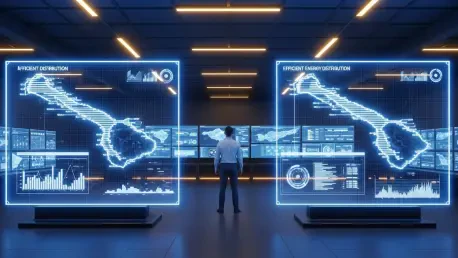
Modern energy planning on Oʻahu is beginning to utilize Sankey diagrams to provide a clearer picture of how energy actually moves from source to service. By measuring flows in gigawatt-hours (GWh) rather than the traditional British Thermal Units (BTUs), analysts can more accurately anticipate a future where the majority of services are provided by electricity. This GWh-based approach provides a common language for comparing the heat-based energy of the past with the electron-based energy of the future. It allows stakeholders to track exactly where energy is lost—most notably in the transition from primary fuel to final work—and identifies the most impactful areas for efficiency improvements.
This shift in methodology highlights the inherent superiority of electric motors over internal combustion engines. In a petroleum-based system, a massive amount of energy is “rejected” as waste heat during the combustion process. For example, when crude oil is refined and then burned to move a vehicle, only a fraction of the original energy actually turns the wheels. Electrification as a baseline methodology anticipates a state where these thermal losses are eliminated. By focusing on the end service—such as cooling a room or moving a person—planners can see that the actual amount of energy required is much lower than the volume of fuel currently imported would suggest.
Performance Indicators and the Primary Energy Fallacy
One of the most persistent obstacles to clear energy policy is the “Primary Energy Fallacy,” which assumes that every unit of fossil fuel must be replaced by an equivalent unit of renewable energy. Currently, Oʻahu’s baseline shows a massive input of approximately 53,000 GWh of crude oil, but only about 6,000 GWh of that energy performs “useful work.” The rest is lost to refinery inefficiencies and heat exhaust from engines and power plants. When the goal is redefined as providing 6,000 GWh of service rather than replacing 53,000 GWh of fuel, the scale of the renewable build-out required becomes significantly more tractable.
The growth of renewable sources such as solar, wind, and waste-to-energy is already beginning to reshape this performance data. Solar energy, in particular, has become a cornerstone of the local grid, providing a growing share of the GWh needed for civilian life without the massive “rejected energy” associated with burning oil. As market data continues to show the efficiency of these technologies, the focus of utility planning is moving away from bulk fuel procurement and toward the management of high-efficiency energy delivery. This transition reveals that a fully electrified Oʻahu could run on a fraction of the primary energy it currently consumes, provided the system is designed for service rather than volume.
Overcoming the “Inflated Baseline” and Structural Inefficiencies
The most striking feature of Oʻahu’s current energy system is the 80% waste rate, a phenomenon largely driven by the thermodynamic limits of combustion. The majority of the energy entering the island is never utilized; it is simply released into the atmosphere as heat. Addressing this “rejected energy” is the most effective way to lower the barrier to decarbonization. By moving away from centralized combustion plants and toward distributed renewable generation and electric transport, the island can bypass the massive structural inefficiencies that have historically defined its energy landscape. This shift represents a transition from a thermal-dominated economy to a work-dominated economy.
Furthermore, the baseline for Oʻahu’s energy demand is often “inflated” by including sectors that do not serve the local civilian population. International aviation and trans-Pacific maritime shipping use Oʻahu as a refueling stop, but the energy they consume is used to transport goods and people across the globe, not across the island. Similarly, military operations involve logistics and fuel storage that support national security missions throughout the Pacific. When these global and federal flows are stripped away, the remaining civilian energy requirement is much smaller. Recognizing this “scale illusion” allows local policymakers to focus on a manageable project: powering the homes, businesses, and ground transportation of Oʻahu residents.
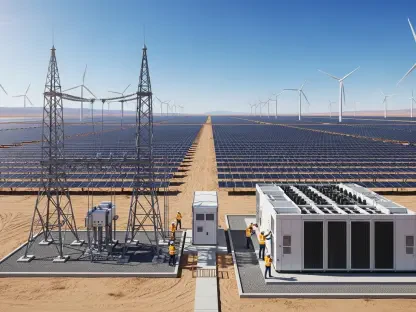
The physical transition of the legacy infrastructure poses its own set of challenges, particularly regarding the state’s only petroleum refinery. Transforming a facility designed for crude oil processing into a hub for renewable fuels or energy storage requires significant technological innovation. Additionally, managing intermittent renewable energy on an isolated grid necessitates advanced stability solutions. Without the benefit of external backup power, Oʻahu must lead in the deployment of grid-forming inverters and long-duration storage. These physical and technological hurdles are significant, but they are localized and solvable within the framework of a redefined, smaller civilian baseline.
The Regulatory Landscape: Separating Local Policy from National Strategy
Navigating the regulatory environment of Oʻahu requires a clear distinction between local civilian energy needs and federally managed military logistics. The presence of Joint Base Pearl Harbor-Hickam and other major installations means that a portion of the island’s energy infrastructure is governed by the Department of Defense rather than state utility regulators. This jurisdictional boundary is critical for decarbonization planning, as the military’s fuel requirements are often dictated by national strategic interests that may not align with the state’s renewable mandates. Separating these two spheres allows the state to pursue its own goals without being hindered by the complexities of federal fuel procurement.
Local decarbonization mandates, such as the goal of achieving 100% renewable energy by 2045, provide a powerful framework for utility planning and building codes. These state-level policies have a direct impact on how the island’s grid evolves, encouraging the adoption of rooftop solar and the electrification of water heating. However, the legacy of the Red Hill fuel storage facility continues to influence energy policy and public sentiment. The regulations surrounding fuel storage and environmental protection have become central to the island’s energy conversation, emphasizing the need for a transition that prioritizes water security and public health alongside carbon reduction.
International aviation and maritime activities present a different regulatory challenge, as they sit largely outside the control of local government. Emissions from trans-Pacific flights and cargo ships are managed through international frameworks, making it difficult for Oʻahu to mandate specific renewable targets for these sectors. However, by excluding these “bunker fuels” from the local civilian baseline, the island can focus its policy efforts on the areas where it has the most influence. This strategic separation ensures that the island’s progress toward its renewable goals is not obscured by the massive energy demands of global transportation networks that happen to transit through its territory.
Future Directions: A Blueprint for a High-Efficiency Civilian Economy
The primary strategy for achieving a sustainable future on Oʻahu is the total electrification of civilian services. Replacing internal combustion engines with electric vehicles and traditional water heaters with heat pumps will dramatically reduce the total primary energy required to maintain the island’s standard of living. This “electrify everything” approach leverages the high efficiency of electric motors and heat exchange systems to collapse the energy demand. As more sectors move toward electricity, the overall complexity of the energy system decreases, moving from a multi-fuel petroleum network to a streamlined, electron-based grid.
This transition also serves to decouple the local economy from the volatility of global energy markets. By removing international bunker fuels and military logistics from the local baseline, Oʻahu can focus on developing its own renewable resources—primarily solar and wind. This shift toward energy independence reduces the island’s exposure to geopolitical events and supply chain disruptions that affect the price of crude oil. The innovation in storage technologies, particularly those tailored for the tropical climate and the unique needs of an island grid, will play a crucial role in this process. Emerging battery chemistries and long-duration storage solutions are becoming increasingly viable, providing the necessary buffer for a grid powered by intermittent renewables.
Sector-specific growth in local transit and residential efficiency offers the most immediate opportunities for meeting the 2045 climate goals. Improving the efficiency of buildings and expanding the use of shared electric mobility can further reduce the energy footprint of the civilian economy. These localized improvements, while smaller in scale than a global refinery, collectively contribute to a more resilient and sustainable island. By focusing on the “useful energy” needed for daily life, Oʻahu can build a high-efficiency civilian economy that serves as a global model for island communities and isolated regions everywhere.
Strategic Outlook: Achieving a Tractable Path to 100% Renewables
The comprehensive recalibration of Oʻahu’s energy baseline successfully demonstrated that the transition to a renewable future was a more manageable undertaking than raw statistics once suggested. By isolating the civilian energy requirements from the noise of international maritime and military logistics, planners were able to identify a much smaller and more focused target for renewable generation. The data clarified that the primary challenge was not a lack of energy, but a historic abundance of waste. The shift in perspective allowed for a more strategic allocation of resources, focusing on the infrastructure needed to provide useful services rather than maintaining the volume of primary fuel inputs.
Actionable insights for policymakers emerged from this analysis, emphasizing the need to prioritize electrification as the most effective tool for demand reduction. It was found that by focusing on useful energy, the scale of the necessary renewable build-out was reduced by more than half compared to traditional models. This realization improved the investment prospects for solar and wind projects, as the path to total energy independence appeared increasingly achievable within existing technological and land-use constraints. The strategic focus moved away from the daunting task of replacing millions of barrels of oil and toward the realistic goal of managing a high-efficiency electric grid.
Ultimately, the reimagining of Oʻahu’s energy system provided a blueprint for high-efficiency, renewable-driven life on an isolated island. The strategic outlook confirmed that the path to 100% renewables was not only possible but was the most logical progression for an economy looking to modernize its infrastructure. The focus on civilian needs ensured that the benefits of the transition—lower costs, increased stability, and environmental protection—were directly realized by the people of the island. Oʻahu transitioned from being a passive recipient of global fuel flows to an active leader in the design of a resilient and efficient energy future.