
The Rising Tide: Renewable Energy Procurement Costs in 2025
The relentless expansion of digital infrastructure and a tightening regulatory environment have pushed North American renewable energy Power Purchase Agreement prices to heights that seemed improbable just a few years ago. As the market finalized data from the previous cycle, a clear trend emerged showing that the cost of securing clean energy rose by approximately 9% across the continent. This shift signals a departure from the historical era of consistently falling prices, driven by a convergence of high interest rates, grid congestion, and a massive spike in industrial power consumption. Stakeholders must now operate within a “new normal” where the availability of green power is no longer guaranteed at low rates.
This analysis explores the multifaceted drivers behind this price surge, ranging from legislative overhauls to the unprecedented electricity demand generated by the technology sector. By examining regional data and emerging contract structures, it becomes possible to understand how developers and offtakers are navigating an increasingly complex energy market. The current environment necessitates a deeper look at the systemic pressures that turned 2025 into a pivot point for the energy transition, as the industry balances aggressive decarbonization goals against the hard realities of infrastructure and supply chain constraints.
Historical Context: The Catalyst for Change
To understand the recent price spike, it is essential to look at the foundational shifts that occurred leading into the current period. For a decade, the renewable energy sector enjoyed a period of declining costs driven by technological maturity and robust federal subsidies that made wind and solar the most competitive options on the grid. However, the market reached a critical transition point as infrastructure bottlenecks and supply chain vulnerabilities began to outweigh traditional efficiency gains. Past developments, such as the initial rush to meet ambitious corporate ESG goals, set the stage for a high-demand environment that the existing grid was ill-prepared to handle.
These historical factors are crucial because they explain why the market is now so sensitive to any disruption in supply or increase in development costs. The 2025 price surge was not a random fluctuation but rather a culmination of long-standing systemic pressures, including aging transmission lines and a permitting process that has struggled to keep pace with project pipelines. As the industry moved toward 2026, the cumulative impact of these delays became visible in the form of higher contract premiums and extended negotiation timelines for new capacity.
Market Dynamics: Analyzing Regional Divergence
Grid Infrastructure: The Driver of Regional Price Divergence
The increase in pricing is far from uniform across North America, as local grid dynamics play a decisive role in determining the final cost of energy. In the ERCOT territory of Texas, wind PPA prices saw a dramatic 19% year-over-year increase, driven by rapid industrial growth and significant grid congestion that hindered the delivery of power to high-demand centers. Conversely, regions like the Midcontinent Independent System Operator (MISO) and the Southwest Power Pool (SPP) saw a slight dip in wind pricing during the latter half of the year. This contrast highlights a critical challenge: while the demand for renewables is nationwide, the ability of the grid to integrate and transmit this power varies wildly by geography.
Policy Shifts: Navigating the New Regulatory Landscape
A major contributor to recent price volatility was the implementation of the “One Big Beautiful Bill Act,” which significantly scaled back long-standing renewable energy incentives. This federal policy shift triggered a period of intense development as firms rushed to lock in remaining credits before the new rules took full effect. While research suggests a level of resilience—with roughly 75% of projects still expected to qualify for some form of tax benefit—the loss of certain financial cushions has forced developers to pass higher costs to buyers. Furthermore, evolving federal permitting procedures and uncertainties regarding international tariffs continue to stall substantial amounts of development, tightening supply at a time when demand is peaking.
The AI Revolution: An Insatiable Appetite for Power
The surge in energy prices is inextricably linked to the rapid expansion of data centers, fueled by the artificial intelligence revolution. Tech hyperscalers are seeking vast amounts of carbon-free energy to power AI workloads, leading to projected electricity price hikes of up to 14% in high-demand regions like the Mid-Atlantic’s PJM grid. Unlike previous demand cycles, the current appetite for power appears to be a structural shift rather than a temporary bubble. Even if data center growth experiences a localized slowdown, the broader trend of industrial electrification and the transition to electric vehicles ensures a high floor for energy demand. The reality is that the industry cannot build generation or transmission infrastructure fast enough to keep pace, ensuring that prices remain under upward pressure from 2026 to 2028.
Future Perspectives: Technological Innovations and Storage Solutions
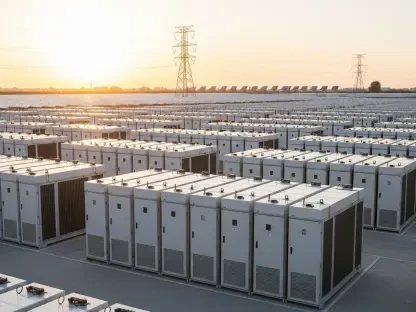
As the market matures, the industry is looking toward technological and contractual innovations to solve the supply-demand imbalance. One of the most significant shifts is the rise of the Energy Storage Agreement (ESA). Unlike traditional contracts that focus purely on energy delivery, ESAs allow offtakers to pay for the right to control battery discharge, providing “accredited capacity” that is vital for maintaining grid stability during peak hours. However, this emerging sector faces its own hurdles, particularly regarding supply chain dependencies and regulations concerning foreign entities of concern. Moving forward, the integration of long-duration storage and the potential for small modular nuclear reactors may begin to supplement wind and solar, though these technologies remain in the early stages of large-scale commercial deployment.
Strategic Maneuvers: Guidance for Energy Stakeholders
For businesses and investors, the current market requires a shift from passive procurement to active energy management. Key strategies include diversifying procurement portfolios across different regional grids to mitigate localized price spikes and exploring integrated storage solutions to ensure reliability. Best practices now involve longer lead times for project negotiations and a deeper involvement in the interconnection process to avoid late-stage project failures. Professionals must also stay agile regarding federal policy changes, as regulatory shifts remain the primary wildcard in project financing. By understanding that the era of cheap and easy renewables has passed, stakeholders can better position themselves to secure capacity in an increasingly competitive and expensive environment.
Retrospective Analysis: The Final 2025 Renewable Outlook
The North American renewable energy market in 2025 functioned as a complex synthesis of high demand, legislative transition, and infrastructure constraints. While the surge in prices presented a significant hurdle for corporate buyers, the underlying drive toward decarbonization remained robust, supported by the critical needs of the technology and industrial sectors. This period of price discovery and contractual innovation represented a necessary evolution as the continent moved toward a more mature and resilient clean energy grid. Ultimately, the ability to adapt to higher costs and more complex regulatory environments distinguished the leaders in the energy transition. Stakeholders who prioritized long-term grid stability over short-term savings successfully secured the capacity needed to fuel future growth.