
The flicker of a kitchen light bulb during a summer storm has transformed from a minor household annoyance into a profound symbol of systemic vulnerability in the American infrastructure landscape. This shift in consciousness indicates that energy reliability is no longer a technical concern reserved for engineers but a fundamental “kitchen table” issue for the average family. As cultural symbols of utility poles and electrical grids begin appearing on massive stages like the Super Bowl, it is evident that the public’s relationship with power has changed. The expectation for a constant, invisible flow of electricity is being replaced by an acute awareness of the fragile systems that provide it.
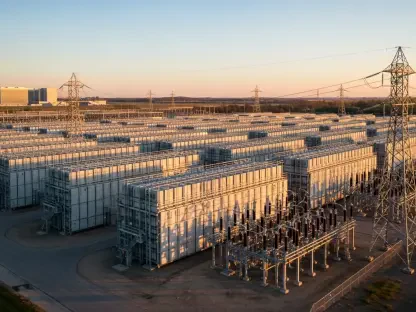
Moving beyond the simple mechanics of a light switch, the dialogue around the grid now focuses on the evolution of 21st-century expectations versus 20th-century reality. The current American infrastructure faces a “fit-for-purpose” challenge, as many components were never designed to handle the volatile weather patterns and high-density loads of today. This disconnect creates a sense of urgency for modernization that extends beyond mere maintenance. To meet the demands of a digital and electrified society, the grid must transform from a rigid, centralized network into a flexible and responsive ecosystem capable of protecting households from the increasing frequency of interruptions.
From Super Bowl Stages to Kitchen Tables: The New Energy Consciousness
The cultural shift regarding energy is visible in the way mainstream media and global performances now utilize energy symbolism to mirror societal struggles. When a global superstar performs amidst imagery of utility poles, it serves as a powerful reminder of the systemic failures that have left entire regions in the dark. This mainstreaming of energy politics reflects a broader realization that the grid is the lifeblood of modern existence, and its instability is a shared vulnerability. Consequently, the technical niche of grid reliability has moved into the heart of household security, influencing how people view everything from appliance purchases to neighborhood resilience.
The fundamental challenge remains that much of the existing infrastructure is no longer suitable for the expectations of a modern economy. While the previous generation relied on a predictable, steady supply of power from a handful of large plants, the current landscape requires a system that can handle dynamic inputs and unpredictable threats. This failure to meet 21st-century expectations is not just an inconvenience; it is a systemic risk that threatens the economic and social fabric of the nation. As people become more aware of these limitations, the demand for a modernized, resilient, and transparent energy system continues to grow across all demographics.
The High Cost of Fragility: Learning from Puerto Rico and Texas
Examining the long-term impact of Hurricane Maria provides a sobering Caribbean warning about the vulnerability of centralized island grids. The destruction of Puerto Rico’s power system in the previous decade illustrated how a lack of redundancy can lead to the longest blackout in United States history. Even years after the initial disaster, the grid remains precarious, demonstrating that a narrow resource range and a lack of decentralized options create a recipe for systemic failure. These events serve as a permanent reminder that fragility in energy systems has human costs that persist long after the storm clouds have cleared.
The 2021 Texas crisis during Winter Storm Uri further underscored the devastation that occurs when a grid is unprepared for extreme weather fluctuations. The freeze led to a catastrophic collapse that left millions without heat or water, resulting in hundreds of deaths and staggering economic losses. This failure highlighted the “old way” of grid management, which prioritized low costs over necessary weatherization and resource diversity. By analyzing these two distinct geographical failures, it becomes clear that relying on a brittle, centralized model without adequate hardening is no longer a viable strategy for any region.
A Perfect Storm of Surging Demand and Evolving Threats
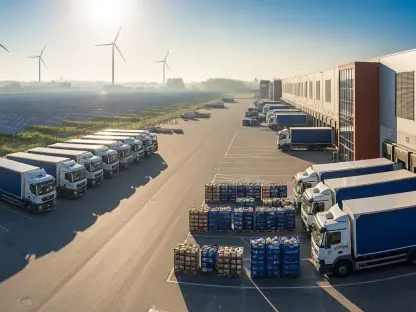
The energy sector is currently navigating a period of unprecedented strain driven by the AI revolution and the massive power requirements of modern data centers. These facilities consume electricity at a scale that was previously unimaginable, creating a constant baseload demand that challenges existing capacity. Simultaneously, the reshoring of domestic manufacturing and the rapid electrification of the transportation sector are adding layers of complexity to the grid. The return of heavy industry and the shift toward electric vehicles mean that the system must not only be resilient but also significantly more robust than it was even a few years ago.
Beyond rising demand, the grid faces a “new normal” of threats ranging from sophisticated cyber-attacks to the intensifying effects of extreme heatwaves and wildfires. These environmental and security challenges require a shift in how utilities approach risk management and infrastructure protection. The economic toll of this instability is already being felt, with approximately 73% of Americans expressing deep concern over rising utility costs and the threat of energy poverty. For many, the risk of a failing grid is compounded by the financial burden of an inefficient system that struggles to adapt to the realities of a changing climate and a digital-first economy.
The Kimberly Johnston Perspective: Lessons from Winter Storm Fern
Kimberly Johnston, CEO of NextGen Energy, suggests that comparing the events of 2021 to the outcomes of Winter Storm Fern in 2024 offers a blueprint for success. While the earlier storm caused millions of outages, the 2024 event saw that number drop to roughly 60,000, despite similar weather conditions. This dramatic improvement was the result of a rapid push toward diversification and the integration of more flexible power sources. This comparison proves that proactive investments in grid variety and hardening can significantly mitigate the human and economic impact of severe weather events.
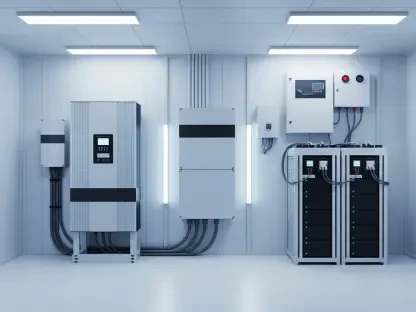
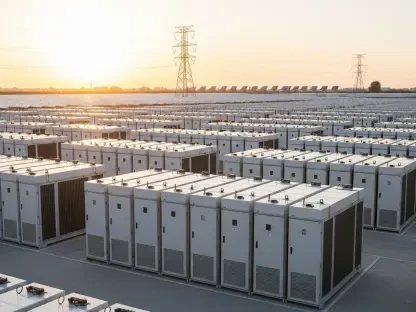
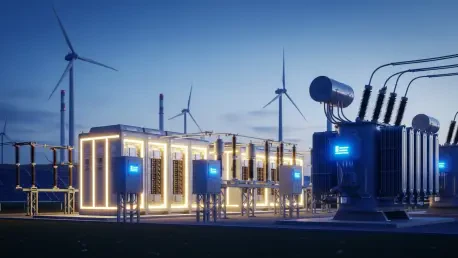
A critical component of this newfound stability is the 2,500% boom in battery storage, which added approximately 17 GW of capacity to the system in a short timeframe. This massive increase in storage allows for the stabilization of intermittent power sources like wind and solar, ensuring that energy is available even when the sun is not shining or the wind is not blowing. Moreover, the strategy emphasizes that weatherized natural gas remains a critical flexible backstop for renewable generation. By balancing the scales between new technology and hardened traditional infrastructure, grid operators can maintain a steady flow of power regardless of external conditions.
Frameworks for a Resilient Future: Strategies for Grid Modernization
Implementing a “diversified portfolio” approach is the most effective way to eliminate single points of failure within the energy ecosystem. By spreading generation across a wide variety of sources and locations, the grid becomes less susceptible to the failure of any one component. Scaling Distributed Energy Resources, or DERs, is a vital part of this strategy, as it leverages microgrids and local storage to protect essential services like hospitals and emergency response centers. This shift toward a more decentralized model allows communities to remain functional even if the primary transmission lines are compromised by weather or other threats.
Moving from a centralized to a decentralized power ecosystem requires a commitment to a weatherization mandate and the hardening of traditional infrastructure. This involves practical steps to protect equipment from extreme temperature fluctuations and ensuring that all parts of the system are built to survive the harshest conditions. By building a network that can respond locally while acting globally, the nation can create a power grid that is truly fit for the future. The ultimate goal is to transform the energy system into a resilient foundation that supports economic growth and public safety in an increasingly unpredictable world.
The strategic transition toward a more robust and decentralized energy framework addressed the immediate needs of a rapidly evolving society. Industry leaders prioritized the integration of storage and diversified generation to mitigate the risks of climate volatility. These efforts eventually fostered a more reliable utility environment where local communities gained greater control over their power security. The collective move away from fragile, centralized models ensured that the national infrastructure remained functional despite the increasing complexity of global demand. These advancements proved that a proactive approach to grid resilience was the only sustainable path forward.