
Massachusetts residents have long grappled with some of the most burdensome electricity bills in the nation, prompting a drastic strategic shift in how the state manages its power grid and resource procurement. Governor Maura Healey recently responded to this economic pressure by issuing a sweeping executive order that mandates the development of 15 gigawatts of energy resources by 2035. This directive serves as a blueprint for a more resilient energy future, aiming to dismantle the volatility of a market currently dominated by fluctuating fuel costs. By setting firm capacity targets, the administration intends to provide clear market signals that will encourage private investment and accelerate the deployment of local energy generation. The initiative splits the 15-gigawatt goal into two primary components: a 10-gigawatt target for general energy resources and a dedicated 5-gigawatt allocation for energy storage. This aggressive move seeks to transform the state from a passive consumer into an active manager of its own energy destiny.
Strategic Framework: Resource Allocation and Grid Modernization
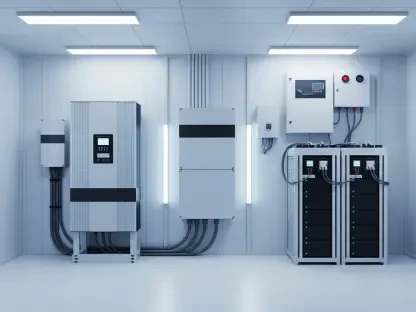
Within the broader 10-gigawatt goal for general energy resources, the Commonwealth is prioritizing a diversified portfolio that emphasizes both generation and efficiency to ensure long-term sustainability. Specifically, the mandate calls for the installation of 4 gigawatts of new solar energy capacity, which is expected to provide a consistent stream of carbon-free power during peak daylight hours. Complementing this generation is a focus on 3.5 gigawatts of demand-side reductions, a category that includes sophisticated energy efficiency programs and the expansion of virtual power plants. These virtual systems allow the state to aggregate small-scale energy resources, such as residential batteries and managed electric vehicle charging stations, into a cohesive network that can respond to grid stress. By treating conservation and distributed storage as equivalent to traditional power plants, Massachusetts is effectively redefining what constitutes a reliable energy resource in the modern era.
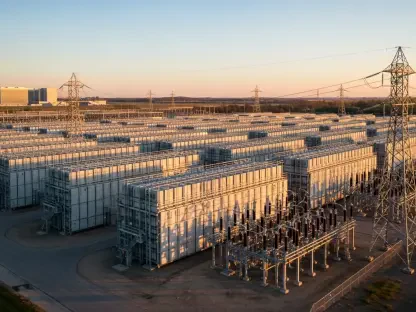
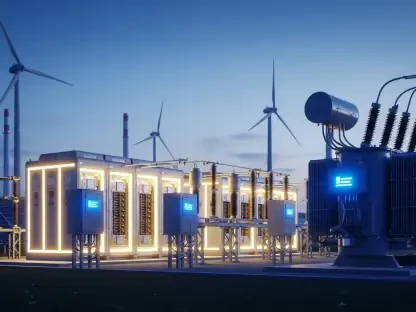
The integration of 5 gigawatts of dedicated energy storage represents the most significant push for battery technology in the state’s history, providing the necessary buffer to manage intermittent renewables. As solar and wind contributions grow, storage becomes the linchpin that allows the grid to capture excess energy during periods of high production and release it when demand spikes. This storage mandate is designed to work in tandem with the Office of Energy and Environmental Affairs to streamline existing initiatives and remove persistent bureaucratic barriers that have slowed deployment. Furthermore, the state is collaborating with utility companies to improve the speed and transparency of grid interconnections, ensuring that new projects can come online without years of administrative delay. This systematic overhaul of the interconnection process is essential for meeting the 2035 targets while maintaining a steady flow of investment from the private sector.
Reliability Balancing: Integrating Clean Energy with Existing Assets
While the push for renewable energy is aggressive, the state administration has acknowledged that maintaining short-term reliability requires the strategic use of existing fossil fuel infrastructure. The executive order specifically directs a comprehensive evaluation of gas and oil storage assets, including the Everett Marine Terminal, which remains vital for regional heating and power. During the extreme cold of the New England winter, liquefied natural gas facilities provide the necessary surge capacity to keep the lights on when traditional pipelines reach their maximum limits. This realistic appraisal of current system constraints highlights a pragmatic approach that seeks to bridge the gap between today’s gas-dependent grid and the carbon-free vision of the future. By securing these legacy assets for peak demand events, the state aims to prevent the catastrophic price volatility and potential blackouts that can occur when energy supplies fall short during severe weather.
Major utility providers, including Eversource, have voiced their support for this “all-of-the-above” strategy, emphasizing that addressing supply constraints is fundamental to regional affordability. Industry experts note that while renewable energy and storage are the ultimate goal, the transition must be managed in a way that does not compromise the immediate safety and comfort of residents. The focus on maintaining the Everett Marine Terminal and similar assets provides a safety net that allows the state to pursue its 15-gigawatt target with greater confidence. This dual-track strategy also involves coordinating with neighboring states to ensure that regional energy markets remain balanced and that transmission bottlenecks do not hinder the flow of electricity. By fostering a collaborative relationship between state regulators and private utilities, the administration hopes to create a unified front that can tackle the complex logistics of modernizing the power grid.
Future Outlook: Implementing Scalable Solutions for Grid Stability
The implementation of this executive order provided a clear roadmap for Massachusetts to navigate the complexities of a changing energy market while prioritizing the financial well-being of its citizens. By focusing on a combination of 15 gigawatts of new resources and the maintenance of essential legacy infrastructure, the state established a balanced framework that addressed both growth and reliability. Proponents argued that this strategy successfully shielded ratepayers from the inherent risks of fossil fuel reliance by locking in long-term, fixed-price contracts for clean energy generation. Meanwhile, the administration worked to resolve the logistical hurdles of grid interconnection, which had previously stifled the growth of the solar and storage sectors. This comprehensive approach demonstrated a commitment to using every available tool, from virtual power plants to large-scale batteries, to stabilize utility costs. The focus shifted toward creating a decentralized system that rewarded efficiency and localized production.
Moving forward, the success of this initiative will depend on the continuous refinement of interconnection standards and the rapid scaling of demand-management technologies across the residential and industrial sectors. Decision-makers should focus on expanding the reach of virtual power plant programs to ensure that every household with a smart appliance or electric vehicle can contribute to grid stability. Furthermore, the state must continue to engage in regional collaboration to optimize transmission planning, as the benefits of local storage and generation are maximized when they are integrated into a robust New England-wide network. Investing in workforce development for the clean energy sector will also be a critical next step to ensure that the necessary expertise is available to build and maintain this massive influx of new infrastructure. By maintaining this trajectory, Massachusetts can serve as a primary model for other states looking to decouple their economic prosperity from the volatility of global energy commodities.