
Massachusetts stands at a transformative juncture in its energy evolution, driven by a 2021 legislative mandate to reach net-zero carbon emissions by 2050 through a complete overhaul of its electrical infrastructure. A landmark report from Synapse Energy Economics suggests that the Commonwealth can meet its highest electricity demands without relying on traditional fossil-fuel “peaker” plants, which have historically been the backbone of grid reliability during periods of extreme stress. By pivoting toward a “clean peak” strategy that integrates renewable energy, advanced battery storage, and smart demand management, the state could establish a more sustainable and cost-effective electrical grid than current utility models. This shift is not merely an environmental aspiration but a practical response to the decreasing costs of wind and storage technology compared to the rising expenses associated with maintaining aging oil and gas infrastructure. As the state moves further into this decade, the focus has shifted from whether a carbon-free grid is possible to how quickly the necessary hardware and market reforms can be deployed to ensure a seamless transition for millions of residents and businesses.
The Structural Blueprint for a Clean Energy Portfolio
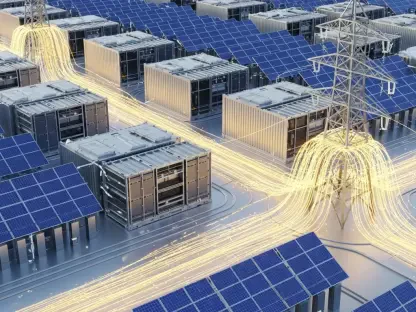
The proposed transition centers on a specific resource portfolio designed to phase out combustion while keeping the lights on during the most challenging weather conditions. This ambitious plan calls for a massive rollout of 6.4 GW of wind energy, 6.9 GW of storage capacity, and 4.2 GW of demand-side resources to create a balanced ecosystem of supply and flexibility. Wind energy, particularly from offshore developments, is expected to provide the bulk of the raw power, taking advantage of the high-velocity gusts found off the New England coast. Meanwhile, demand-side resources will involve sophisticated programs that allow the grid to “talk” to smart appliances and industrial equipment, automatically reducing consumption when the system reaches its limit. This integrated approach moves away from the old model of simply building more power plants, instead focusing on a more intelligent, responsive network that treats efficiency as a primary energy source.
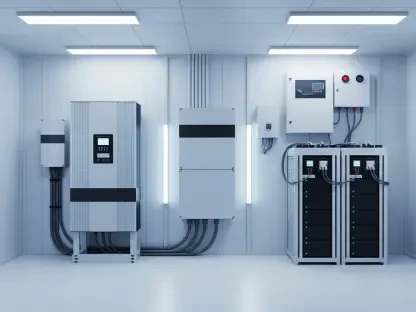
A standout feature of this strategy is the heavy emphasis on multi-day energy storage systems, which differ fundamentally from the standard short-term lithium-ion batteries commonly seen in today’s electric vehicles and residential setups. While four-hour batteries are excellent for smoothing out daily solar fluctuations, the Synapse report highlights that two-thirds of the storage component must consist of long-duration systems capable of discharging power over several days. These systems are vital for sustaining power during extended periods of low renewable production, known as “renewable droughts,” ensuring the grid remains stable even when the wind isn’t blowing or the sun isn’t shining for a week at a time. By prioritizing these advanced technologies, Massachusetts aims to eliminate the need for backup “green” combustion options, such as hydrogen or renewable natural gas, which currently remain prohibitively expensive and logistically complex to implement at a meaningful scale.
Navigating Seasonal Shifts and Market Barriers
The state’s energy profile is undergoing a fundamental shift as residents trade gas furnaces for heat pumps and internal combustion engines for electric vehicles in record numbers. Experts predict that Massachusetts will flip from a summer-peaking system, driven by air conditioning, to a winter-peaking system by the mid-2030s, creating entirely new reliability challenges for grid operators. Because solar production is significantly lower during the short, often overcast days of winter, the grid will have to lean heavily on offshore wind power and long-duration storage to handle the increased load during intense cold snaps. This seasonal inversion requires a rethink of how energy is harvested and stored, as the peak demand will now coincide with the times of year when the natural environment is most demanding on physical infrastructure and energy reserves alike.
Current regulatory structures and market dynamics present an additional, significant obstacle to this clean energy transition that goes beyond mere technological availability. Historically, the regional power market managed by ISO New England has favored established fossil-fuel generators through its capacity auctions and accreditation models, which were designed for a different era of power generation. While reforms are expected by 2028 to modernize the market and introduce a “prompt” auction model, advocates remain concerned that the current system still incentivizes the retention of aging, high-emission plants. These legacy rules often undervalue the flexibility and rapid response times of battery storage and demand-side management, making it difficult for clean developers to compete on a level playing field. Reforming these financial incentives is just as critical as the engineering itself, as it dictates where private capital will flow over the next decade.
Balancing Grid Reliability and Infrastructure Modernization
Not everyone in the energy sector is convinced that a total move away from combustion is safe or even feasible given the current state of technology. Industry representatives argue that New England’s volatile weather requires “energy addition” rather than the immediate retirement of thermal assets that have served the region for decades. They point to extreme winter deep freezes where natural gas is prioritized for home heating, sometimes forcing power plants to rely on backup fuel oil to prevent widespread blackouts. From this perspective, maintaining a fleet of traditional plants serves as a necessary insurance policy against the potential failure of an all-electric system during prolonged, catastrophic weather events. This debate highlights a central tension in the transition: the need for rapid decarbonization versus the absolute requirement for 24/7 reliability in a region where cold weather can be a matter of life and death.
Bridging the gap between these opposing views will require aggressive strategic investments and a willingness to overhaul the state’s permitting and siting processes. Success depends on commercializing storage technologies that can discharge power over several days and expanding demand response programs that reward consumers for shifting their energy use via automated smart-home systems. Furthermore, state regulators must streamline the approval of wind and transmission projects, which often face years of litigation and local opposition, while simultaneously accounting for the public health costs associated with fossil-fuel combustion. As Massachusetts moves forward from 2026 to 2030, the focus must remain on building a sophisticated grid that manages energy demand just as actively as it manages supply. Only by treating the grid as a holistic, high-tech instrument can the Commonwealth achieve its climate mandates without sacrificing the reliability that its modern economy and residents require.