
The structural disintegration of the traditional state-led electricity monopoly has paved the way for a radical redesign of how the southern tip of Africa generates and consumes its power. For decades, the national economy remained tethered to a centralized, coal-heavy grid that struggled to meet the demands of a modern industrial society. However, the current landscape reflects a rapid transition toward a diversified and decentralized energy mix, where the grip of aging thermal plants is finally loosening. This evolution is not merely a environmental necessity but a strategic pivot toward national energy security.
The Free State province has emerged as the unexpected heart of this revolution, transforming from an agricultural stronghold into a critical hub for renewable energy generation. Projects like Naos-1 leverage the region’s high solar irradiance, effectively decentralizing the power map and reducing the historical reliance on the coal belts of the northeast. This geographic shift is essential for building a resilient network that can withstand localized failures and technical debt inherited from the previous century.
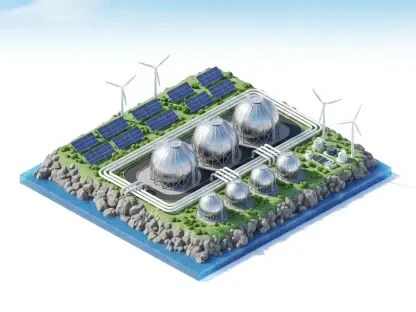
Private developers, most notably the SOLA Group, are now the primary architects of this stabilization. By stepping into roles previously reserved for the state utility, these entities are providing the capital and technical expertise required to shore up the national supply. The integration of technology has also moved beyond simple solar PV installations; we are now seeing the rise of utility-scale hybrid storage solutions that treat renewable energy as a predictable, dispatchable resource rather than an intermittent supplement.
Emerging Trends and Economic Drivers in the Hybrid Energy Market
Technological Evolution and the Shift Toward Dispatchable Renewables
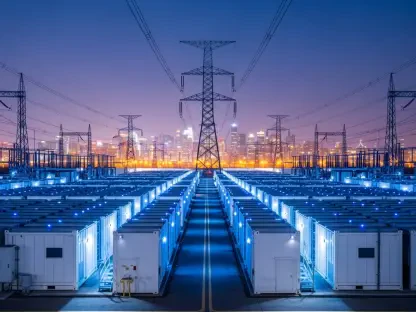
The technical narrative of the South African market has moved decisively from simple generation to sophisticated energy management. The primary challenge of solar power has always been its daylight dependency, but the introduction of massive Battery Energy Storage Systems (BESS) is changing that calculus. By pairing 300 MW of solar capacity with a 660 MWh storage component, facilities can now provide power during the evening peaks when the grid is most vulnerable. This ensures that green energy is no longer a fair-weather friend but a 24/7 industrial asset.
Consumer behavior among the country’s industrial elite has shifted accordingly. Heavyweights like Sasol and Air Liquide are no longer looking for short-term fixes to avoid load-shedding; they are signing long-term Power Purchase Agreements (PPAs) to hedge against volatile electricity pricing and carbon taxes. These corporations are essentially “wheeling” power across hundreds of kilometers of national grid lines, using digitalized monitoring systems to ensure that every kilowatt generated in the Free State is accounted for at their industrial sites in Secunda.
Market Projections and the Financial Momentum of Green Infrastructure
The financial appetite for these projects is reflected in the staggering growth of the sector. Since the start of the current decade, solar capacity has surged by over 200%, backed by an influx of R350 billion in private sector capital. This momentum suggests that the national target of 40% clean energy by 2030 is not just a political aspiration but a mathematically probable outcome. The sheer volume of investment indicates that the private sector now views energy infrastructure as one of the most stable asset classes in the region.
Performance indicators from the Naos-1 financial close have established a new benchmark for what is possible in the hybrid space. The project demonstrated that local commercial banks and development finance institutions are ready to back large-scale, complex storage projects without requiring the sovereign guarantees that once hindered private participation. This newfound financial confidence is shortening the lead times for subsequent projects, creating a pipeline of energy infrastructure that is decoupled from state budgetary constraints.
Overcoming Structural Bottlenecks and Grid Capacity Challenges
A significant hurdle remains in the physical reality of the national transmission network. There is a glaring mismatch between where the sun shines brightest and where the existing high-voltage lines are thickest. This geographical gap has led to a bottleneck of approximately 6,000 MW, where finished or shovel-ready projects sit idle because the grid cannot yet absorb their output. Solving this requires more than just new solar panels; it requires a total modernization of the transmission backbone.
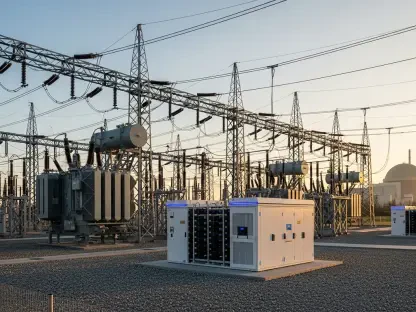
The Independent Transmission Projects (ITP) program is the proposed solution to this grid congestion. By inviting private capital to build and operate transmission lines, the government is attempting to replicate the success seen in the generation sector. Modernizing this infrastructure is the only way to mitigate the “duck curve” effect—a phenomenon where solar production floods the grid at midday but leaves a gap at sunset. Large-scale battery storage, like that found at Naos-1, provides the frequency stability needed to keep the grid from fluctuating under these conditions.
The Evolving Regulatory Landscape and the End of the Utility Monopoly
The era of the state utility as the sole provider of electricity has effectively ended. The most significant catalyst for this was the removal of the 100 MW licensing threshold, which allowed private developers to dream on a utility scale without the red tape of a centralized bureaucracy. Furthermore, the transition of management duties to the National Transmission Company of South Africa (NTCSA) has created a more neutral referee for the energy market, ensuring that private plants have fair access to the national wires.
This institutional overhaul is setting the stage for the launch of a competitive wholesale electricity market. In this new environment, generators will compete to sell power to the grid, driving efficiency and lowering long-term costs for the end consumer. However, this requires strict adherence to technical compliance and security standards. Private hybrid plants must now meet rigorous grid-code requirements to ensure that their connection does not compromise the overall stability of the national system.
Future Outlook: Innovation, Market Disruptors, and the Just Transition
Moving forward, the focus must remain on the human element of this transition. The move away from coal threatens the livelihoods of roughly 400,000 workers in the traditional energy belt. A truly “Just Energy Transition” requires proactive investment in retraining programs and the localized manufacturing of components like battery cells and solar trackers. If South Africa can localize these supply chains, it will transform a potential social crisis into a sustainable industrial boom.
Innovation will likely come from the expansion of green hydrogen and the continued decentralization of power. As industrial sectors become more resilient through decentralized energy, the volatility of the national grid becomes less of a threat to GDP growth. This model of private-led, hybrid energy development provides a blueprint for other emerging markets struggling with aging infrastructure and the need for rapid decarbonization. South Africa is positioned to lead this global shift by proving that renewables and heavy industry are no longer mutually exclusive.
Summary of Naos-1’s Impact and Strategic Recommendations
The successful implementation of the Naos-1 project served as a definitive pivot toward a market-driven energy economy. It effectively demonstrated that hybrid storage could satisfy the rigorous demands of heavy industry while bypasssing the inefficiencies of the legacy utility model. Investors who recognized the shift toward transmission infrastructure and storage-plus-solar configurations found themselves at the forefront of a high-growth sector that prioritized grid stability alongside carbon reduction.
Ultimately, the strategies employed to bring this project to fruition provided a clear roadmap for future utility-scale endeavors. The focus shifted toward securing long-term industrial partnerships and navigating the complexities of the national wheeling framework. As the energy market became more competitive and transparent, the lessons learned from this transition period informed new policies regarding grid access and private investment. Stakeholders moved with greater confidence, knowing that the foundation for a resilient, modernized power sector had finally been established.