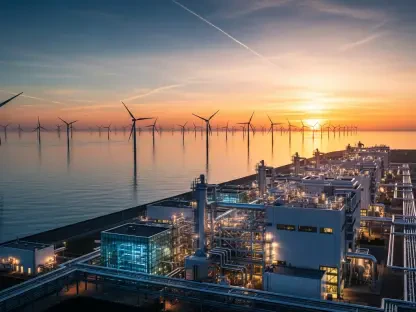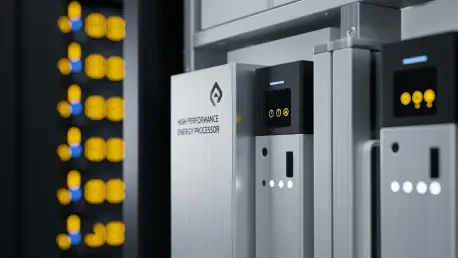

Data centers have evolved into the invisible backbone of the global economy, yet their voracious appetite for electricity and reliance on aging backup technologies present a growing risk to the very digital stability they provide. As artificial intelligence and cloud computing continue to expand across Europe, the infrastructure supporting these services faces a critical inflection point. In Switzerland, a nation defined by its rigorous engineering standards and limited land availability, the search for a more sustainable and safer energy storage medium has led to a groundbreaking shift. High-density facilities are moving away from traditional lead-acid and lithium-ion systems, which often carry risks of thermal runaway, in favor of abundant, salt-based alternatives.
The rapid expansion of Swiss data centers is no longer just a matter of adding server racks; it is a complex negotiation with the national power grid and environmental mandates. Tier IV-certified operators, such as NTS Colocation AG, are currently redefining what reliability looks like by integrating decentralized storage that does not just sit idle. These facilities are transitioning toward a model where they act as active participants in the energy ecosystem. By working closely with Swissgrid, operators are exploring how to use their massive battery reserves to balance the grid, effectively turning potential liabilities into strategic assets for national energy security.
Navigating the local regulatory landscape requires a delicate balance between high-performance computing and the pursuit of carbon neutrality. While diesel generators have long been the industry standard for emergency backup, the noise pollution and carbon emissions associated with them are increasingly at odds with Swiss environmental goals. Consequently, the industry is witnessing a technological migration. The shift toward iron-sodium chemistry represents a significant step in this evolution, offering a way to maintain uptime without the volatility of rare-earth supply chains or the safety concerns of flammable battery chemistries.
Drivers of Innovation and Market Trajectory
Emerging Trends in Long-Duration Energy Storage and AI Demand
The surge in AI-driven workloads has fundamentally altered the power density requirements of modern data halls, necessitating systems that can handle both short bursts of high demand and long-duration outages. Long-Duration Energy Storage (LDES) is becoming a necessity as operators look to bridge the gap between intermittent renewable supply and the 24-hour uptime demanded by global clients. As power densities rise, the industry is prioritizing non-flammable chemistries that allow for denser hardware configurations without the excessive cooling and fire-suppression overhead required by lithium-based systems.
There is a noticeable movement among enterprise consumers who favor green-certified hosting and colocation services that move beyond mere carbon offsets. This behavior is forcing a transition from traditional diesel backup to clean battery alternatives that align with corporate Environmental, Social, and Governance (ESG) targets. The demand for “clean” backup is not just an ethical choice but a commercial one, as major cloud providers and financial institutions require their data partners to demonstrate tangible reductions in local air pollution and carbon intensity.
Market Projections for Iron-Sodium Integration Through 2028
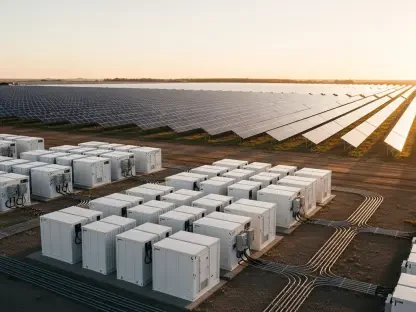
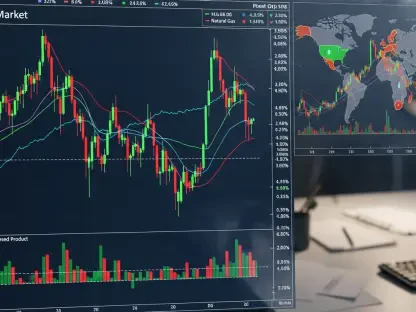
Economic forecasts for the period between 2026 and 2028 suggest a significant uptick in the adoption of iron-sodium technology, led by the strategic partnership between Inlyte Energy and NTS Colocation AG. The current roadmap targets a total deployment of 2 megawatts of storage capacity within the next two years. Early performance indicators from the 600 kWh pilot project in Bern have already provided a proof-of-concept, demonstrating that salt-based batteries can meet the rigorous discharge profiles required for mission-critical infrastructure while offering a lower total cost of ownership compared to lithium alternatives.
The economic advantages of iron-sodium systems stem from the use of inexpensive, abundant raw materials like iron and common salt. Unlike the volatile pricing seen in the cobalt and lithium markets, the supply chain for iron-sodium is remarkably stable. Data-driven projections indicate that as Swiss energy demand grows, these battery systems will play a pivotal role in load leveling. By charging during periods of low demand and discharging when the grid is stressed, data centers can significantly reduce their operational expenses while providing a stabilizing influence on the broader regional energy market.
Overcoming Technical and Infrastructure Constraints
The physical limitations of installing high-capacity storage in urban Swiss environments, such as basement facilities or densely packed industrial zones, have historically been a major hurdle. Lithium-ion batteries often face strict permitting challenges due to the risk of fire and the difficulty of extinguishing a thermal runaway event in confined spaces. Iron-sodium batteries bypass these issues entirely because they are inherently non-flammable. This allows for more flexible installation strategies, enabling operators to place large-scale energy storage in locations where traditional batteries would be prohibited by local building codes.
Engineering solutions are currently being refined to integrate these new chemistries with existing Swiss grid control architectures. Because the response times and discharge characteristics of iron-sodium differ from lead-acid, sophisticated management software is required to bridge the gap. These systems ensure that the transition from grid power to battery backup is seamless, maintaining the “five nines” of availability that clients expect. Furthermore, utilizing iron and salt helps mitigate the geopolitical risks of material shortages, ensuring that the rollout of digital infrastructure is not delayed by global supply chain disruptions.
The Changing Regulatory Landscape and Sustainability Mandates
Compliance with the EU Energy Efficiency Directive (EED 2024/1791) has introduced a new level of transparency for data center operators across the continent, including Switzerland. These mandates require detailed reporting on energy usage and a clear plan for reducing reliance on fossil fuels. Local Swiss regulations have also become more stringent regarding the testing and operation of diesel engines, focusing on reducing nitrogen oxide emissions and noise. This regulatory pressure is acting as a catalyst for the “diversified energy architecture” now being adopted by forward-thinking colocation providers.
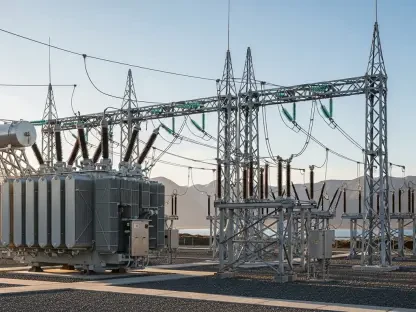
Beyond mere compliance, the integration of Battery Energy Storage Systems (BESS) allows facilities to participate in national control energy pools. This means that a data center can provide frequency regulation services to Swissgrid, helping to stabilize the national network in exchange for financial incentives. This shift represents a fundamental change in the business model of digital infrastructure. Instead of being passive energy consumers, data centers are becoming active, flexible nodes that support the transition to a renewable-heavy power grid.
The Future of Resilient Power in Global Data Infrastructure
Innovations in iron-sodium chemistry are aligning battery life cycles with the long-term asset longevity of data center buildings. While lithium systems often require replacement every few years, iron-sodium cells are designed to last for decades, matching the operational lifespan of the cooling and power distribution systems they support. This creates a “3-in-1” utility where a single installation provides traditional UPS functions, daily load leveling for cost management, and extended backup capabilities that can sustain a facility for a full day without grid intervention.
Scaling this technology from Swiss pilots to global utility-scale markets appears increasingly viable as the digital economy seeks to decarbonize. The non-toxic nature of the materials makes decommissioning and recycling much simpler and safer than for traditional chemical batteries. As global enterprises look to minimize their environmental footprint, the adoption of long-duration, salt-based storage is expected to become a global standard for industrial power security. This transition is essential for ensuring that the expansion of the digital world does not come at the expense of the physical environment.
Strategic Outlook for Sustainable Swiss Digital Infrastructure
The synergy between Inlyte’s specialized technology and the operational excellence of NTS Colocation AG has established a new benchmark for the industry. This collaboration demonstrated that the transition from being an energy-consuming entity to a proactive grid-balancing asset was not only technically possible but also economically beneficial. Operators who move toward non-lithium alternatives found themselves better positioned to handle both regulatory shifts and the physical constraints of urban data center development.
Investors and operators took note of the viability of iron-sodium systems as a primary tool for achieving long-term energy security. The move toward this standard required a rethinking of procurement strategies, prioritizing material stability and fire safety over the energy density of lithium. Ultimately, the successful deployment of these systems in Switzerland provided a roadmap for global digital infrastructure, proving that a decarbonized and resilient digital economy was attainable through the adoption of safer, more abundant chemical storage solutions.