A detailed analysis of American utility costs has uncovered a startling financial challenge on the horizon for millions of households, with projections indicating that electricity bills could surge by as much as 60% by 2030. This potential spike is especially pronounced for residents in the 13 states and Washington, D.C., served by the grid supplier PJM, but it reflects a broader national trend where energy costs are already outstripping inflation. This situation presents a complex problem driven by systemic grid issues, but it also opens a clear pathway for consumers to take control of their energy future through proactive adoption of modern, efficient technologies.
Understanding the Drivers of a Looming Crisis
The Core Imbalance of Supply and Demand
The primary catalyst for this alarming financial forecast, particularly within the Mid-Atlantic region managed by the PJM grid, is a fundamental and worsening imbalance between electricity supply and demand. According to in-depth analysis from policy experts, a confluence of factors is creating a perfect storm for consumers. On one side, the demand for power is skyrocketing, driven in large part by the massive expansion of energy-intensive data centers needed to support our increasingly digital world. This surge creates an unprecedented strain on the existing infrastructure. On the other side of the equation, the development of new, reliable energy projects has failed to keep pace, resulting in a pronounced scarcity of available power, especially during peak usage hours when the grid is most stressed. This supply deficit is exacerbated by external market forces, such as the inherent volatility in natural gas pricing, which directly influences the wholesale cost of electricity generation and subsequently trickles down to consumer bills. The current method of pricing and purchasing future electricity use amplifies these issues, effectively locking in higher costs for years to come.
A Nationwide Energy Sector Transformation
While the projected 60% increase is specific to the PJM Interconnection territory, the underlying issues reflect a broader, nationwide challenge as the energy sector undergoes a significant transformation. Across the country, the retirement of older power plants, combined with the slow deployment of their replacements, is creating reliability concerns and upward pressure on prices. Policymakers are acutely aware that these are not isolated incidents but rather symptoms of a larger shift away from traditional energy sources. This transition period is marked by growing pains, including the challenge of integrating intermittent renewable sources while ensuring the grid remains stable. The fluctuations in energy costs are a direct consequence of this evolving landscape, where the infrastructure and market mechanisms are struggling to adapt to new technologies and consumption patterns. The situation highlights a critical juncture, pushing both regulators and consumers to reconsider how energy is generated, distributed, and consumed to build a more resilient and affordable system for the future.
Empowering Consumers with Proactive Solutions
Harnessing Solar for Financial Insulation
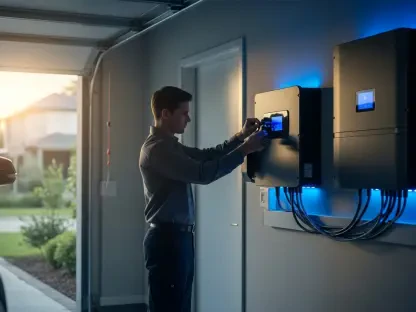
In response to this concerning forecast, adopting clean energy stands out as a crucial and effective solution, with residential solar power emerging as the most direct way for homeowners to insulate themselves from unpredictable market volatility. By installing a personal solar array, consumers can generate their own electricity, significantly reducing their dependence on the grid and the fluctuating costs of wholesale power. This move transforms a household from a passive energy consumer into a proactive producer, offering a level of budget predictability that traditional utility services cannot match. The economic case is further strengthened by various accessible pathways to adoption. For instance, leasing options such as subscription models with a fixed monthly fee can provide immediate savings of up to 20% on utility rates with no upfront investment. Alternatively, resources that provide curated quotes and installer recommendations help lower the initial purchase cost, making ownership a more attainable goal. Paired with a battery backup system, solar not only cuts costs but also provides enhanced energy independence and reliable protection from blackouts.
The Broader Impact of Home Efficiency
Beyond generating clean power, a holistic approach that includes upgrading home energy efficiency offers another powerful lever for consumers to pull in an effort to lower consumption and bills. Transitioning to high-efficiency HVAC systems, particularly modern heat pumps, can dramatically reduce a home’s overall energy footprint, leading to substantial savings throughout the year. These systems are far more effective at heating and cooling than their traditional counterparts, directly addressing one of the largest components of residential energy use. This shift toward efficiency and renewables carries significant co-benefits that extend beyond the individual household. By reducing reliance on pollution-producing electricity sources, these actions contribute to improved local air quality and public health. Furthermore, a distributed network of homes generating their own power and using it more efficiently enhances the stability and reliability of the entire grid. This collective action empowers consumers to not only negate the financial risk of rate hikes but also to become active participants in building a cleaner, more sustainable energy infrastructure.
Navigating the Path to a Resilient Energy Future
The analysis of impending utility rate hikes presented a clear and significant financial challenge facing millions of Americans. It was demonstrated that this issue stemmed from a deep-seated imbalance in the energy market, where surging demand consistently outpaced the development of new, reliable power sources. However, the exploration of solutions revealed that this challenge did not have to result in an inescapable financial burden. Consumers were shown to possess powerful tools to counteract these rising costs. The strategic adoption of residential solar power, made accessible through innovative financing and purchasing models, was identified as a primary method for achieving energy independence and cost stability. Furthermore, the importance of a comprehensive strategy that included upgrading home efficiency with technologies like heat pumps was underscored. By taking these proactive steps, homeowners effectively secured their financial futures against market volatility while contributing to a more resilient and environmentally sound energy grid.