
A Resilience Test Like No Other: The 2026 Winter Crisis
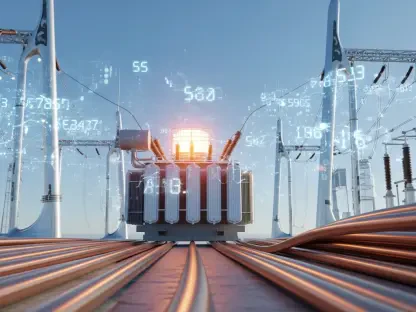
The survival of New England’s power grid during the 2026 freeze was not merely a matter of luck but the result of a high-stakes, multi-layered defense strategy that redefined regional energy resilience. During the late January and early February periods, a relentless 19-day arctic outbreak tested every facet of the ISO New England system. Temperatures plummeted to levels unseen in two decades, averaging 3.4°F below normal and forcing a critical examination of how a modern economy maintains stability when the primary heating and power source is simultaneously under siege. This event proved that while the region has made strides in modernization, its reliance on a delicate balance of fuel types remains a primary point of concern for market stability.
Throughout this period, electricity consumption reached 7,669 gigawatt-hours, with peak demand surging past 20,000 megawatts. This article analyzes how the system avoided a total collapse through a combination of fossil fuel pivots, regulatory emergency measures, and tactical forecasting. The crisis served as a live-action stress test for the energy transition, revealing the narrow margins that separate a functional grid from widespread rolling blackouts. By understanding these dynamics, stakeholders can better prepare for the volatile energy landscape that defines the current era.
The Long Shadow of Energy Vulnerability: Historical Context
New England’s power landscape is defined by a historical “energy hole” that emerged as the region retired coal and nuclear plants in favor of natural gas. This transition created a structural dependency on a pipeline network that is frequently overwhelmed during the winter months. Because the existing infrastructure prioritizes residential and commercial heating, electricity generators often find themselves at the bottom of the priority list when temperatures drop. This vulnerability is not new; previous winters showed that the region could only maintain reliability by burning expensive liquefied natural gas and fuel oil when pipeline capacity reached its limit.
The historical shift toward gas was driven by environmental goals and lower costs, yet it ignored the logistical realities of extreme weather. As the region moved toward the current year, the lack of substantial gas storage within New England meant that any disruption in supply could lead to immediate price spikes and reliability risks. The 2026 crisis magnified these pre-existing flaws, showing that the transition to a cleaner grid must still account for the physical constraints of fuel delivery during prolonged atmospheric events.
Navigating the Fuel Constraint and Infrastructure Bottlenecks
The Pivot to Fuel Oil: Navigating Pipeline Constraints
The most immediate challenge during the freeze was the diversion of natural gas away from power plants to meet heating demands. This forced electricity generators to switch to fuel oil as their primary energy source. However, this transition was severely hampered by the arrival of Winter Storm Fern, which paralyzed the Northeast’s logistics network. The storm created a “double bind” where generators required oil because gas was unavailable, yet the trucks and barges needed to transport that oil were immobilized by snow-clogged roads and frozen waterways. This bottleneck demonstrated the extreme fragility of a “just-in-time” fuel delivery system.
The Solar Deficit: The Failure of Renewables in Deep Freeze
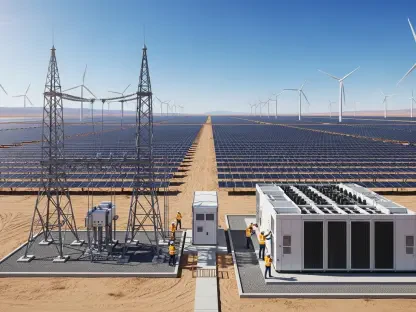
While solar power is often viewed as a reliable winter resource, the 2026 freeze highlighted a significant technological hurdle. Persistent sub-freezing temperatures meant that snow did not melt off solar panels for weeks, causing behind-the-meter production to drop to only 41% of its anticipated output. This “solar drought” occurred precisely when demand hit its highest peaks. Furthermore, because neighboring regions were experiencing identical weather patterns, New England could not import the shortfall from external markets, forcing the ISO to rely almost exclusively on local, high-emission thermal resources to bridge the gap.
Regulatory Intervention: The Section 202(c) Emergency Order
At the height of the crisis, the stability of the grid was maintained not by a surge in supply, but by a rare regulatory intervention. ISO New England successfully petitioned the U.S. Department of Energy for a Section 202(c) emergency order. This allowed 57 generating units—nearly 40% of the winter capacity—to bypass environmental and emission limits to keep the lights on. Without this legal flexibility, these plants would have been forced to shut down due to permit violations, likely resulting in catastrophic outages. This move sparked an intense debate over the trade-offs between climate goals and the immediate necessity of public safety.
The Evolution of Grid Management: Future Innovations and Trends
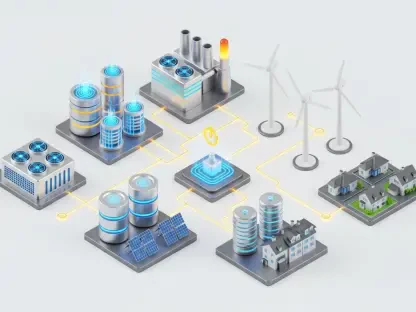
The lessons from this winter are already accelerating several key trends in energy infrastructure and market design. There is a growing consensus that the region must move toward long-duration energy storage, such as advanced battery systems and pumped hydro, to mitigate the inherent volatility of solar and wind during extreme weather. From 2026 to 2030, capital investments are expected to shift toward “dual-fuel” capabilities and the winterization of existing delivery systems. Furthermore, there is an increasing push for a “macro-grid” approach, which would involve high-capacity transmission lines connecting New England to the Midwest and Canada to ensure a more diversified supply during localized weather emergencies.
Key Takeaways for Industry Stakeholders and Consumers
The economic fallout of the freeze was substantial, with wholesale energy market costs reaching $6 billion, the highest level seen since 2003. For industrial consumers and businesses, this underscores the critical importance of participating in demand-response programs, which remain the most effective tool for stabilizing the grid during peak events. Policymakers are also facing pressure to reconsider the role of reliable baseload power to prevent the extreme price volatility that characterized this winter. For the general public, the primary takeaway is that the cost of a “fail-safe” system in an era of climate extremes will likely lead to higher and more unpredictable utility rates.
Securing the Future Against the Next Arctic Outbreak
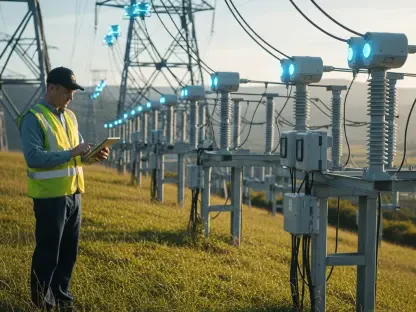
The regional power grid survived the 2026 freeze because of a calculated reliance on backup fuel oil and emergency regulatory flexibility. While the transmission system remained stable, the event exposed deep vulnerabilities in fuel logistics and the reliability of renewable sources during prolonged cold. The crisis proved that resilience required a robust, diversified strategy that went beyond technological optimism. Decision-makers recognized that balancing environmental objectives with the uncompromising need for a reliable power supply was the only way to safeguard the region against future atmospheric threats. Progress in energy security was achieved, but it came at a historic financial and regulatory cost.