
The traditional American electrical grid resembles a massive, aging machine straining under the weight of an era it was never designed to power, where every new data center or electric vehicle adds a layer of complexity that physical wires alone can no longer resolve. This aging infrastructure represents one of the most significant hurdles to economic growth and climate goals in the current decade. For nearly a century, the primary response to rising energy needs was simply to build more—more power plants, more transmission towers, and more miles of copper wire. However, this build-first mentality has collided with the harsh realities of modern permitting delays and astronomical construction costs.
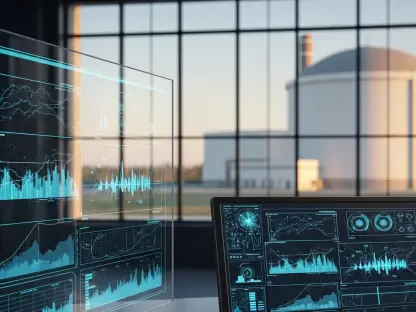
Today, a new philosophy is emerging that prioritizes digital intelligence over physical expansion. This movement, championed by the Utilize coalition—a group including Google, Tesla, Carrier, and Span—advocates for software orchestration as the fastest route to grid resilience. The pressure on the existing system has reached a critical boiling point due to the simultaneous explosion of artificial intelligence data centers, domestic chip manufacturing, and the rapid electrification of transportation. These high-intensity loads require a level of responsiveness that traditional infrastructure lacks. Rather than waiting a decade for new lines to be energized, the industry is looking toward software-driven optimization to squeeze every possible megawatt out of the existing hardware.
Strategic Trends and Economic Forecasts for Grid Modernization
Emerging Technological Pillars: VPPs, DERs, and Grid-Enhancing Technologies
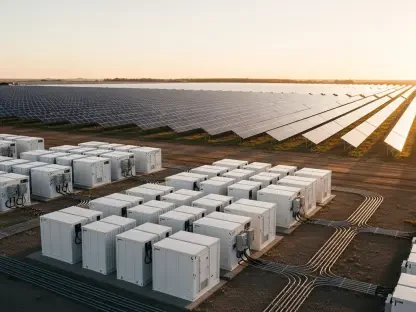
Emerging technological pillars like Virtual Power Plants (VPPs) are redefining what it means to generate and manage power. By aggregating thousands of distributed energy resources (DERs), such as home batteries and smart thermostats, software platforms can now mimic the behavior of a traditional natural gas peaker plant. When demand spikes, these decentralized assets are signaled to reduce consumption or discharge stored energy back into the system, effectively balancing the load without firing up a single new turbine. This approach turns residential neighborhoods into active grid participants, providing a flexible buffer that can be deployed in milliseconds.
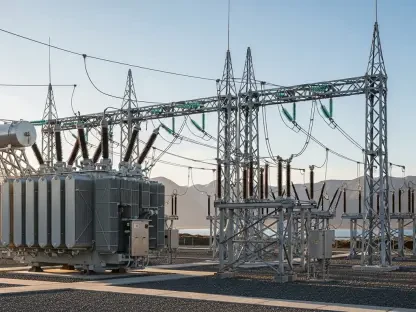
Beyond the consumer level, Grid-Enhancing Technologies (GETs) are providing immediate relief to transmission bottlenecks. Solutions such as dynamic line ratings and power flow controllers allow operators to adjust the capacity of existing wires based on real-time weather conditions or congestion patterns. While traditional planning assumes a static, conservative limit for every wire, GETs reveal that the system can often safely handle much more electricity than previously thought. This efficiency gain is vital for addressing the utilization gaps that plague many parts of the current network, where physical assets remain under-used for the majority of the year.
Market Projections and the Economic Value of Grid Efficiency
Analyzing the cost-benefit of software-first solutions reveals a compelling economic case when compared to multi-decade transmission projects. Modernization through intelligence offers the potential to unlock 10 to 20 percent more efficiency from existing assets, which translates to billions of dollars in avoided capital expenditure. By maximizing the utility of the current footprint, energy providers can meet surging demand at a fraction of the cost of new construction. This efficiency is no longer optional; it is a financial necessity for maintaining stable rates for consumers while funding the transition to a cleaner energy mix.
Current performance indicators highlight a system in desperate need of these optimizations. Recent data suggests an average utilization rate of only 18 percent for some distribution assets, alongside a 2,000 GW interconnection queue that holds up essential projects. Bridging this gap requires a move away from the rigid planning cycles of the past. Economic forecasts suggest that those regions adopting agile energy software will gain a significant competitive advantage by attracting high-tech industries that prioritize both reliability and low-carbon energy profiles.
Overcoming Structural Bottlenecks and Integration Obstacles
The most significant obstacle to a modern energy future remains the staggering interconnection queue, which currently holds more than 2,000 gigawatts of wind, solar, and storage projects. These projects are effectively stranded, waiting for expensive studies and infrastructure upgrades that can take years to complete. Meanwhile, renewable energy curtailment has become a frequent occurrence, where perfectly good solar or wind power is discarded because the grid cannot transport it during peak production hours. Software-first solutions aim to bypass these structural delays by using intelligent routing and localized balancing to utilize energy where it is generated.
Navigating the technical friction between tech providers and traditional utility business models presents another layer of complexity. Utilities have historically been incentivized to build physical infrastructure, as their returns are often tied to capital investments. Shifting this model to favor software-driven efficiency requires a fundamental change in how performance is measured and rewarded. Strategies for scaling pilot programs into bankable, large-scale utility operations must focus on standardized data sharing and transparent communication between decentralized devices and central control rooms to ensure that reliability is never compromised.
The Regulatory Framework and Market Integration Standards
Regulatory progress is finally catching up to technological capability, largely driven by FERC Order 2222. This landmark ruling allows aggregated distributed energy resources to compete in wholesale markets on equal footing with large utility plants. It provides a clear path for home battery owners and smart building operators to be compensated for the services they provide to the grid. Moreover, the industry is moving toward performance-based incentives that reward utilities for achieving efficiency targets rather than just spending capital on physical assets.
Time-of-use pricing models are also becoming standard, encouraging consumers to shift their energy usage to times when renewable generation is most abundant. Ensuring grid security and reliability through standardized software protocols is paramount as the system becomes more interconnected. Policy drivers are increasingly encouraging utilities to prioritize efficiency over physical expansion, recognizing that a smarter grid is a more secure grid. These standards provide the necessary framework for diverse technology providers to integrate their solutions into the national power network without creating vulnerabilities.
The Future of Energy: Orchestrating a Responsive Power Network
The evolution of the power network lies in the orchestration of a fluid grid where every device, from a refrigerator to a multi-megawatt data center, plays a role in stability. Data centers are no longer viewed as just massive energy consumers; they are evolving into active grid stabilizers that can throttle non-essential workloads during peak stress events. This transformation allows large-scale facilities to act as giant shock absorbers for the grid, absorbing excess renewable energy when it is abundant and stepping back when the system is under strain.
Innovation in behind-the-meter hardware, such as smart circuit panels and bi-directional electric vehicle chargers, allows for granular management of home energy. This ensures that critical systems remain online even when the broader grid is strained, while also providing a new revenue stream for homeowners who sell their stored power back to the market. Looking ahead, global competitiveness will be defined by the rapid deployment of these agile energy softwares, allowing nations to support the massive power requirements of the digital economy without compromising on reliability or sustainability.
Final Perspective on Software-Driven Infrastructure Resilience
The findings indicated that the path to a resilient energy future depended more on digital orchestration than on the traditional deployment of raw materials. Stakeholders recognized that the combination of the Utilize coalition’s technologies and supportive regulatory shifts offered a faster, more cost-effective alternative to multi-decade transmission projects. This transition prioritized the intelligent use of existing assets, which effectively mitigated the risk of national energy bottlenecks.
Actionable steps were identified for regulators to further incentivize software adoption, including the expansion of performance-based rate-making and the acceleration of data transparency standards. These measures ensured that intelligence, not just copper, became the foundation of energy security. By focusing on asset optimization, the industry successfully lowered ratepayer costs and stayed on track toward ambitious carbon goals, demonstrating that a responsive, software-driven network was the most viable solution for a modern economy.