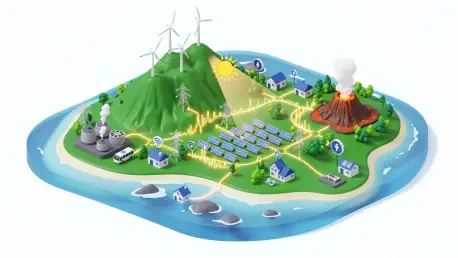

The geographical isolation of the Hawaiian archipelago has long served as a double-edged sword, offering unparalleled natural beauty while imposing a precarious dependence on the most expensive fossil fuel supply chain in the United States. For decades, the state has functioned as a series of energy islands, literally and figuratively, disconnected from the stabilizing influence of a continental power grid or a network of natural gas pipelines. This isolation has historically left residents vulnerable to the whims of global petroleum markets, with energy prices fluctuating wildly based on geopolitical tensions thousands of miles away. However, as the global shift toward decarbonization accelerates, Hawaii is finding that its greatest vulnerability—its separation from the mainland—is becoming its greatest asset for innovation. By necessity, the islands are transforming into a living laboratory for the world, proving that a self-sufficient, 100% renewable grid is not just an aspirational goal but a mathematical certainty.
Bridging the Gap: The Current State of Hawaii’s Energy Landscape
Operating as an island chain without a safety net forces a unique perspective on energy security that continental states rarely have to consider. In the current landscape, every gallon of oil used to power a home on Oʻahu or a vehicle on Maui must be transported across vast stretches of ocean. This creates a high-stakes environment where any disruption in international shipping or a spike in crude oil prices has an immediate and painful impact on the local economy. The reliance on imported oil is more than an environmental concern; it is a systemic economic drain that siphons billions of dollars out of the local community every year. Moving toward a domestic energy model is therefore a strategy for financial preservation as much as it is an ecological mandate.
The complexity of this transition is amplified by the fragmented nature of the local infrastructure. Because there are no underwater cables connecting the islands, each island must maintain its own independent power system. Oʻahu, which supports the majority of the population and significant military installations, faces vastly different pressures than the more rural neighbor islands. Furthermore, the energy profile is complicated by the presence of international transit hubs. Distinguishing between the energy required for local civilian life and the massive requirements of trans-Pacific aviation and maritime shipping is essential. By narrowing the focus to the domestic civilian grid, the state can identify reachable milestones that do not depend on the slower-moving decarbonization of global heavy industry.
Mapping the Transition: Technological Drivers and Market Projections
The Electrification Revolution and Efficiency Gains
The most profound shift in the energy outlook comes from the realization that modern technology allows for a massive collapse in total energy demand without sacrificing quality of life. Traditional combustion engines and fossil-fuel power plants are notoriously inefficient, losing the majority of their energy as wasted heat, often referred to as rejected energy. As the islands transition toward electric motors, this waste is eliminated. An electric vehicle, for instance, converts a much higher percentage of its energy into motion compared to its internal combustion counterpart. This transition fundamentally changes the math of the energy transition, as the total amount of primary energy needed to power the islands drops precipitously when electrification becomes the standard.
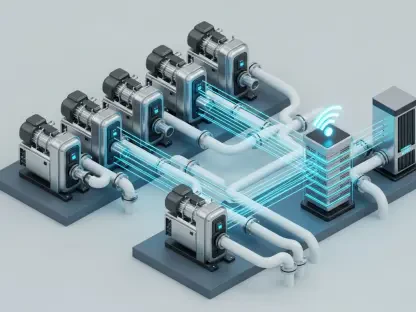
Moreover, the adoption of high-efficiency technology like heat pumps is reshaping how residents manage domestic energy. By moving heat rather than generating it through resistance or combustion, these systems provide a critical service with a fraction of the electricity previously required. This shift is accompanied by a transition in how the grid itself is managed. The industry is moving away from the mechanical inertia of massive spinning turbines and toward digital grid management. Grid-forming inverters are now capable of maintaining stability and frequency, allowing for a much higher penetration of variable renewable sources. This modernization ensures that the grid remains resilient even as it moves away from the traditional baseload power plants of the twentieth century.
Solar Dominance and the Economic Forecast
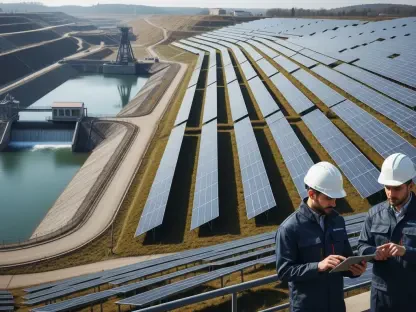
Hawaii’s most abundant natural resource is the sun, and the economics of capturing it have reached a tipping point that makes fossil fuels look increasingly obsolete. Over the recent period, the cost of utility-scale solar has dropped so significantly that it is now the most cost-effective form of new generation available. This trend is expected to continue as technological improvements increase the efficiency of panels. Beyond traditional solar farms, the state is looking toward agrivoltaics—pairing solar arrays with active agriculture—to maximize land use. Vertical solar panels and specialized arrays are also being deployed to capture sunlight in varied terrains, ensuring that the geography of the islands does not limit generation potential.
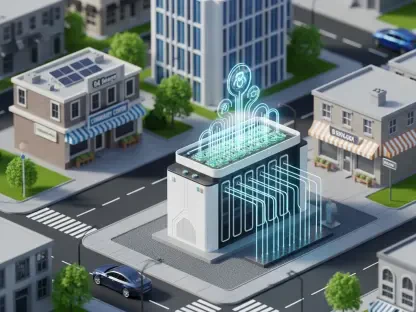
One of the most significant untapped opportunities lies in urban infrastructure, specifically parking lot canopies. The vast acreage dedicated to parking on Oʻahu offers a massive surface area for solar integration without requiring the development of pristine natural or agricultural land. Data suggests that covering even a portion of these spaces could generate a substantial percentage of the island’s total electricity needs. As these localized assets are developed, the state moves closer to a 100% renewable domestic grid by 2045. The shift from a fuel-based model to an asset-based model means that once the infrastructure is built, the marginal cost of energy becomes nearly zero, providing a level of long-term price stability that was impossible under the petroleum-dependent regime.
Navigating the Storm: Technical and Geographical Obstacles
The path to a green future is not without its physical and social friction, particularly concerning land use and social equity. While the technical feasibility of solar is clear, finding the space for large-scale arrays often leads to conflicts with agricultural preservation and community interests. Ensuring that clean energy projects have community legitimacy is vital for long-term success. This requires a transparent planning process that prioritizes the needs of local residents and ensures that the economic benefits of renewable energy—such as lower utility bills—are accessible to everyone, including those in low-income areas and multi-family dwellings who cannot install their own rooftop panels.
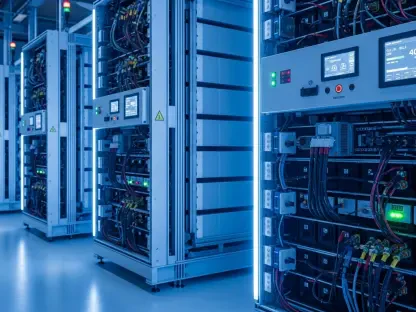
Intermittency remains a technical challenge that requires a sophisticated mix of firm capacity and storage. To address the gap when the sun is not shining, the state is investing heavily in battery storage and exploring strategic reserves of biomethane. While batteries handle the daily cycles of demand, firm capacity is needed for extended periods of poor weather. Additionally, certain sectors like long-haul aviation and international maritime shipping are harder to abate because they cannot easily be electrified. These sectors require liquid fuels, necessitating a different strategy that might include sustainable aviation fuels or hydrogen derivatives. Managing these “hard-to-hide” energy needs while cleaning the domestic grid is a delicate balancing act for policymakers.
The Regulatory Framework: Policies Shaping the Green Shift
Transitioning to a local asset investment model requires a total overhaul of the regulatory landscape that once favored imported fuel. Legislative efforts are currently focused on decoupling utility profits from the amount of fuel burned, instead incentivizing the integration of renewable resources. By standardizing the interconnection process, the state aims to reduce the time and cost associated with adding new solar and wind projects to the existing grid. This regulatory streamlining is essential for maintaining the momentum of the transition and ensuring that private investment continues to flow into the state’s green infrastructure.
State mandates have set clear benchmarks for 2030 and 2040, serving as a roadmap for both utilities and private developers. These goals are not merely environmental targets; they are security standards designed to protect the islands from the volatility of global supply chains and the increasing frequency of extreme weather events. Resilience is being built into the grid through new protocols that allow for microgrids and decentralized power sources. This ensures that even if one part of the system is damaged, other areas can continue to function independently. This focus on security and resilience is transforming the grid into a modern, flexible network capable of withstanding the challenges of a changing climate.
The Horizon: Emerging Disruptors and Future Growth
The future of Hawaii’s energy system will likely be defined by the integration of distributed assets, specifically through Vehicle-to-Grid (V2G) technology. As the number of electric vehicles on the road grows, their batteries represent a massive, untapped storage resource for the entire island. By allowing these vehicles to feed energy back into the grid during peak demand, the state can reduce the need for expensive stationary battery installations. This turns every EV owner into a participant in the energy market, creating a more democratic and resilient power system. Moreover, the synergy between different renewable sources like geothermal on Hawaii Island and wind on Maui provides a diversified portfolio that mitigates the risks associated with any single technology.
The narrative of liquefied natural gas (LNG) as a necessary “bridge fuel” has largely faded as the speed of renewable deployment has outpaced expectations. With the current trajectory, the domestic electricity system can bypass the need for new gas infrastructure entirely, avoiding the risk of stranded assets. Instead, the focus is shifting toward circular energy economies. By utilizing wastewater and food waste to produce biomethane, the islands can create a self-sustaining loop of firm renewable power. This approach not only provides a backup for the solar-heavy grid but also addresses waste management challenges, turning a liability into a localized energy asset that supports the broader goal of self-sufficiency.
A Roadmap for Resilience: Key Findings and Strategic Recommendations
The transition of the Hawaiian energy system demonstrated that the collapse of primary energy demand through electrification was the most effective way to make a renewable grid viable. By focusing on the high efficiency of electric motors and heat pumps, the state significantly reduced the amount of total generation required to sustain its civilian economy. This strategy proved that the physical constraints of an island could be overcome by prioritizing technology that minimizes energy waste. The shift from an imported fuel model to a local infrastructure model successfully kept billions of dollars within the local economy, providing a stabilizing effect on the state’s financial health during periods of global market volatility.
Looking forward, the successful completion of this energy evolution required a commitment to institutional flexibility and a relentless focus on social equity. The state’s journey provided a global blueprint for other isolated or remote energy systems, showing that the technical hurdles of intermittency and storage were manageable through a combination of diverse renewable sources and smart grid management. To finalize this transition, stakeholders prioritized the needs of the entire community, ensuring that the benefits of low-cost, clean energy were shared by all residents. The move toward a self-sustaining energy loop finally broke the long-standing cycle of petroleum dependence, securing a resilient and prosperous future for the islands.