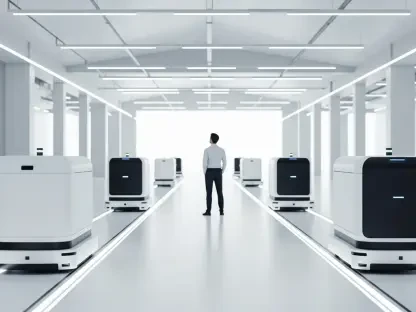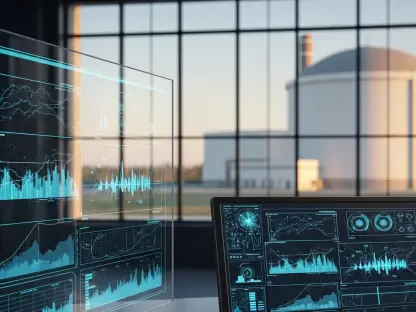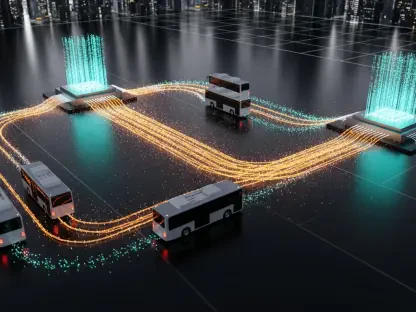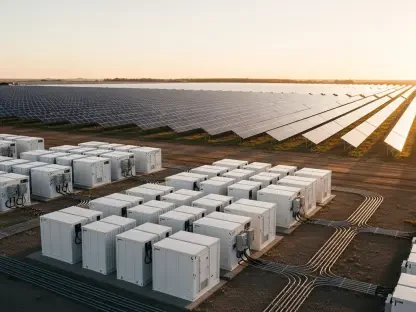

The invisible pulse of a modern electrical network operates with such high-speed precision that a delay of only a few seconds in power delivery can trigger a total systemic collapse. In the current energy landscape, the margin for error has narrowed significantly as the traditional infrastructure struggles to keep pace with the rapid fluctuations of a renewable-heavy portfolio. While many observers focus on total energy volume, the real battle for stability is fought in the realm of frequency. When a large generator trips or a transmission line fails, the resulting drop in frequency acts like a sudden brake on a moving vehicle; if not corrected instantly, the entire machine grinds to a halt.
This vulnerability highlights a fundamental disconnect between legacy mechanical systems and the digital-speed volatility of contemporary demand. For decades, the industry relied on the “energy shortage” myth, assuming that simply having enough fuel in reserve would prevent blackouts. However, recent data suggests that frequency decay, rather than a lack of raw fuel, is the primary catalyst for modern grid failures. In this environment, a ten-minute response time from a backup plant is no longer a safety net; it is an eternity that allows a localized glitch to cascade into a widespread regional blackout.
The Evolution from Mechanical Backup to Electronic Stability
The traditional “Single-Tool Strategy” is reaching its physical and economic limits as the grid becomes more complex. Relying exclusively on natural gas peaker plants to manage every hiccup in the system has become a significant liability for operators. These massive mechanical assets were designed for endurance rather than agility. When forced to react to the “twitchy” behavior of wind and solar inputs, they often fail to synchronize fast enough to prevent the initial stages of a frequency collapse, creating a gap in protection that puts millions of customers at risk.
Consequently, the industry is shifting toward a hybridized digital-mechanical framework that prioritizes localized resilience. This new model moves away from the old “Mechanical Reliability Model,” where big iron rotors were the only defense against instability. Instead, engineers are deploying “load pocket” solutions—concentrated clusters of storage and smart tech—to manage congestion in urban centers. By placing high-speed response assets closer to where the power is actually consumed, the grid can absorb shocks locally before they stress the broader interstate transmission network.
The Physics of Power: Why Batteries Outperform Gas for Grid Health
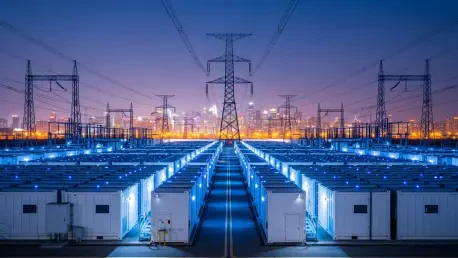
The physical superiority of power electronics over mechanical turbines is most evident during sub-second interventions. While an aero-derivative gas turbine is considered “fast” because it can ramp up in several minutes, a battery energy storage system responds in milliseconds. This difference creates a “Sprinter vs. Marathoner” dynamic. Batteries act as the initial line of defense, handling the immediate, high-intensity shocks that occur when a cloud passes over a solar farm. This rapid injection of power buys enough time for traditional long-duration assets to start up safely without being subjected to damaging, sudden loads.
Furthermore, the introduction of grid-forming inverters has revolutionized how we maintain system strength. Historically, the heavy spinning rotors of coal and gas plants provided “inertia,” a natural physical resistance to frequency changes. As these plants retire, the grid loses that inherent stability. Modern battery systems now provide “synthetic inertia,” electronically mimicking the behavior of a spinning mass. This technological leap allows storage to stabilize the voltage in “weak” parts of the grid, effectively replacing the essential services once provided by fossil fuel plants while simultaneously reducing the mechanical degradation of the remaining gas fleet.
Economic Resilience and the Multi-Stream Revenue Stack
“Batteries can switch between charging and discharging in milliseconds, a task that would cause significant mechanical wear to a turbine,” according to recent industry analysis. This operational flexibility is the cornerstone of a sophisticated revenue stack that makes standalone storage more economically resilient than many hybrid solar-plus-storage configurations. Because these assets can be sited directly within congested urban substations, they capture value from high-frequency balancing markets that are too taxing for mechanical plants to enter. This proximity also allows them to provide a higher Effective Load Carrying Capability (ELCC) by bypassing transmission bottlenecks.
Beyond simple balancing, storage optimizes the overall heat rate of the existing thermal fleet. When gas plants are not forced to constantly ramp up and down to manage minor frequency deviations, they operate at a steady, efficient state. This division of labor ensures that expensive fuel is not wasted on “twitchy” work, lowering the total cost of energy for the end consumer. By shifting solar abundance from the middle of the day to the evening peak, storage also flattens the infamous “duck curve,” turning a potential oversupply problem into a valuable resource for the hours when the grid is most stressed.
Strategic Integration: Frameworks for a Modern Reliability Portfolio
A resilient future depends on the implementation of a “Bridge then Backstop” strategy. In this framework, battery storage serves as the bridge, absorbing the immediate volatility of renewable generation and preventing the “short-circuit” of the frequency pulse. The backstop remains the firm, long-duration generation that handles multi-day weather events. By integrating these two distinct roles, grid operators can maintain a firm voltage even in nodes that were previously considered too weak to support heavy industrial loads or large-scale electric vehicle charging hubs.
Future-proofing the infrastructure requires a shift toward siting standalone storage at the most vulnerable points of the network. Rather than building massive, centralized storage farms far from cities, the focus was placed on distributed assets that provide ancillary services without mechanical fuel consumption. This evolution ensured that frequency control became a digital commodity, allowing the physical grid to withstand shocks that would have previously triggered a catastrophic failure. Moving forward, the emphasis shifted toward autonomous grid-forming capabilities, ensuring that the lights stayed on through precision electronics rather than just brute-force mechanical power.