
A Landmark Agreement for Long-Duration Energy Storage
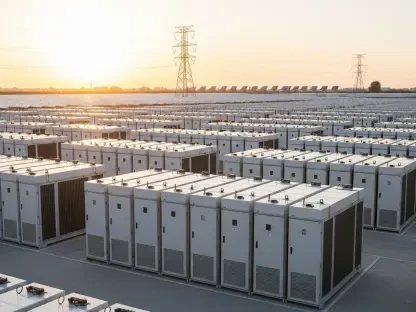
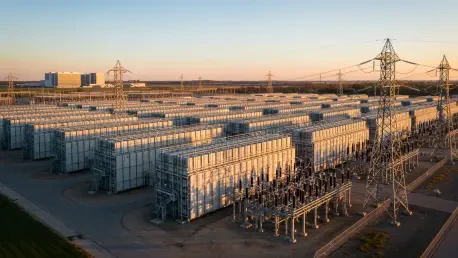
The global energy landscape is currently witnessing a historic shift as Google and Xcel Energy formalize a partnership to deploy a staggering 300 MW / 30 GWh iron-air battery system in Minnesota. This massive project, which represents the largest energy storage capacity of its kind ever conceived, aims to provide a definitive answer to the inherent intermittency of renewable energy. By focusing on the unique requirements of the American Midwest, the collaboration demonstrates how the next generation of power grids can maintain reliability without relying on fossil fuel baseloads.
This initiative is not merely about scaling up existing technology but about redefining the relationship between high-demand industrial consumers and utility providers. As data centers become the primary drivers of electrical demand, the need for 24/7 carbon-free energy has moved from a corporate sustainability goal to an absolute operational necessity. The project provides a blueprint for how massive capital investments from the private sector can accelerate the adoption of unproven yet essential technologies, bridging the gap between experimental pilots and utility-scale reality.
The Evolution of Grid Storage and the Shift from Lithium-Ion
The historical dominance of lithium-ion technology in the storage sector has largely been defined by its ability to provide short-burst responses to grid fluctuations. While these systems excel at shifting power over four-hour windows, they remain economically unviable for covering multi-day deficits. This limitation becomes a critical vulnerability during “dunkelflaute” events, where weather patterns suppress both wind and solar output for several consecutive days. As utilities across the country move to retire aging coal plants, the search for a cost-effective, long-duration alternative has become the primary focus of grid modernization efforts.
Transitioning away from the Sherco coal facility in Minnesota requires a solution that can mimic the steady output of traditional thermal plants. Iron-air technology has emerged as the frontrunner for this role because it addresses the scarcity and cost issues associated with lithium and cobalt. By moving toward a chemistry based on abundant materials, the energy sector is positioning itself to build a resilient infrastructure that can survive harsh winters and extended periods of low renewable generation. This shift marks the end of the short-duration era and the beginning of the era of seasonal and multi-day storage resilience.
Revolutionizing the Grid with Iron-Air Technology
The Mechanics and Advantages: 100-Hour Discharge
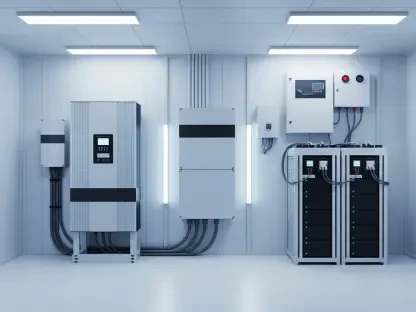
The core of this breakthrough is the iron-air battery module, a technology that utilizes the simple chemical process of reversible rusting to store and release energy. When the system discharges, it breathes in oxygen to convert iron into rust; when it charges, the rust is converted back into metallic iron. This cycle allows for a discharge duration of up to 100 hours, providing a massive buffer that short-duration batteries simply cannot match. Because the primary ingredient is iron, the cost per kilowatt-hour of energy capacity is a fraction of that of conventional batteries, making it the most viable candidate for massive, grid-scale installations.
Decoupling Industrial Growth: Clean Transition Tariff
A significant hurdle in modernizing the grid has been the financial impact on the general public, but this partnership introduces a “Clean Transition Tariff” to solve that problem. Under this regulatory model, Google assumes the full financial responsibility for the 1.6 GW of new wind and solar power and the associated storage infrastructure required for its operations. This ensures that the aggressive expansion of data centers does not lead to higher utility bills for residential customers. It represents a new era of “hyperscaler” accountability, where the tech industry acts as a direct financier for the green energy transition rather than a burden on the existing grid.
Overcoming Manufacturing Hurdles: Costs and Scaling
Despite the technological advantages, the path to full implementation involves navigating complex supply chain and manufacturing challenges. The modules for the Minnesota project are slated for delivery starting in 2028, requiring a massive scale-up of production facilities in West Virginia. Furthermore, the initiative has drawn attention from regulatory bodies and consumer advocates who are closely monitoring the costs associated with grid integration programs like Capacity*Connect. While some critics question the high upfront capital requirements, proponents argue that these early investments are necessary to drive down long-term costs through economies of scale.
The Future of Long-Duration Storage and Utility Models
Looking ahead from 2026 toward the end of the decade, the success of this project will likely catalyze a global surge in long-duration energy storage (LDES) investments. As artificial intelligence continues to drive an exponential increase in power consumption, the “capacity-as-a-service” model will become a standard tool for utilities worldwide. We can expect to see a diversification of storage chemistries, with iron-air serving as the backbone for regional grids while other technologies fill niche roles. This evolution will fundamentally change the utility business model, shifting it from a centralized distribution system to a collaborative ecosystem funded by major industrial users.
Strategies for Integrating Large-Scale Storage Solutions
For energy professionals and policymakers, the primary takeaway is the necessity of adopting specialized tariffs that encourage private investment in public infrastructure. Companies should prioritize the deployment of localized battery units to mitigate grid congestion, a strategy that can defer expensive upgrades to transmission lines. Furthermore, stakeholders must recognize that the transition to a carbon-free grid requires a portfolio approach, combining short-term lithium-ion response with long-term iron-air endurance. Investing in these technologies today is the only way to ensure that the grid of the future remains stable amid increasingly volatile weather patterns.
Conclusion: A Blueprint for a Carbon-Free Future
The collaboration between Google and Xcel Energy established a definitive precedent for the integration of massive storage systems within the modern utility framework. By successfully aligning corporate capital with public infrastructure needs, the project demonstrated that long-duration iron-air technology was capable of replacing the reliability formerly provided by fossil fuels. The initiative moved the industry beyond the limitations of short-term discharge, proving that a 100-hour energy buffer was both technically feasible and economically strategic.
Ultimately, the deployment in Minnesota served as a critical test case that influenced how future data centers were powered across the globe. It highlighted the importance of regulatory innovation, specifically through tariffs that protected the public from the costs of industrial expansion. As the energy sector continued to evolve, the lessons learned from this partnership provided the necessary confidence for other utilities to commit to a fully carbon-free trajectory. This milestone ensured that the path toward a sustainable, resilient grid was no longer a theoretical ambition but a proven operational reality.