
The landscape of American transportation is undergoing a quiet but profound transformation as the number of public electric vehicle charging locations officially surpasses the halfway mark of the country’s traditional gas station count. While the familiar neon signs of petroleum retailers have defined the roadside for a century, the emergence of 77,086 charging sites signals a pivot toward a decentralized energy future. This milestone reflects a broader shift in how the nation fuels its mobility, moving away from a singular reliance on fossil fuels toward a versatile electrical grid.
Historically, the alternative fueling market was a fragmented collection of competing technologies, ranging from compressed natural gas to hydrogen fuel cells. However, recent data confirms that electric charging has effectively consolidated this sector, now claiming approximately 90% of all alternative fueling infrastructure. This dominance has reshaped the competitive environment, forcing traditional petroleum retailers to reconsider their long-term viability in a market where six million electric vehicles are already navigating the interstate system.
The physical footprint of these new networks differs significantly from the centralized model of the past. While traditional gas stations often exist as standalone destinations, charging infrastructure is increasingly integrated into the existing retail fabric. This evolution is particularly critical for the 47% of drivers who lack access to home charging solutions, making the availability of reliable public plugs a cornerstone of the modern commute and a primary driver for infrastructure investment.
Analyzing the Rapid Expansion of the Alternative Fueling Footprint
Dominant Trends Reshaping Modern Transportation Hubs
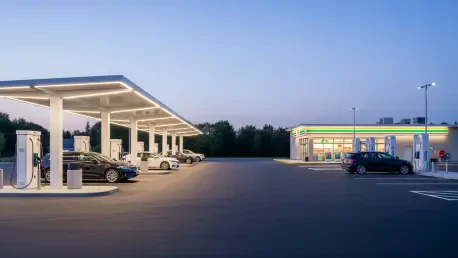
Modern convenience stores are no longer just places to buy cigarettes and gasoline; they are rapidly evolving into multi-modal energy hubs designed to accommodate a diverse range of vehicle types. This transition is fueled by a fundamental change in consumer behavior, where the dwell time required for a charge is being monetized through enhanced food service and retail offerings. By providing high-quality amenities, these locations are successfully bridging the gap between the five-minute splash-and-go experience and the longer duration needed for a high-capacity battery top-off.
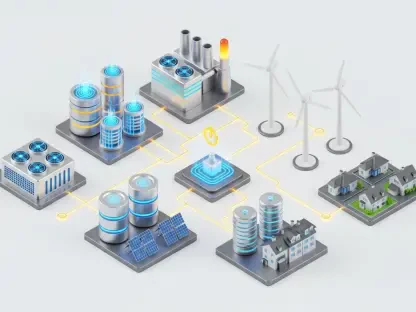
The consolidation of the market has also simplified the landscape for developers and investors. With electricity winning the race against other alternative fuels, resources are now being funneled almost exclusively into expanding the plug-in network. This clarity has allowed for a more aggressive rollout of infrastructure, ensuring that the charging experience becomes as ubiquitous and predictable as the traditional fueling process it seeks to complement or eventually replace.
Market Projections and the Closing Infrastructure Gap
Despite a slight cooling in annual sales growth during the past year, the trajectory of infrastructure deployment remains resilient. The current expansion rate suggests that the count of charging sites could reasonably reach parity with gas stations within the next decade. This growth is underpinned by a surge in DC fast charger installations, which serve as the most critical indicator of a maturing market. These high-speed units are essential for long-distance travel, providing the confidence necessary for consumers to transition away from internal combustion engines.
Investment performance in the sector remains robust as public-private partnerships continue to de-risk the initial capital expenditures required for site development. Analysts observe that even as vehicle sales fluctuate, the commitment to building the “electric highway” persists. This forward-looking investment strategy ensures that the infrastructure gap closes ahead of the projected surge in heavy-duty and fleet electrification, which will require even greater density and power delivery.
Navigating the Nozzle Gap and Geographic Disparities
The comparison between site counts, while impressive, masks a significant disparity in actual fueling capacity known as the nozzle gap. A typical gas station hosts nearly ten fueling positions, totaling roughly 1.47 million nozzles nationwide. In contrast, the current network of 236,407 public charging ports, of which only a fraction are fast-chargers, means that gasoline still offers six times the fueling capacity of the electric grid. Closing this specific gap requires more than just more locations; it requires a massive increase in the number of plugs per site.
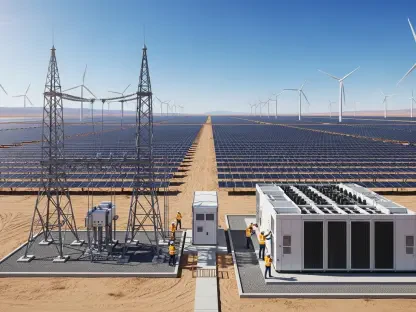
Geographic inequality remains a stubborn hurdle in the quest for national infrastructure parity. California continues to host nearly a quarter of all charging locations, creating a stark contrast with rural states like North Dakota and Wyoming, where charging deserts still persist. These regions face unique challenges, including lower population density and limited high-voltage power lines. Resolving these disparities is essential for ensuring that the benefits of electric mobility are accessible to all Americans, regardless of their zip code.
Legislative Frameworks and the Evolution of Charging Standards
Government intervention has played a pivotal role in accelerating the deployment of chargers through targeted subsidies and grants. These federal and state initiatives are designed to subsidize the high cost of grid upgrades, which often represent the largest expense in site development. By lowering the barrier to entry, these programs have encouraged traditional retailers to take the leap into electrification earlier than market forces alone might have dictated.
Simultaneously, the industry is moving toward a universal connector standard to eliminate consumer confusion and ensure hardware reliability. Standardizing the physical interface between the vehicle and the charger is a critical step in making the user experience seamless. Furthermore, streamlined regulatory compliance and updated building codes are beginning to reduce the “soft costs” of installation, allowing for faster deployment of high-speed chargers across diverse jurisdictions.
The Decades-Long Transition: Future Growth and Innovation
The frontier of charging technology is currently focused on achieving ultra-fast power delivery that mimics the speed of a traditional gas pump. Innovations in liquid-cooled cables and battery chemistry are pushing the limits of how much energy a vehicle can take on in a few minutes. As these technologies mature, the psychological barrier to EV adoption—range and charging anxiety—will likely dissipate, paving the way for the next hundred million drivers to make the switch.
Managing the coexistence of 290 million internal combustion engines with an expanding electric fleet will define the next several decades of energy policy. This transition period requires a strategic balance, maintaining the existing petroleum infrastructure while scaling the grid to meet new demands. Future fueling sites will likely leverage autonomous technology and smart-grid integration, allowing vehicles to charge themselves during off-peak hours and even feed power back into the grid during times of high demand.
Synthesizing the Future of the American Fueling Experience
The findings of this analysis highlighted the strategic necessity of integrating charging infrastructure into the existing convenience store network to maximize retail synergy. It was determined that while the site count reached a significant milestone, the massive capacity difference between gasoline nozzles and electric ports necessitated a continued, long-term focus on scaling individual site power. Stakeholders recognized that the transition would not be an overnight replacement but a multi-decade evolution of the American fueling landscape. Investors were encouraged to prioritize locations with high grid capacity and retail potential, ensuring that the next generation of fueling hubs remained both profitable and accessible for a diverse fleet of vehicles.