
The intricate dance of balancing energy supply and demand across vast electrical grids has become one of the defining technological challenges of our time, a problem made exponentially more complex by the intermittent nature of renewable energy sources. Into this high-stakes environment has emerged Ecolyfe, an innovative startup born from a student project at Georgia Tech that is now poised to redefine how utilities manage their power systems. Founded in late 2024 by Quentin Carter and Greg Steckel, the company initially set its sights on helping individual households trim their energy consumption. However, a strategic reorientation in early 2025 shifted its mission from a consumer-facing model to a powerful B2B platform, targeting the very heart of the energy ecosystem: electric utilities. This crucial pivot proved to be a masterstroke, enabling Ecolyfe to sidestep the notoriously protracted sales cycles common in the industry and forge significant partnerships with national power operators, accelerating its impact on a global scale.
A Strategic Pivot to Utility-Scale Solutions
The decision to transition from a consumer-focused application to a utility-grade platform was a direct response to the immense, untapped potential for optimization at the grid level. While household energy savings are valuable, the founders recognized that true systemic change required collaboration with the entities controlling the flow of power. By engaging directly with electric utilities, Ecolyfe could implement its solutions across entire regions, affecting millions of customers at once and achieving a far greater impact on grid stability and sustainability. This enterprise-level approach allowed the company to bypass the slower, more fragmented process of individual consumer adoption. Instead of convincing thousands of homeowners one by one, the team focused on demonstrating clear, quantifiable value to a handful of major power operators. This strategy not only shortened their path to market but also positioned Ecolyfe as a critical partner for utilities navigating the complex transition to a decentralized and renewable-heavy energy future.
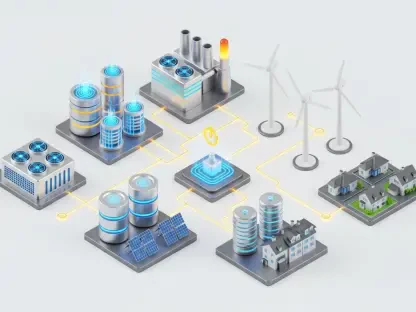
At the core of Ecolyfe’s transformative potential is its sophisticated AI-powered software platform, engineered to give utilities an unprecedented level of predictive control over their networks. The system leverages advanced machine learning algorithms to generate highly accurate energy demand forecasts, enabling operators to anticipate consumption patterns with remarkable precision. This predictive capability is crucial for balancing power flows in real-time and, most importantly, for seamlessly integrating variable renewable energy sources like solar and wind into the grid. By precisely quantifying both supply and demand, the platform helps utilities maintain grid stability, prevent blackouts, and reduce their reliance on expensive and carbon-intensive peaker plants. The financial implications are substantial; early pilot programs with partner utilities have indicated the potential for annual savings ranging from $10 million to $30 million, demonstrating a compelling return on investment that aligns economic incentives with critical sustainability goals.
Global Impact and Future Ambitions
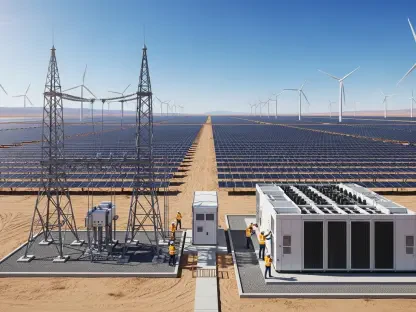
A powerful demonstration of Ecolyfe’s real-world impact is currently unfolding in The Bahamas, where the platform is being deployed to modernize the nation’s island grids and accelerate its transition to clean energy. The archipelago has long been heavily dependent on expensive imported diesel fuel to power its communities, a reliance that creates both economic vulnerability and a significant carbon footprint. Ecolyfe’s technology addresses this challenge head-on by providing the critical forecasting tools needed to manage a higher penetration of renewables. The AI models analyze vast datasets, including weather patterns and historical consumption, to determine the optimal mix of solar and other clean energy sources that can be safely integrated without destabilizing the grid. This data-driven approach not only lowers operating costs by reducing the amount of purchased fuel but also significantly enhances the region’s energy independence and resilience, showcasing the dual economic and climate benefits of advanced grid management.
With its foundational technology proven in diverse environments, Ecolyfe established a global initiative designed to make AI-driven energy management accessible to regions historically underserved by technological innovation. Recognizing that many developing nations grapple with legacy infrastructure and significant cost constraints, the company launched a program centered on low-energy AI development. This forward-thinking effort was built on three core pillars: creating highly efficient software that requires minimal computational power, promoting the use of low-power computing hardware, and funding targeted research into sustainable energy systems. The initiative was structured to break down the economic and technical barriers that have often prevented widespread adoption of smart-grid technologies. By championing a more inclusive and resource-conscious approach to grid modernization, Ecolyfe laid the groundwork for a future where sustainable and intelligent energy management became the global standard, not a luxury reserved for the world’s wealthiest nations.