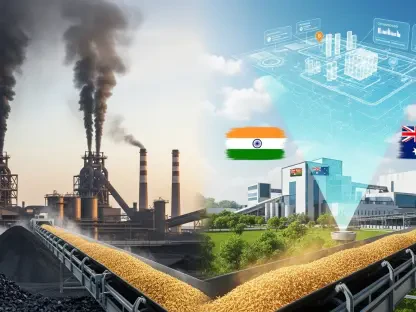

The massive industrial infrastructure that defines the American skyline is currently undergoing a structural transformation that seeks to decouple economic prosperity from its historically heavy carbon intensity. As the dual engines of the American economy, the industrial and manufacturing sectors provide the essential materials for modern life while sustaining millions of jobs. However, this economic strength comes with a heavy environmental footprint; as of 2022, industry accounted for approximately 30% of U.S. greenhouse gas emissions. Projections suggest that by 2035, the industrial sector could become the nation’s largest emitter, surpassing both transportation and power generation. This market analysis explores whether the U.S. can reconcile its industrial ambitions with its net-zero goals, examining the technological hurdles of heavy manufacturing and the volatile legislative environment that currently dictates the pace of progress. By analyzing the shift from high-heat fossil fuel dependence to emerging green technologies, one can better understand the roadmap for a sustainable industrial future.
The complexity of industrial emissions stems from their diverse origins, which range from the combustion of fuel for heat to the chemical byproducts of production. Most emissions result from the combustion of fossil fuels, utilized both directly to generate the intense heat required for chemical reactions and indirectly to produce the electricity that powers heavy machinery. Beyond fuel combustion, the sector is characterized by process emissions—carbon dioxide released as an inherent byproduct of chemical transformations, such as those occurring during cement production—and fugitive emissions, such as leaks from pressurized equipment. While the globalized nature of trade means that the transportation of industrial goods adds significantly to the carbon footprint of the economy, these specific outputs are traditionally categorized under the transportation sector rather than industry itself. This distinction is vital for market players to understand, as it defines the regulatory boundaries and technological focus areas for the next decade of decarbonization.
Navigating the Complex Path Toward Industrial Decarbonization
The current market landscape is defined by a race to modernize facilities that were built during an era where carbon output was an ignored externality. Industrial decarbonization is not a singular event but a series of interconnected shifts across supply chains, energy inputs, and waste management systems. For manufacturing firms, the challenge lies in maintaining global competitiveness while absorbing the costs of high-efficiency retrofits and alternative fuel sourcing. This transition requires a massive influx of capital into sectors that have traditionally operated on thin margins, such as textile production and basic chemical synthesis. As a result, the pace of change is uneven, with high-value technology sectors moving faster than the heavy industrial core that provides their raw materials.
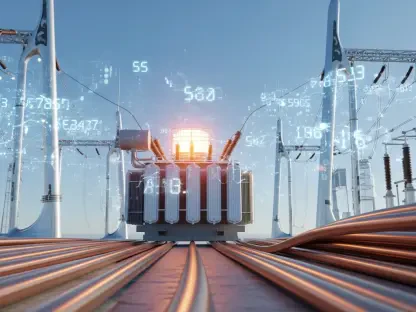
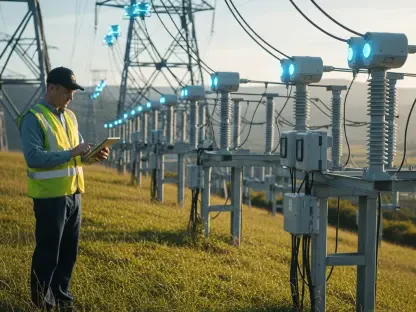
Market volatility has been exacerbated by the realization that the electrical grid is not yet ready to support the full-scale electrification of heat-intensive processes. While the technology for industrial heat pumps and electric arc furnaces exists, the sheer volume of clean energy required to replace current natural gas consumption is staggering. Furthermore, the industrial sector must compete with the transportation and residential sectors for the limited supply of renewable electricity. This competition has led to a renewed interest in carbon capture and storage as a bridge technology, allowing facilities to continue using fossil fuels in the short term while they wait for the infrastructure required for total electrification or a shift to green hydrogen.
Historical Context and the Industrial Emissions Landscape
For over a century, U.S. manufacturing has been synonymous with the combustion of fossil fuels to drive high-intensity chemical reactions and power heavy machinery. Historically, industrial growth and carbon output were inextricably linked, with the evolution of the sector defined by a “take-make-waste” linear model. This model prioritized throughput and volume over resource efficiency, leading to an accumulated legacy of carbon-intensive infrastructure. Beyond the direct burning of coal and natural gas, the sector is characterized by process emissions—CO2 released as an inherent chemical byproduct, such as during the calcination of limestone for cement. Understanding this history is vital because the existing infrastructure was never designed for carbon neutrality, making the current pivot toward sustainability a monumental engineering and economic task.
The legacy of the twentieth-century industrial model persists in the geographical and technical design of current manufacturing hubs. Most industrial facilities are situated near cheap fossil fuel sources or deep-water ports designed to receive bulk shipments of petroleum and coal. Retrofitting these hubs requires more than just new machinery; it involves rebuilding the connective tissue of the American economy, from pipelines to power lines. Today’s decarbonization efforts are not merely about upgrading equipment; they represent a fundamental reimagining of a century-old industrial foundation that must now pivot toward resource efficiency and renewable inputs to remain globally competitive in an increasingly carbon-conscious world market.
The move toward decarbonization also forces a reckoning with the concept of industrial growth itself. Historically, an increase in industrial output meant a proportional increase in emissions, a correlation that only began to decouple in the early twenty-first century due to efficiency gains. However, the deep cuts required for net-zero goals demand a total break from this trend. This requires the adoption of “green chemistry” and circular economic principles that treat carbon not as an inevitable waste product but as a resource to be managed or a cost to be eliminated. This historical pivot is as much about shifting the mindset of industrial management as it is about the physical installation of carbon scrubbers or solar arrays.
The Dual Role of Manufacturing in the Green Transition
The Paradox of Carbon-Intensive Green Solutions
A critical aspect of the net-zero debate is the dual nature of manufacturing: the sector is a primary polluter but also the sole producer of the tools needed for a climate transition. Technologies such as solar panels, wind turbines, high-capacity batteries, and electric vehicles are themselves products of carbon-intensive industrial processes. For example, the production of a single electric vehicle battery requires the mining and processing of minerals like lithium, cobalt, and nickel, all of which are energy-intensive activities. To resolve this paradox, the industry must internalize its own green revolution, ensuring that the manufacturing of climate solutions does not result in a net increase in global emissions during the production phase.
This internal transformation involves a multi-faceted approach, including the deployment of industrial heat pumps for low-to-medium thermal needs and the adoption of advanced water treatment technologies to reduce the environmental impact of manufacturing sites. The challenge lies in ensuring that the production of green goods is powered by clean energy from the start. Many manufacturing firms are now investing in on-site renewable generation to hedge against grid volatility and to lower the carbon intensity of their products. This trend is particularly visible in the semiconductor and electronics sectors, where consumer demand for “green tech” is driving manufacturers to seek out third-party certifications for carbon neutrality.
Moreover, the paradox extends to the materials used in the construction of renewable energy infrastructure. A wind turbine requires massive amounts of steel for its tower and fiberglass for its blades, both of which are currently produced using high-heat processes that rely on fossil fuels. To truly green the transition, the market must find ways to produce “green steel” and “green cement” that can then be used to build the next generation of renewable energy sites. This creates a circular demand loop where the greening of heavy industry directly supports the expansion of the clean energy sector, creating a synergistic relationship that could accelerate the path to net zero if properly managed.
Decarbonizing the “Hard-to-Abate” Heavy Industry Core
Heavy industry, including the production of steel, cement, and chemicals, remains the most significant hurdle due to extreme heat requirements and specific chemical feedstocks. For instance, the chemical industry provides components for 96% of all manufactured goods, yet it is a massive energy consumer. Approximately half of the fossil fuels used in the chemical sector serve as feedstock—the raw material for the product itself—rather than being burned for energy. This means that even if every chemical plant were powered by 100% renewable electricity, the carbon embedded in the materials themselves would still pose a significant challenge. Addressing this requires a move toward bio-based feedstocks and carbon capture technologies that can sequester emissions during the synthesis process.
Similarly, cement production is responsible for over a third of building material emissions, largely due to the chemical transformation of limestone into clinker. To address these hard-to-abate sectors, the industry is pivoting toward innovations like Limestone Calcined Clay Cement, which can cut carbon intensity by 40%. In the steel sector, the use of electric arc furnaces is becoming the standard, replacing traditional coal-fired blast furnaces. However, these shifts represent a necessary departure from traditional methods that require a robust, clean electricity grid to be truly effective. Without a reliable supply of renewable power, the shift to electric furnaces merely moves the emissions from the factory gate to the power plant.
The economic reality of these heavy industries is that they involve massive capital expenditures and long asset lifespans. A blast furnace or a cement kiln may have an operational life of forty years, meaning that investment decisions made today will lock in emissions profiles for decades. This “carbon lock-in” is one of the greatest risks to the net-zero timeline. To mitigate this, some firms are exploring modular designs that allow for the gradual replacement of fossil fuel components with electric or hydrogen-powered alternatives as the technology matures. This flexible approach to capital investment is becoming a key differentiator for companies looking to manage long-term regulatory and environmental risks.
Circularity and the Challenge of Consumer Goods
Beyond heavy materials, light industries such as electronics, textiles, and plastics face unique complexities related to waste and product lifecycles. Semiconductor manufacturing, while essential for energy-efficient smart tech, carries a massive carbon footprint and generates toxic e-waste. Meanwhile, the fashion industry remains heavily dependent on petroleum-based synthetic fibers, with a staggering 99% of clothing currently failing to be recycled. These sectors are characterized by high volume and rapid turnover, making the traditional linear model particularly damaging. Addressing these issues requires a shift toward a circular economy model, where industrial symbiosis allows the waste of one facility to become the raw material for another.
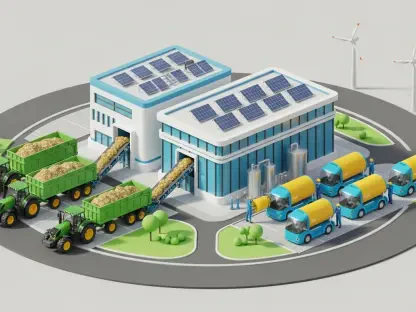
Industrial symbiosis is gaining traction in localized industrial hubs where different companies can share resources. For example, excess heat from a data center can be captured and used to provide thermal energy for a nearby food processing plant. Similarly, chemical byproducts from a pharmaceutical facility can be repurposed as inputs for a plastic recycling operation. This model reduces the need for virgin materials and lowers the overall energy demand of the industrial cluster. However, implementing such systems requires a high degree of coordination and transparency between different firms, which can be a barrier in highly competitive markets.
Overcoming misconceptions that recycling is a sufficient fix is crucial for the future of consumer goods manufacturing. True sustainability demands designing products for longevity and high-value molecular recovery rather than just downcycling materials into lower-quality goods. For the plastics industry, this means moving toward “chemical recycling” which breaks plastics down into their original monomers, allowing for the creation of new plastic that is indistinguishable from virgin material. This technology is still in the early stages of scaling, but it represents a promising path for decoupling plastic production from petroleum extraction.
Emerging Trends and the Impact of Shifting Regulations
The trajectory of U.S. industrial decarbonization has been significantly influenced by a volatile policy landscape that has seen rapid shifts in incentives and regulatory requirements. Initially, legislation like the Inflation Reduction Act and the Infrastructure Investment and Jobs Act catalyzed billions in private investment, leading to over 120 new solar manufacturing facilities and a surge in domestic battery production. These laws provided the stability and financial backing needed for companies to take the risk of building new, clean facilities. However, the introduction of the One Big Beautiful Bill Act in 2025 shifted the momentum by weakening federal incentives and complicating the regulatory environment for renewable energy projects.
This regulatory pivot resulted in the cancellation of 266 gigawatts of proposed clean energy capacity, illustrating how policy uncertainty can stifle technological adoption. For industrial firms, these shifts create a challenging environment for long-term planning. When federal incentives for carbon capture or green hydrogen are reduced, the economic viability of these projects often evaporates, leading to delays or cancellations of major decarbonization initiatives. Despite these shifts, emerging innovations like green hydrogen—produced via electrolysis—and carbon capture and storage continue to offer a speculative but promising path for industries that cannot be easily electrified. These technologies are increasingly seen as the final pieces of the puzzle for reaching net zero in the most difficult sectors.
In response to federal volatility, state-level leadership has become increasingly important. States with their own climate goals and incentive programs are becoming magnets for industrial investment. These regions are developing “clean energy hubs” where state support compensates for the lack of federal consistency. Furthermore, international pressure is playing a role, as American manufacturers that export to Europe or other regions with strict carbon border adjustment mechanisms must lower their emissions to remain competitive. This global market reality acts as a floor for decarbonization efforts, ensuring that even in a weakened domestic regulatory environment, the move toward net zero continues for firms with international reach.
The evolution of green hydrogen is particularly noteworthy as a trend to watch in the coming years. While still more expensive than natural gas, the cost of electrolyzers is falling rapidly, and several large-scale pilot projects are currently under construction. If the infrastructure for hydrogen transport and storage can be built out, it would provide a carbon-free fuel source for high-heat industrial applications that are currently unreachable by electricity. This would be a game-changer for the steel and chemical industries, potentially allowing them to reach net-zero goals without the need for massive carbon capture systems.
Strategic Frameworks for an Industrial Rebirth
To navigate this transition, businesses and policymakers must adopt a holistic strategy that prioritizes infrastructure and deployment over simple research and development. Key takeaways include the necessity of investing in dedicated hydrogen pipelines and expanded transmission lines to support the move away from fossil fuels. For professionals in the sector, the focus should shift toward industrial symbiosis, where excess heat or chemical byproducts are repurposed within localized industrial hubs. This requires a rethink of facility siting, moving away from isolated plants toward integrated industrial parks that are designed for resource efficiency from the ground up.
Furthermore, state-level leadership is becoming the primary driver of progress as federal policy fluctuates. Companies that proactively integrate high-efficiency technology, such as industrial heat pumps, will not only reduce their carbon footprint but also hedge against future regulatory costs and energy price volatility. Strategic frameworks must also include a focus on workforce development. The transition to a green industrial sector requires new skills in areas like hydrogen safety, carbon capture monitoring, and advanced automation. Investing in the training of the next generation of industrial workers is just as important as investing in the machinery itself.
Another critical component of this strategic framework is the development of robust supply chains for critical minerals and materials. As the demand for clean technologies grows, the industry must ensure a steady and sustainable supply of the inputs required for solar panels, batteries, and electric motors. This may involve a combination of increased domestic mining, improved recycling of existing materials, and the development of synthetic alternatives. By securing these supply chains, the U.S. can protect its manufacturing sector from global price shocks and geopolitical tensions, ensuring a more stable path toward a net-zero future.
Finally, firms must improve their environmental, social, and governance reporting to provide transparency to investors and consumers. As the market for green industrial products grows, the ability to prove a low carbon footprint will become a significant competitive advantage. This involves not only measuring direct emissions but also accounting for the emissions of suppliers and the end-of-life impact of products. Companies that lead in this area will be better positioned to access green capital and to win contracts from companies with their own net-zero commitments.
Securing a Sustainable Industrial Future
The analysis of the American industrial landscape revealed that the journey toward carbon neutrality was shaped by a complex interplay of technological innovation and legislative instability. While the industrial sector remained a significant contributor to national emissions, the development of green hydrogen, carbon capture, and circular economy models provided a tangible path for even the most difficult-to-abate sub-sectors. It was observed that the initial momentum generated by early infrastructure acts faced significant headwinds following the regulatory changes of 2025, yet the private sector and state governments often stepped in to maintain the trajectory toward cleaner production methods.
Market participants discovered that the most successful decarbonization strategies were those that integrated multiple technological solutions while maintaining flexibility in the face of policy shifts. The shift toward electric arc furnaces in steel production and the adoption of low-carbon cement alternatives proved that heavy industry could modernize without sacrificing operational efficiency. Furthermore, the growth of industrial symbiosis clusters demonstrated that resource efficiency could be a powerful driver of cost savings as well as environmental benefits. These developments suggested that the transition was as much about regional economic cooperation as it was about individual facility upgrades.
In the final assessment, it was clear that the revitalization of the American industrial heartland depended on its ability to lead the global green transition rather than merely reacting to it. By prioritizing the deployment of clean energy infrastructure and securing supply chains for critical minerals, the industry built a foundation for long-term resilience. The proactive integration of high-efficiency equipment and the focus on molecular-level recycling helped manufacturers navigate a world where carbon was increasingly viewed as a financial liability. Ultimately, the alignment of economic growth with environmental stewardship ensured that the U.S. manufacturing sector remained a source of national strength in a carbon-constrained global economy.