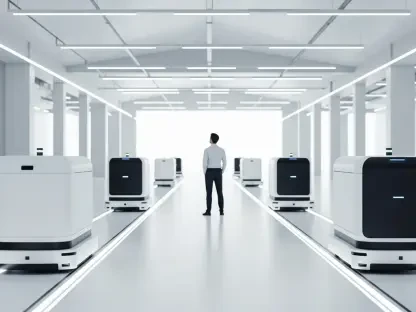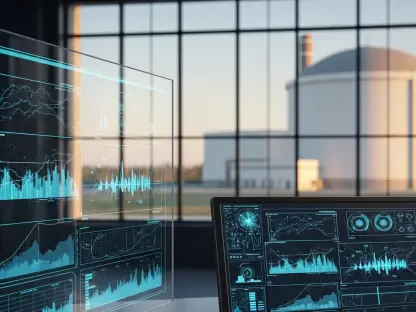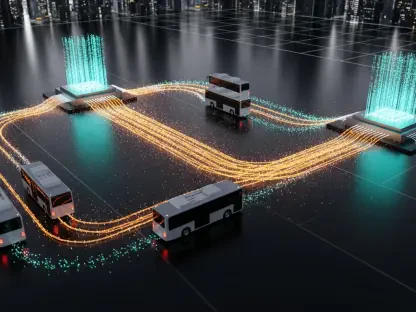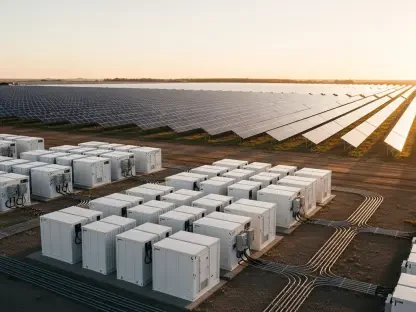

The rapid proliferation of power-hungry data centers and the wholesale transition to electric transport have pushed our aging electrical infrastructure to a precarious breaking point that traditional hardware upgrades can no longer fix. While the industry previously viewed the grid as a static pipe for electrons, the rise of AI-driven orchestration has fundamentally redefined it as a dynamic, software-defined ecosystem. This shift is not merely about adding “smart” features to old wires; it represents a total overhaul of how energy is balanced, traded, and consumed at the edge of the network. By shifting the burden of stability from massive, centralized power plants to millions of coordinated domestic and industrial devices, this technology offers a lifeline to a system currently struggling under the weight of the electrification era.
The Convergence of Intelligence and Energy Infrastructure
The fundamental problem with the traditional grid lies in its inherent rigidity, where supply must precisely mirror demand in real-time or risk catastrophic failure. As we integrate more volatile renewable sources and heavy loads like electric vehicle fleets, the margin for error has narrowed significantly. AI-driven orchestration addresses this by inserting a sophisticated layer of decentralized intelligence between the utility and the end-user. This software layer transforms passive energy consumers into active participants that can shed load or inject power back into the system exactly when the grid needs it most.
Unlike previous iterations of demand-response programs that relied on blunt, manual interventions, modern orchestration utilizes predictive algorithms to anticipate stress before it occurs. This evolution moves the needle from simple visibility—knowing how much power is being used—to granular, automated control. By managing energy at the edge of the network, utilities can avoid the multibillion-dollar costs of building new “peaker” plants, which often sit idle for most of the year. The transition signifies a move toward a more organic, responsive network that behaves more like the internet than a 20th-century utility.
Core Technical Components of Modern Orchestration Platforms
Device-Level Precision and Granular Intelligence
To achieve true grid stability, orchestration platforms like the Optima® system have abandoned the old model of monitoring at the utility meter level in favor of sub-second, device-level tracking. This high-fidelity approach allows the system to communicate directly with individual assets such as industrial compressors, HVAC units, and residential battery storage. By understanding the specific operational limits of each piece of hardware, the AI can make micro-adjustments that balance the grid without causing wear and tear on the machinery or disrupting the user’s core operations.
This level of granularity is the primary differentiator between true orchestration and basic energy management. When a platform can see and control thousands of individual components with such precision, it creates a “digital twin” of the energy environment. This allows for hyper-accurate forecasting and the ability to execute complex “load shifting” strategies. For example, the system can pre-cool a commercial building by a few degrees when energy is cheap and abundant, effectively using the thermal mass of the structure as a giant, invisible battery.
Generative AI and the Omni Guide™ Advisory Layer
The integration of Generative AI (GenAI) into energy systems introduces an advisory layer that can synthesize vast amounts of disparate data—weather patterns, real-time pricing, and device health—into actionable strategies. Layers like Omni Guide™ act as a cognitive bridge, allowing human operators to interact with complex grid data through intuitive interfaces while the AI handles the heavy lifting of optimization. This technology does not just report problems; it predicts them and suggests the most cost-effective path toward resolution, making “intelligent electrification” a reality for facility managers who lack specialized energy expertise.
What makes this implementation unique is its ability to learn from the specific behavioral patterns of a facility or neighborhood. Over time, the GenAI layer identifies subtle inefficiencies that traditional rule-based systems would miss. This creates a feedback loop where the system becomes more efficient the longer it is deployed. By automating the execution of these strategies, the platform ensures that energy optimization happens 24/7, reacting to market fluctuations and grid signals in milliseconds—a feat impossible for human-led control rooms.
Vendor-Agnostic Interoperability and Open APIs
One of the greatest hurdles in grid modernization has been the “silo effect,” where different hardware manufacturers use proprietary languages that refuse to talk to one another. Modern orchestration solves this through an open-API, vendor-agnostic architecture that acts as a universal translator. This allows a facility to manage a Tesla battery, a Honeywell thermostat, and a Siemens industrial motor under a single, unified software umbrella. This interoperability is crucial for scaling green technology, as it prevents “hardware lock-in” and allows for the gradual retrofitting of legacy infrastructure.
This open approach also democratizes grid participation. Smaller businesses and residential communities can bundle their diverse assets into a single “virtual” resource that is large enough to trade on wholesale energy markets. By removing the technical barriers to entry, orchestration platforms enable a much wider range of stakeholders to profit from providing flexibility to the grid. This shift from closed systems to open ecosystems is a prerequisite for the decentralized energy markets that are currently emerging globally.
Emerging Trends in Software-Defined Power Networks
The energy sector is currently undergoing a rapid pivot toward “software-first” solutions as a primary remedy for physical infrastructure bottlenecks. Instead of waiting years for new transmission lines to be permitted and built, operators are turning to software to squeeze more capacity out of existing copper. This trend is giving rise to “orchestrated smart assets,” where the value of a piece of equipment is increasingly defined by its connectivity and its ability to respond to external signals rather than just its mechanical output.
Moreover, there is a visible move toward localized energy autonomy. Microgrids and community energy schemes are no longer niche projects; they are becoming essential components of urban planning. These software-defined networks allow local clusters to operate independently during wider grid outages, providing a level of resilience that centralized systems cannot match. As mobile-integrated energy apps become more sophisticated, the “prosumer”—the consumer who also produces and manages energy—is becoming a central figure in the modern economy.
Real-World Applications and Sector Impact
The deployment of grid orchestration is already yielding measurable results across several high-stakes environments. Virtual Power Plants (VPPs) are perhaps the most prominent example, where thousands of distributed batteries and flexible loads are aggregated to perform the functions of a traditional power station. This allows utilities to manage peak demand periods with zero emissions and lower overhead. In the commercial and industrial sectors, these platforms are being used to “shave” peak loads, which can account for up to 50% of a company’s utility bill, leading to immediate and significant operational savings.
In the utility space, AI orchestration has become a vital tool for dynamic load control. During extreme weather events, when the grid is pushed to its absolute limit, these systems can automatically throttle non-essential loads across a city to prevent a total blackout. This capability is far more sophisticated and less disruptive than traditional “rolling blackouts,” as it surgically removes only the specific amount of load required to maintain balance. The economic impact is profound, as it reduces the need for expensive infrastructure investments while simultaneously lowering the cost of energy for the end-user.
Technical Hurdles and Implementation Challenges
Despite the clear benefits, the path to a fully orchestrated grid is fraught with technical and regulatory obstacles. Cybersecurity remains a top concern; as we connect more critical infrastructure to the cloud, the “attack surface” for bad actors expands exponentially. Protecting a mesh of millions of connected devices requires a level of encryption and constant monitoring that is both technically demanding and expensive to maintain. Furthermore, the sheer complexity of integrating 40-year-old industrial controllers with modern cloud-based AI can lead to significant deployment delays.
Regulatory frameworks are also struggling to keep pace with the speed of technological change. In many regions, the rules governing energy markets still favor large, centralized power plants, making it difficult for distributed asset owners to be fairly compensated for the flexibility they provide. There is also the challenge of data privacy, as granular device-level monitoring can reveal intimate details about a household’s or a business’s daily routines. Overcoming these hurdles will require a concerted effort from both policymakers and technologists to build trust and create a level playing field for decentralized energy.
Future Outlook: The Rise of the Global EnergyNet
The trajectory of this technology leads toward the “Global EnergyNet”—a vision where the world’s electrical grids are replaced by a perpetually balanced, self-healing mesh of microgrids and intelligent loads. As the market for distributed electric devices is expected to grow significantly between 2026 and 2030, the reliance on AI to manage this complexity will become absolute. We are likely to see the rise of edge computing, where AI decision-making happens directly on the device rather than in a distant cloud, ensuring sub-second response times even if communication links are compromised.
This future state will likely see energy trading become as seamless and automated as high-frequency financial trading. Buildings will not just use power; they will act as nodes in a global network, buying and selling energy and flexibility in real-time based on local conditions and global market signals. This decentralization will eventually make the concept of a “grid outage” obsolete, as the network will be able to reroute power and balance itself dynamically at every level.
Summary of Grid Orchestration Advancements
AI-driven grid orchestration transitioned from a theoretical concept to a critical infrastructure requirement. By synthesizing device-level precision with the cognitive power of generative AI, these platforms enabled a more resilient and efficient energy network that bypassed the slow pace of physical upgrades. The deployment of vendor-agnostic systems allowed for the seamless integration of diverse hardware, which in turn fostered the growth of virtual power plants and empowered the individual consumer.
To capitalize on these advancements, the next logical step involved a massive push for regulatory standardization and the adoption of unified communication protocols across the industry. Stakeholders focused on creating “plug-and-play” environments where any new electric asset could automatically register and participate in grid balancing services. This shift required a fundamental rethink of energy policy to prioritize grid-edge intelligence over traditional generation. As the global energy network continues to evolve, the integration of autonomous, local decision-making will be the final piece of the puzzle in achieving a truly sustainable and carbon-neutral future.